2 hrs ago
Daayra Challenges India’s Ideas of Justice, Procedure and Police Power
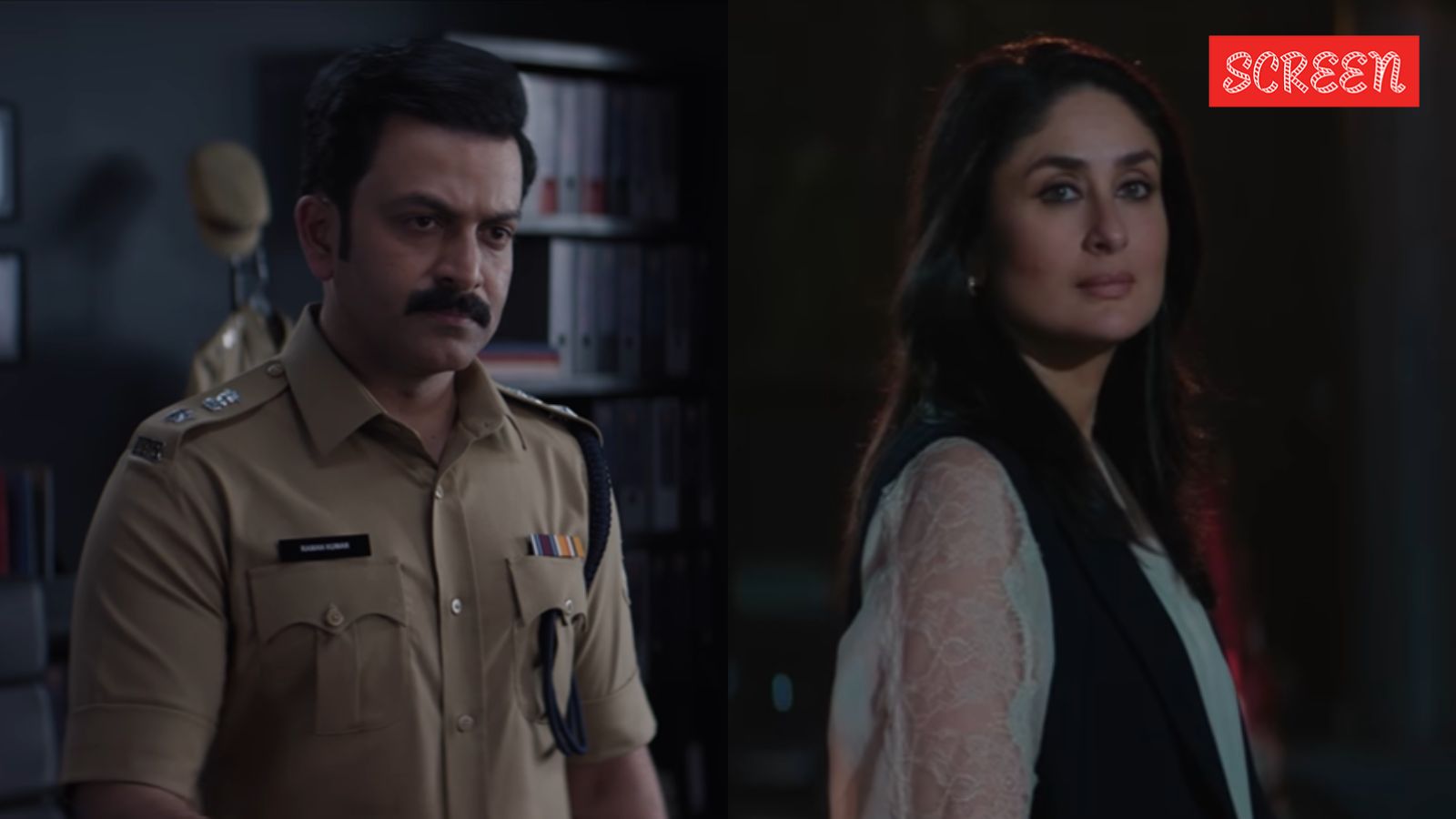
Daayra is a film about how police and courts handle serious crimes against women.
Two police officers disagree about whether suspects should be punished quickly or handled through the courts.
A woman’s family first struggles to get help when she goes missing.
Police procedures and arguments about jurisdiction slow down the response.
The film shows that the woman’s family wants to find her, not just receive paperwork.
It also shows people celebrating after police kill the suspects.
The story asks whether that kind of quick punishment is really justice.
It explains that courts can feel slow, but they are meant to establish guilt fairly.
The film says the system should listen and respond urgently before tragedy happens.

Meghna Gulzar’s Daayra follows two police officers divided over immediate justice and due process.
The film depicts a missing woman’s family being delayed by jurisdictional concerns and insensitive police procedures.
It recreates public celebrations after police killed four suspects in the 2019 Hyderabad rape-murder case.
Daayra questions whether encounters can deliver justice after failures allowed a crime to occur.
The film calls for reform throughout the process, from reporting and investigation to trial and punishment.
- Who
- The film centers on police officers played by Kareena Kapoor and Prithviraj Sukumaran, a missing woman and her family.
- What
- Daayra examines police procedure, encounters, court delays and the meaning of justice in crimes against women.
- Where
- The story includes a highway, police stations and a broader Indian legal and policing context.
- When
- Why
- The film aims to question whether existing laws and procedures respond quickly and humanely enough to victims and their families.
Immediate Justice
Due Process
Police encounters
Immediate Justice
Supporters may see rapid police action as necessary when courts take years and families fear punishment will come too late.
Due Process
Critics argue that encounters bypass courts, do not establish guilt through legal procedure and cannot undo the failures that preceded the crime.
Speed versus procedure
Immediate Justice
Urgent action should come before paperwork and jurisdictional disputes when a person may be in danger.
Due Process
Legal procedures are intended to protect fairness, accountability and the rule of law, even when they can be slow.
Public attention
Immediate Justice
High-profile cases can generate pressure for visible state action and national scrutiny.
Due Process
The film questions why some cases receive intense attention while many others do not receive the same response.
Key facts
- Film
- Daayra
- Director
- Meghna Gulzar
- Lead actors
- Kareena Kapoor and Prithviraj Sukumaran
- Central conflict
- Immediate police action versus rule-of-law procedures
- Referenced case
- In 2019, four suspects in a Hyderabad rape-murder case were killed by police in an alleged encounter.
- Legal provision
- Zero FIR is intended to prevent complainants from being sent between police stations because of territorial jurisdiction.
- Post-Nirbhaya reforms
- The Criminal Law (Amendment) Act, 2013 introduced offences including stalking and voyeurism and added procedural safeguards.
Quotes
Prithviraj Sukumaran’s character
A police character played by Prithviraj Sukumaran in Daayra.
“The laws changed, but the people are the same.”
 indianexpress.com
“Yeh desh ki beti nahi hai na?”
indianexpress.com
The victim’s mother
The mother of the rape-and-murder victim in the film.
“Abhi toh court-kacheri ke chakkar. Humara wakeel, unka wakeel. Abhi toh shuruaat hai.”
indianexpress.com
Sources
Related news
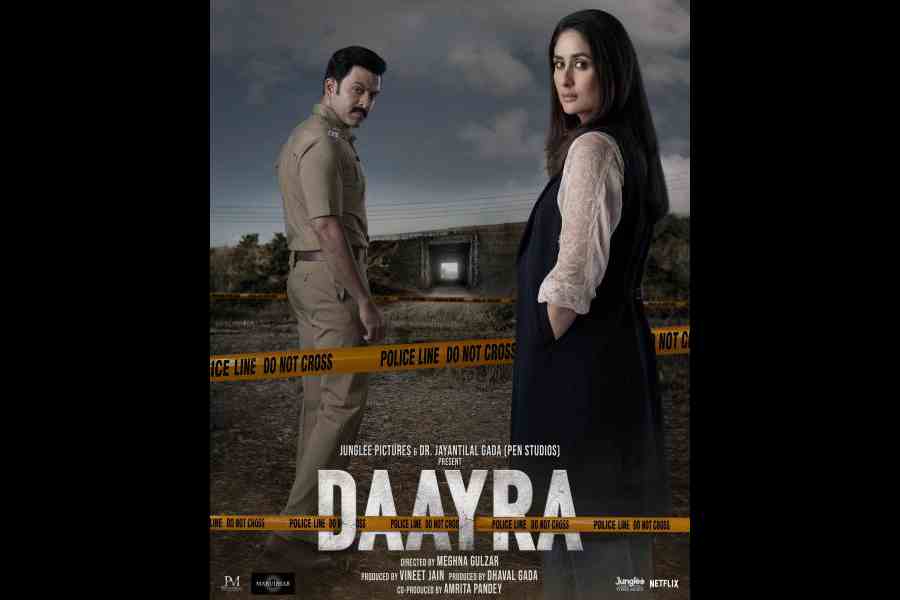
Daayra Challenges India’s Ideas of Justice and Revenge

Daayra Delivers an Unsparing, Ambiguous Reckoning With Justice

Daayra Review Examines Justice, Law and Police Accountability

Daayra Review Criticizes Timid Approach to Justice
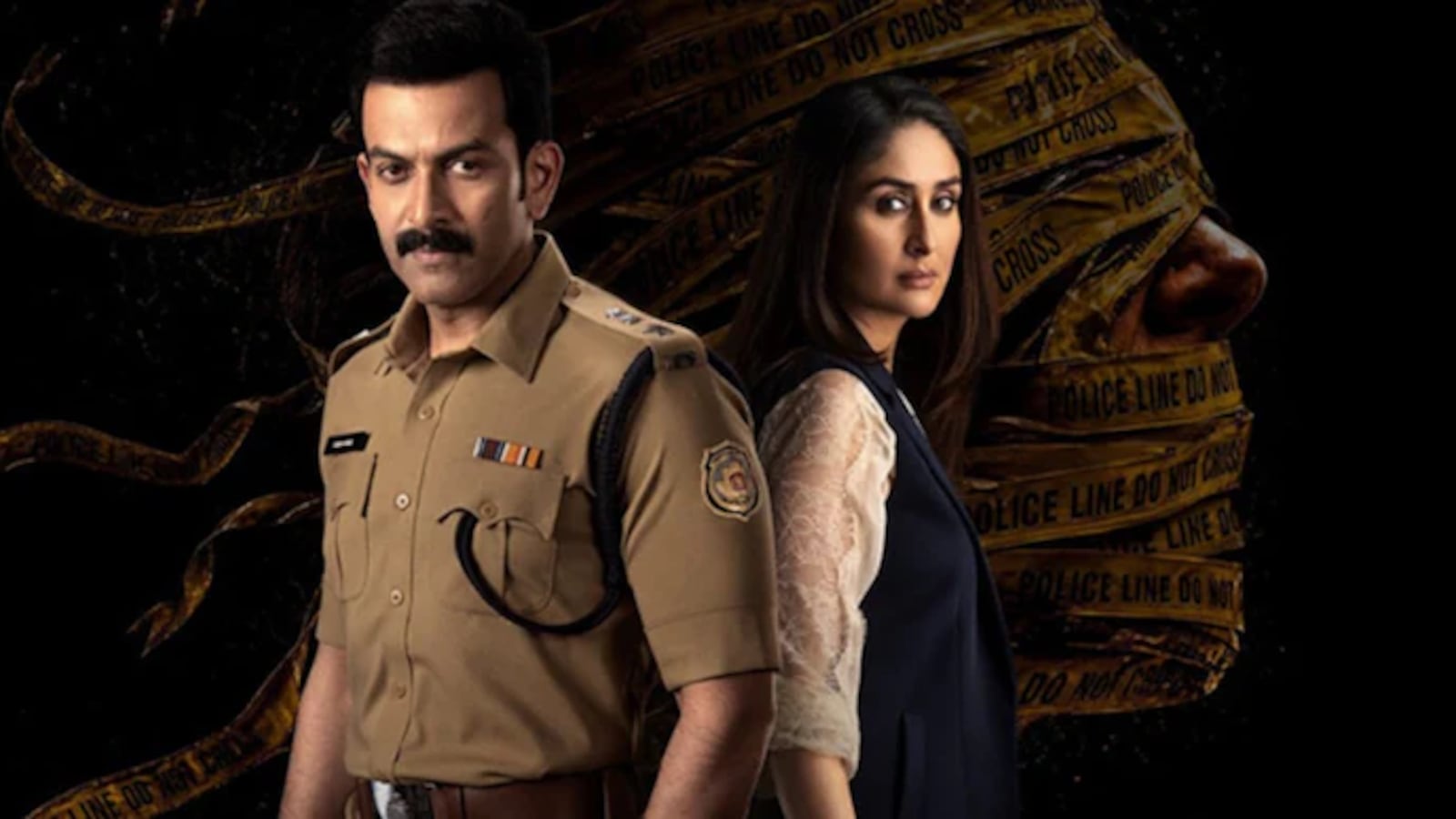
Daayra Review: Kareena Kapoor, Prithviraj Lead Meghna Gulzar’s Police Drama

Stuntwoman Praises Priyanka Chopra and Shah Rukh Khan’s Judgment
Daayra Box Office Stays Steady After Monday Drop

Kareena Kapoor Celebrates 46th Birthday With Pyjama-Themed Family Party
Resident Evil Leads Box Office as Hanuman Ansh Dominates