1 hr ago
Daayra Review Criticizes Timid Approach to Justice

Daayra is a film about a serious crime and the justice system.
The review says the movie seems to support a character named Raman.
It spends more time showing why the justice system can be unfair than explaining why legal procedures matter.
The crime is shown in a very disturbing way near the end.
The reviewer thinks this may make people feel bad for asking that the law be followed.
The film also connects its story to the 2012 Delhi rape case.
The review criticizes that connection as an attack on some human rights supporters.
Ajooni’s case remains unresolved at the end.
The reviewer believes this ending shows that the film does not want to clearly choose a position.

The review calls Meghna Gulzar’s Daayra a hesitant procedural that avoids confronting its central issues directly.
It argues that the film largely takes Raman’s side while emphasizing the justice system’s flaws.
According to the review, Daayra gives little attention to the importance of due process.
The film’s graphic depiction of the crime appears near the end, which the reviewer says shames viewers who support letting the law proceed.
The review says Ajooni’s unresolved case reflects the filmmaker’s reluctance to take a definitive position.
- Who
- Director Meghna Gulzar and the characters Raman and Ajooni are discussed in the review.
- What
- A review criticizes Daayra for taking Raman’s side and offering an unclear treatment of justice and due process.
- Where
- The review discusses Daayra in relation to Hindi cinema and the 2012 Delhi rape case in Delhi.
- When
- The review refers to the film’s ending and to the 2012 Delhi rape case.
- Why
- The reviewer argues that the film emphasizes the justice system’s unfairness while avoiding a firm position on due process.
Film’s Apparent Position
Reviewer’s Criticism
Justice system
Film’s Apparent Position
The film emphasizes the flimsiness and unfairness of the justice system, and appears to side with Raman.
Reviewer’s Criticism
The reviewer says Daayra gives too little consideration to due process and the law taking its course.
Ending and ambiguity
Film’s Apparent Position
Leaving Ajooni’s case open can be read as allowing viewers to form their own conclusions.
Reviewer’s Criticism
The reviewer argues that the vagueness reflects the filmmaker’s reluctance to commit to a clear position.
Political framing
Film’s Apparent Position
The film connects its story to the 2012 Delhi rape case and criticizes what it presents as naïve human-rights activism.
Reviewer’s Criticism
The reviewer sees this as an attack on human-rights activists and liberals, while arguing that the film’s underlying philosophy resembles that of films featuring triumphant authoritarian police.
Key facts
- Film
- Daayra
- Director
- Meghna Gulzar
- Review focus
- The film’s treatment of justice, due process and the legal system
- Character favored by the film, according to the review
- Raman
- Unresolved storyline
- Ajooni’s case remains open at the end
- Historical reference
- The 2012 Delhi rape case
- Films mentioned for comparison
- Mardaani and Simmba
Sources
Related news
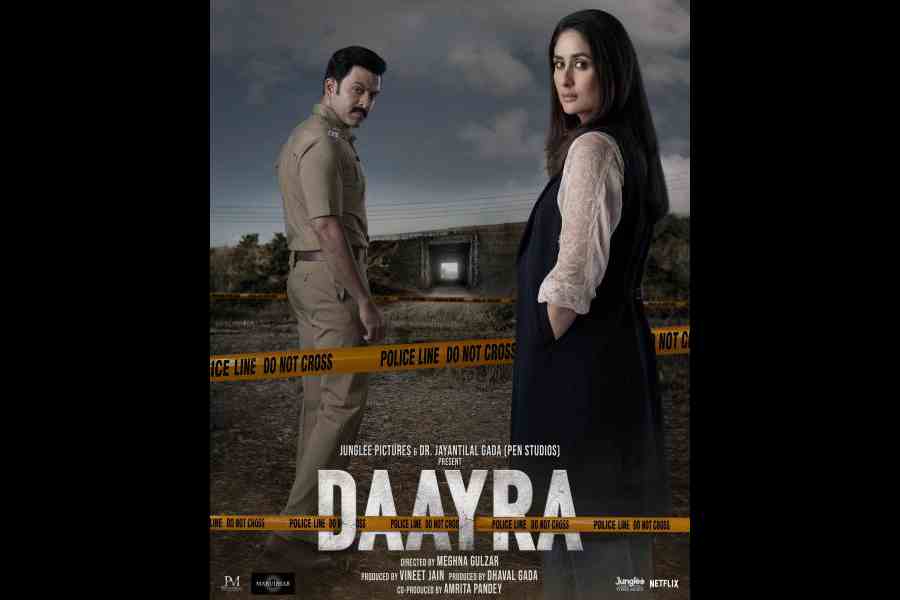
Daayra Challenges India’s Ideas of Justice and Revenge

Daayra Delivers an Unsparing, Ambiguous Reckoning With Justice
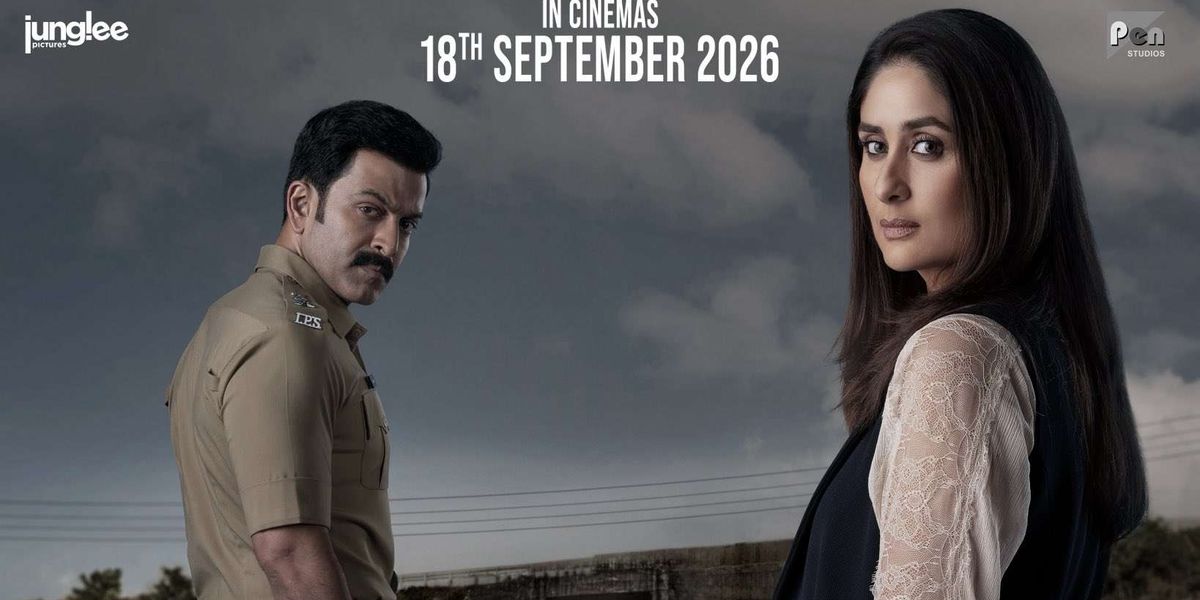
Daayra Review Examines Justice, Law and Police Accountability
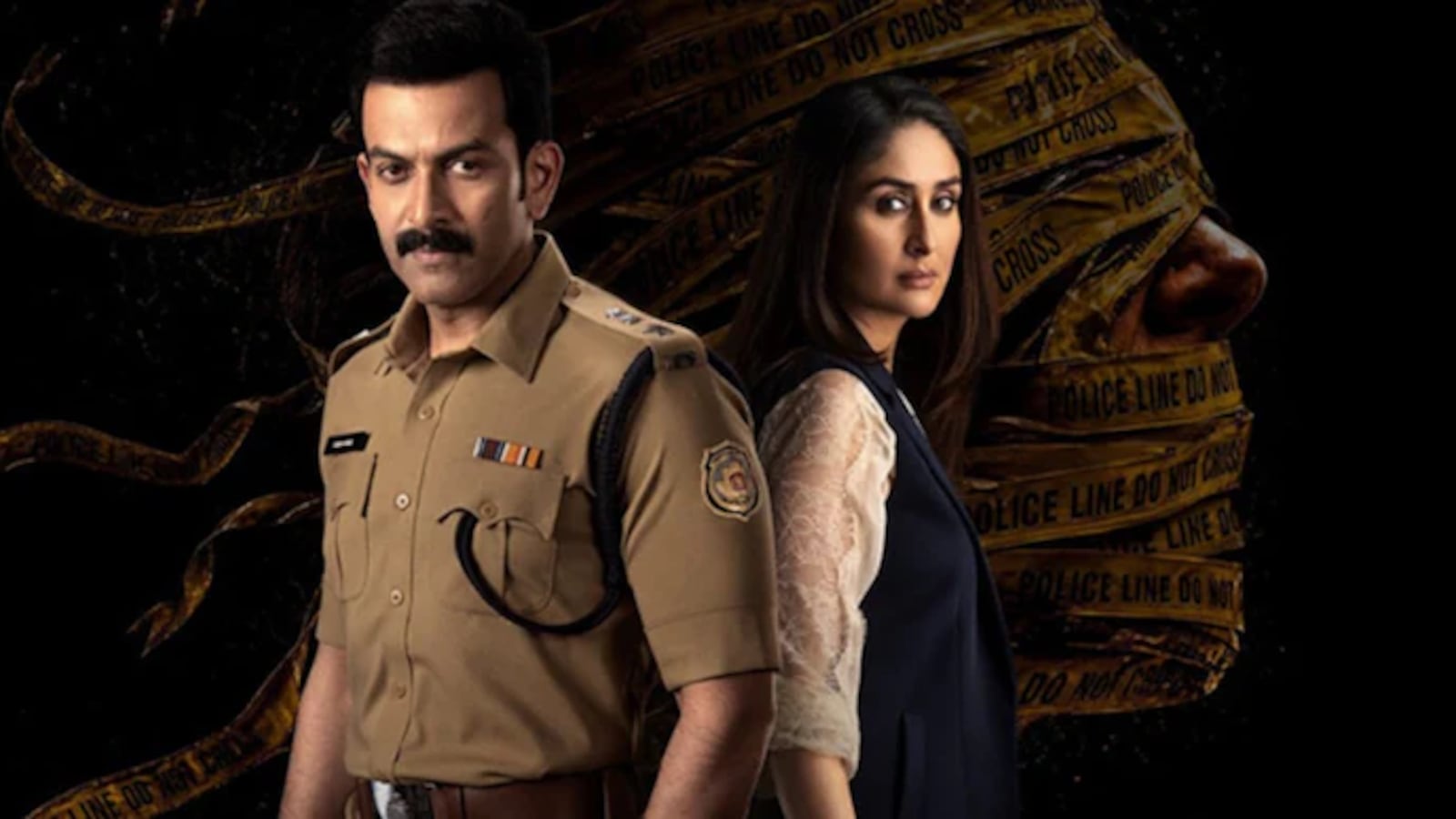
Daayra Review: Kareena Kapoor, Prithviraj Lead Meghna Gulzar’s Police Drama
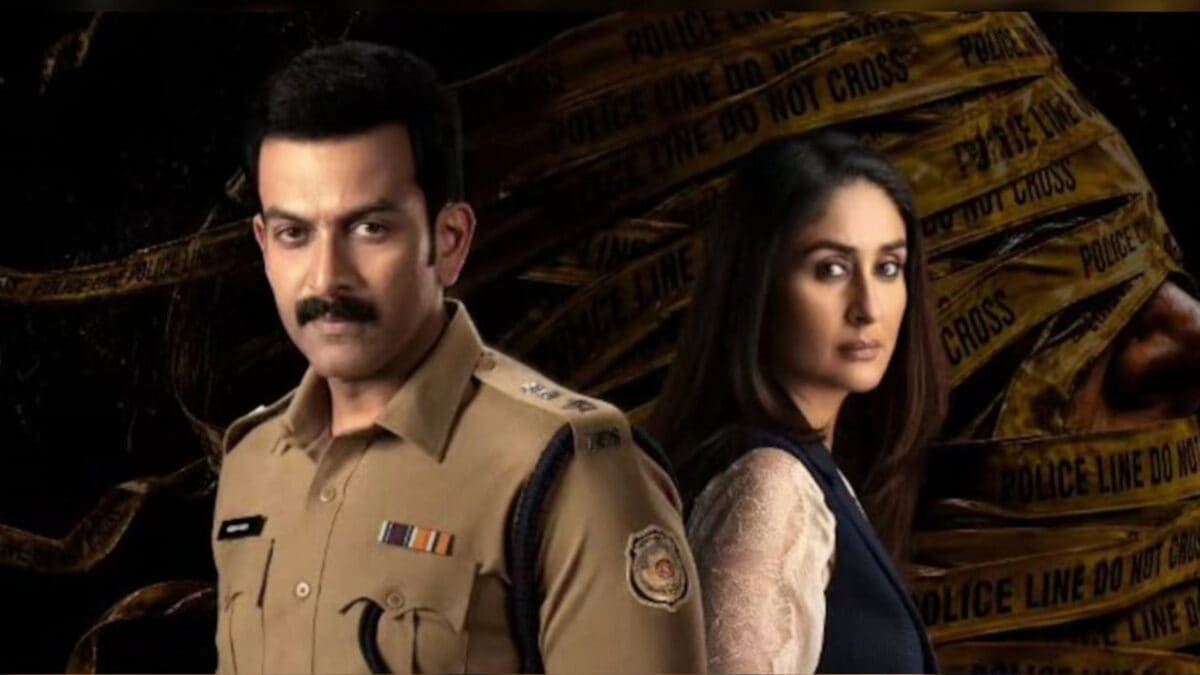
Daayra Review: Kareena, Prithviraj Lead Divisive Crime Thriller

Kunal Kemmu’s Vibe Beats Kareena Kapoor’s Daayra Opening Day

Daayra Opens To ₹90 Lakh Amid Mixed Reviews