

3 weeks ago
How Headless Animals Can Still Use Eyes to See
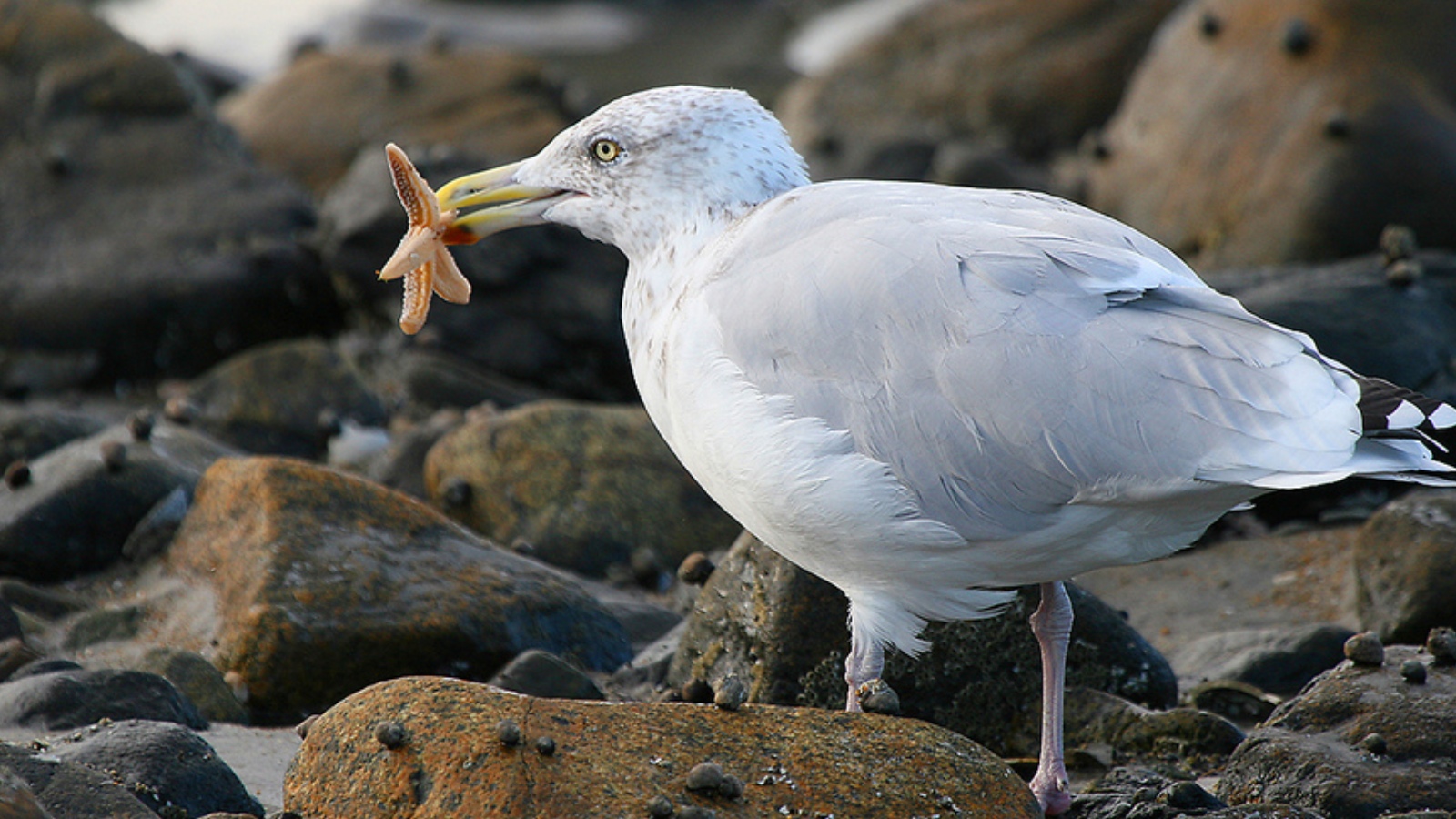
Most animals have a head with eyes and a brain.
However, some animals do not have a clear head.
They can still have light-sensitive organs or eyes.
These features may help them navigate, avoid predators, and find food.
Starfish are one example.
Starfish do not have a true head or brain.
Their bodies are arranged around a central disc.
The provided text introduces five examples but explains only starfish in detail.

Some animals lack a clearly defined head but can still see.
These creatures may have light-sensitive organs or fully developed eyes.
Their visual organs can help them navigate and detect predators.
Vision may also help these animals find food.
Starfish have no true head or brain and use radial symmetry.
- Who
- Animals without a clearly defined head, including starfish.
- What
- The article describes how some headless or diffuse-bodied animals can still see.
- Where
- When
- Why
- Light-sensitive organs or eyes help them navigate, detect predators, and find food.
Key facts
- Main subject
- Animals that lack a distinct head but retain visual abilities
- Visual organs
- Some examples have light-sensitive organs or fully developed eyes
- Uses of vision
- Navigation, predator detection, and finding food
- Starfish anatomy
- Starfish have no true head or brain
- Body structure
- Starfish have radial symmetry
- Central feature
- Their body is arranged around a central disc
- Article scope
- The text introduces five examples but provides details only about starfish
Sources
Related news
SpongeBob and Patrick Lookalikes Reveal a Predator-Prey Reality
Animal Dances Reveal Surprising Behaviors, From Bees’ Waggle Dance
Mimic Octopus Shape-Shifts into Dangerous Sea Creatures

Six Surprising Animals That Hibernate Beyond Bears and Bats

Spiritual Wellness Trend Explores a ‘Magnetic’ Third Eye
