

1 hr ago
Iran Threatens Regional Infrastructure Over Strait of Hormuz Dispute
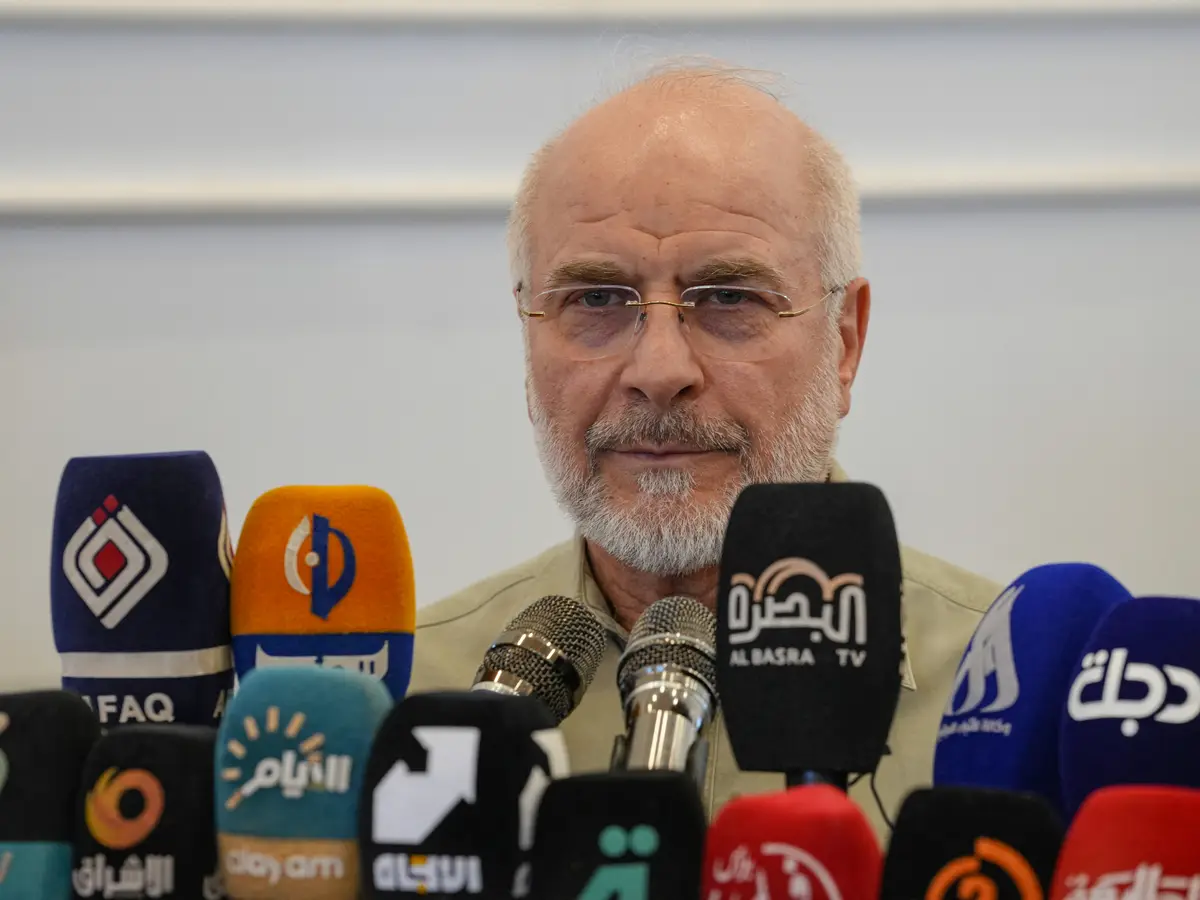
Iran has blocked most commercial ships from using the Strait of Hormuz during its conflict with the United States and Israel.
The strait is an important route for oil and gas shipments.
Iran says it may reopen the route if several demands are met.
These demands include a regional ceasefire and relief from financial and oil sanctions.
Qatar is trying to carry messages between Iran and the United States.
Iran says the United States has not yet formally answered its proposal.
Iranian officials warned that regional infrastructure could become unsafe if Iran’s security is not guaranteed.
The United States says the strait is still open.
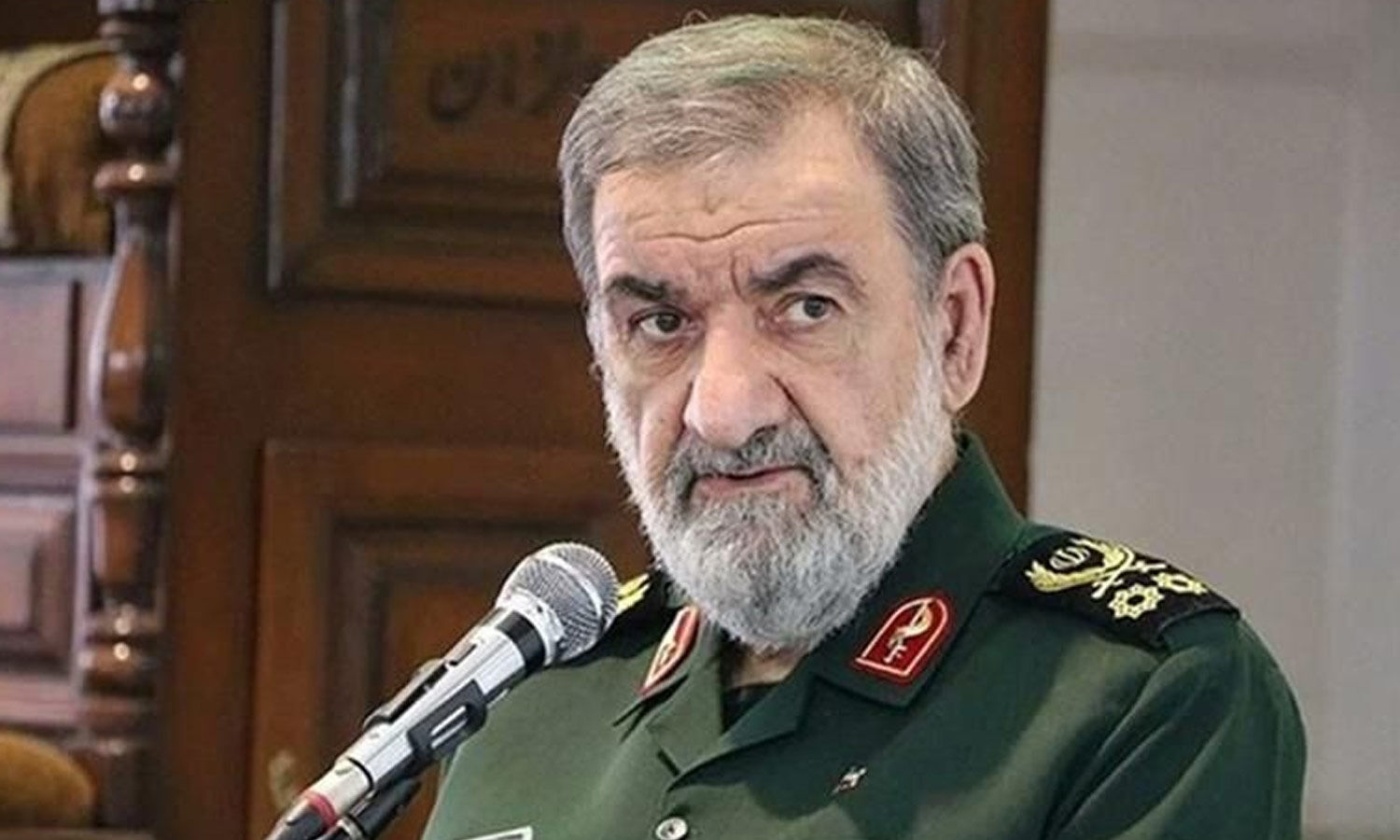
Iran’s Revolutionary Guards disagree, saying only a small number of ships are getting through under difficult conditions.

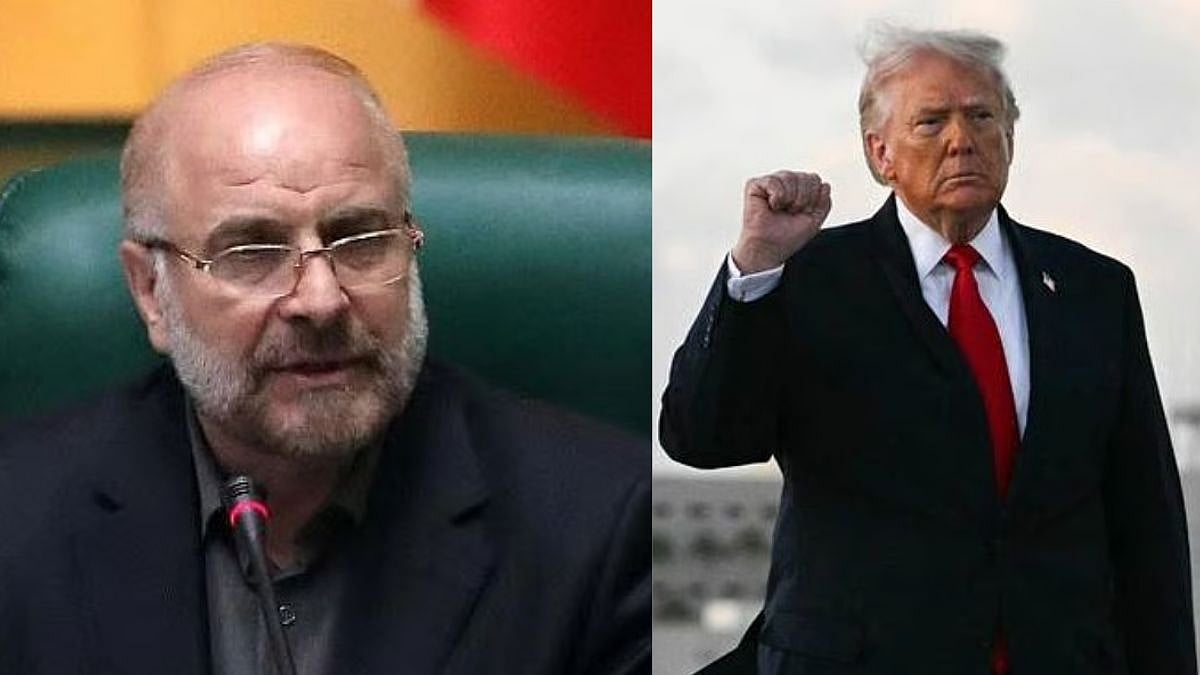
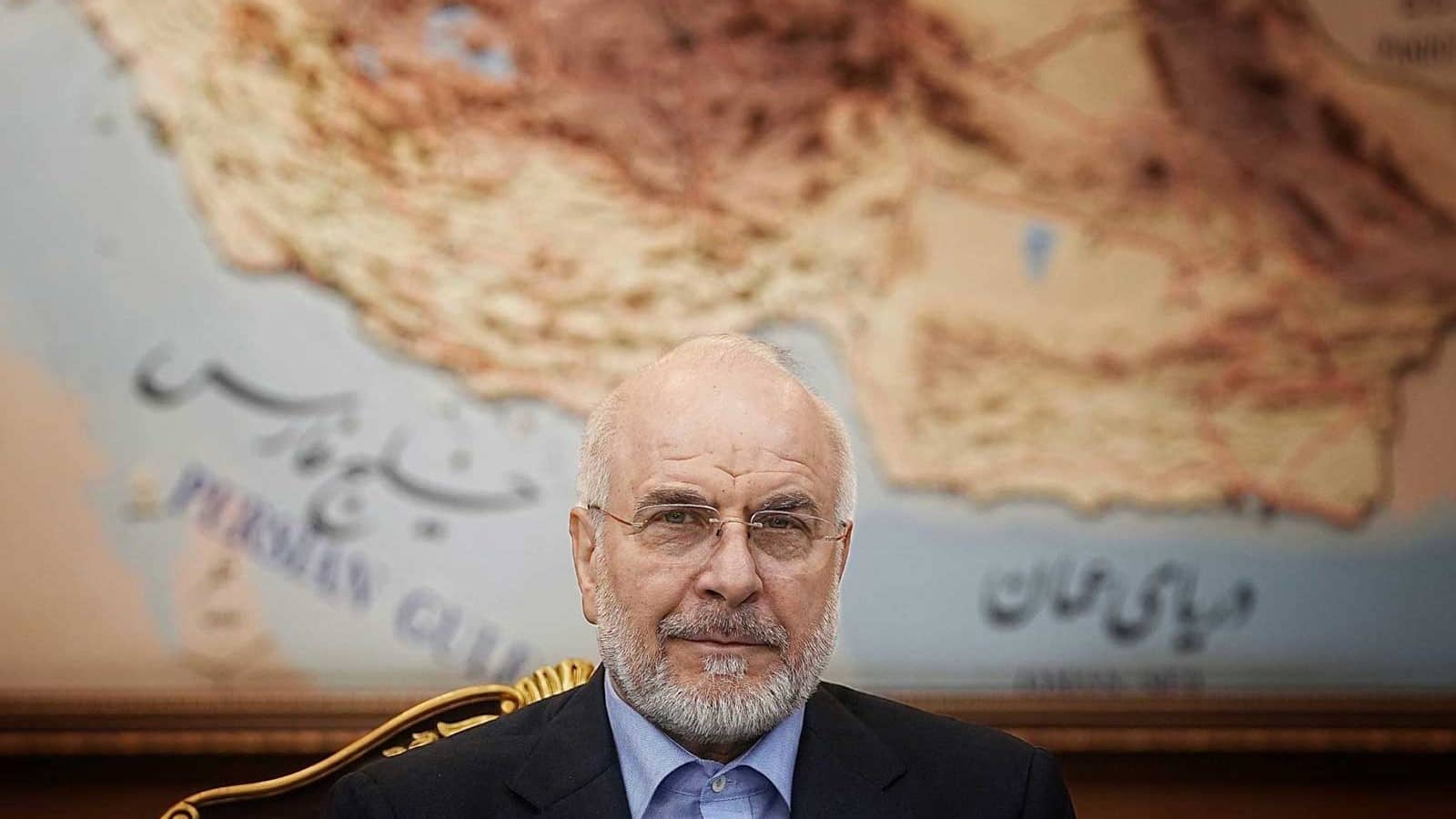
Iranian Parliament Speaker Mohammad Bagher Ghalibaf warned that regional infrastructure could be targeted if Iran’s security is not guaranteed.
Iran is awaiting a formal US response to its proposal to reopen the Strait of Hormuz, with Qatar acting as an intermediary.
Iran has demanded a seven-day regional ceasefire, the unfreezing of its overseas assets, oil-sector sanctions relief and an end to the US naval blockade.
US President Donald Trump dismissed Tehran’s proposal, while Washington maintains that the Strait of Hormuz remains open.
Iran’s Revolutionary Guards rejected that claim, saying only limited and costly oil shipments are passing through the route.
- Who
- Iranian officials, the United States, Qatar and Iran’s Revolutionary Guards are involved.
- What
- Iran threatened possible attacks on regional infrastructure while negotiating conditions to reopen the Strait of Hormuz.
- Where
- The dispute concerns the Strait of Hormuz and infrastructure across the Middle East.
- When
- The warning was issued Tuesday, September 29; the blockade has been in place since the war began in late February.
- Why
- Iran says reopening the strait depends on security guarantees, a regional ceasefire, sanctions relief, unfreezing assets and an end to the US naval blockade.
Iran’s Position
United States’ Position
Whether the strait is open
Iran’s Position
Iran’s Revolutionary Guards say the US claim is false because only a few costly shipments are passing under cover of darkness with transponders turned off.
United States’ Position
The United States maintains that the Strait of Hormuz remains open.
Conditions for reopening
Iran’s Position
Iran says reopening depends on security guarantees, a seven-day ceasefire across the Middle East, unfreezing Iranian assets, lifting oil sanctions and ending the US naval blockade.
United States’ Position
President Donald Trump dismissed Tehran’s proposal; the article does not provide additional details about Washington’s conditions.
Potential regional consequences
Iran’s Position
Mohammad Bagher Ghalibaf warned that no infrastructure would remain safe if Iran’s security was not guaranteed and said that if Iran cannot sell oil, others will not either.
United States’ Position
The United States’ reported position focuses on the claim that the strait remains open; the article does not report a direct US response to the infrastructure warning.
Key facts
- Iranian negotiator
- Mohammad Bagher Ghalibaf, who is also Iran’s parliament speaker
- Intermediary
- Qatar is conveying ideas between Iran and US officials
- Iran’s conditions
- A seven-day regional ceasefire, unfreezing Iranian assets abroad, lifting oil-sector sanctions and ending the US naval blockade
- US position
- President Donald Trump dismissed Iran’s proposal, while the United States says the Strait of Hormuz remains open
- Iranian position
- The Revolutionary Guards say limited nighttime oil shipments do not mean the strait is truly open
- Prewar traffic
- The route previously carried about one-fifth of the world’s oil and liquefied natural gas
- Iran’s stated benchmark
- Iran says a fully open strait would allow at least 125 vessels daily carrying at least 20 million barrels of oil and petroleum products
Quotes

Mohammad Bagher Ghalibaf
Iran’s chief negotiator and parliament speaker
“The current focus is solely on the Strait of Hormuz, and the reopening of the strait is contingent upon the fulfilment of certain conditions that we have communicated to the other side”
 wionews.com
“In a region where we cannot sell oil, no one else will sell oil either; or if our security is not guaranteed, no infrastructure will remain safe”
wionews.com
Sources
Related news
Iran Ties Hormuz Reopening and Talks to US Conditions
Iran Links Strait of Hormuz Access to End of US Threats
Iran Speaker Warns US Over Strait of Hormuz Security
Iran Sets Seven Conditions Before Reopening Strait of Hormuz

Iran Says Hormuz Will Stay Closed Until Conditions Are Met

Iran Offers Seven-Day Hormuz Reopening for U.S. Conditions
Jaishankar Warns Wars, Fertiliser Shortages Could Deepen Food Crisis
Iranian Rial Hits Record Low as War Deepens Economic Pain
Why India’s Physical Oil Basket Costs More Than Futures
