

1 month ago
El Nino Worsens Visakhapatnam Groundwater Crisis
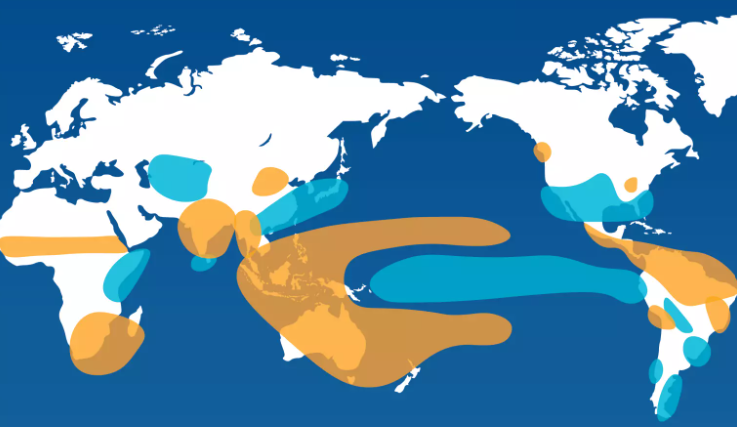
Visakhapatnam is facing a serious groundwater crisis.
The water table is dropping in many areas because of El Niño and not enough rain.
Some places like Arilova and Yendada have very low groundwater levels.
Officials say that urbanization and more people using groundwater are making the problem worse.
They suggest that everyone should collect rainwater to help recharge the groundwater.
Without these measures, the crisis will get worse.

El Niño and uneven monsoon rainfall have caused a groundwater crisis in Visakhapatnam.
Groundwater levels have dropped significantly in areas like Arilova, Yendada, and Madhurawada.
Some localities showed modest improvements due to localised showers.
Rapid urbanization and increased groundwater extraction are major contributors to the crisis.
Experts recommend rainwater harvesting and recharge systems to mitigate the problem.
- Who
- Residents and officials of Visakhapatnam district
- What
- Groundwater levels are declining due to El Niño and urbanization
- Where
- Visakhapatnam district, India
- When
- July 2023
- Why
- Due to El Niño's impact, uneven monsoon rainfall, and increased groundwater extraction
Urbanization and Over-Extraction
Rainwater Harvesting and Recharge
Causes of Groundwater Depletion
Urbanization and Over-Extraction
Rapid urbanization and increased groundwater extraction are primary causes of the declining water table.
Rainwater Harvesting and Recharge
Insufficient rainwater harvesting and recharge infrastructure exacerbate the problem.
Impact of Monsoon Rainfall
Urbanization and Over-Extraction
Monsoon rainfall is inadequate to replenish aquifers due to localised and insufficient showers.
Rainwater Harvesting and Recharge
Effective rainwater harvesting can help capture and percolate rainwater into the ground.
Key facts
- Arilova
- 36.25 metres below ground level (mbgl) in July
- Yendada
- 30.86 metres mbgl in July
- Madhurawada
- 27.23 metres mbgl in July
- Peda Rushikonda
- 24.14 metres mbgl in July
- Aganampudi
- Groundwater rose from 9.28 metres in June to 8.27 metres in July
- Bheemunipatnam
- Groundwater improved from 8.71 metres in June to 8.31 metres in July
- Nagarampalem
- Groundwater fell from 4.35 metres in June to 6.35 metres in July
- Palavalasa
- 0.74 metres mbgl
- Chukkavanipalem
- 1.5 metres mbgl
- Chippada
- 2.06 metres mbgl
Sources
Related news

PM Modi to Attend IIT Delhi Convocation, Inaugurate AI Supercomputer
Infineon Technologies Leases Bengaluru Office Space For Rs 750 Crore

iPhone 18 Pro expected September launch featuring A20 Pro chip

Apple iPhone 18 Pro Max Expected September 2026 Launch
