

3 hrs ago
Why Stolen Royal Jewels Are So Difficult to Recover

Stolen royal jewelry can be difficult to find after a theft.
A necklace can be taken apart into many separate stones.
The stones can then be sold one at a time.
If a gem is famous or easy to identify, it may be cut into a different shape.
This makes it harder for people to recognize or trace.
The thieves may earn less money by breaking up the jewelry.
However, selling it whole could make the theft easier to discover.
Once the pieces are separated, their history and importance are largely lost.

Stolen necklaces can be dismantled and their stones sold separately.
Gems that are recognizable or traceable can be recut into new forms.
A jewel’s historical associations can make it dangerous to sell intact.
Breaking up a piece reduces its financial value and destroys much of its historical significance.
The article explains why stolen royal jewelry is difficult to recover, but gives no specific cases or locations.
- Who
- The article discusses thieves and stolen royal jewelry, but names no specific people.
- What
- Royal jewelry may be dismantled, recut, and sold in separate parts after being stolen.
- Where
- No location is specified.
- When
- No date or period is specified.
- Why
- Breaking up the jewelry makes it harder to trace and sell as a recognizable historical object.
Key facts
- Main subject
- The difficulty of recovering stolen royal jewels
- Common target
- Necklaces and other valuable jewelry
- Disposal method
- Stones can be removed from their settings and sold separately
- Traceability
- Recognizable or famous gems may be recut
- Financial effect
- Broken-up stones may sell for only a fraction of the intact piece’s value
- Historical effect
- Dismantling destroys much of the jewelry’s historical significance
Sources
Related news

Historic 673-Diamond Necklace Stolen From Vienna Museum During Heist
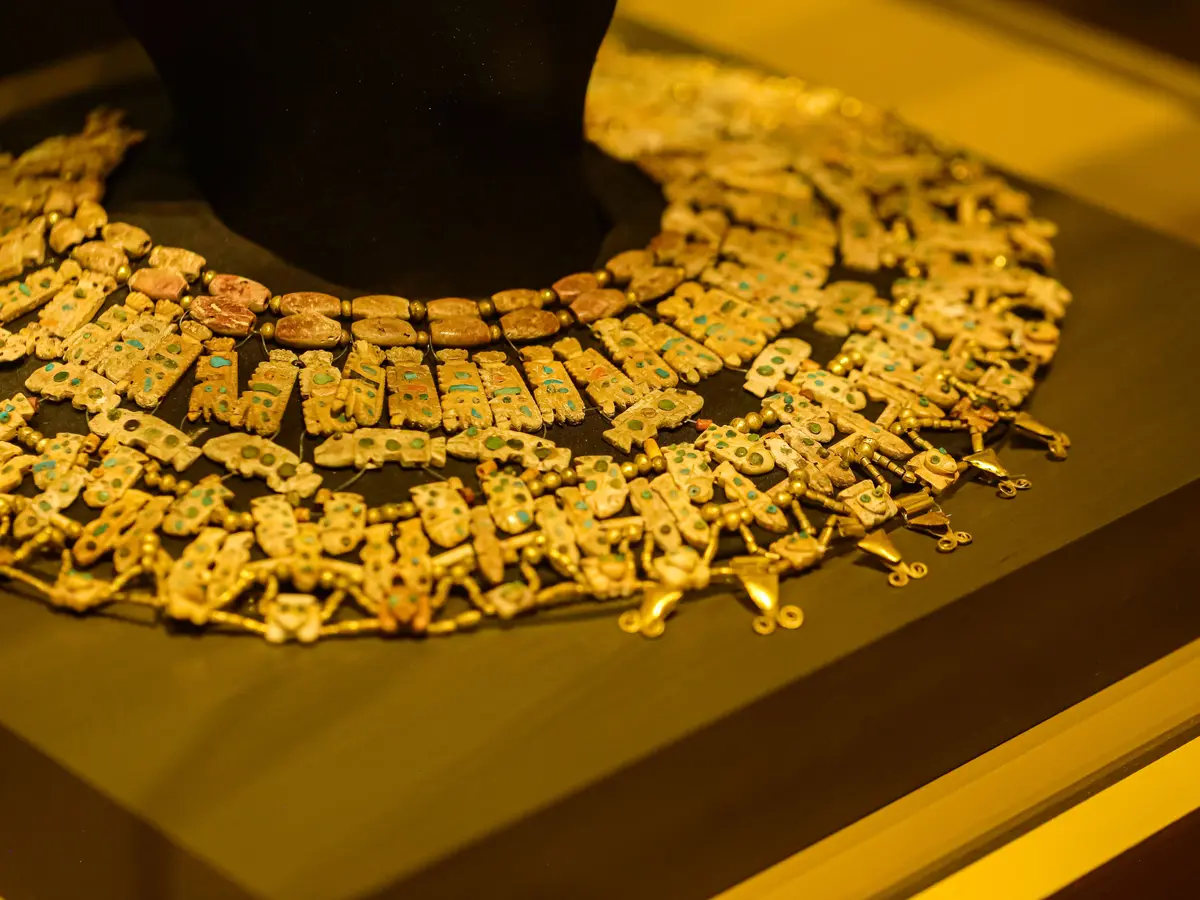
Thieves steal historic diamond necklace from Austria museum
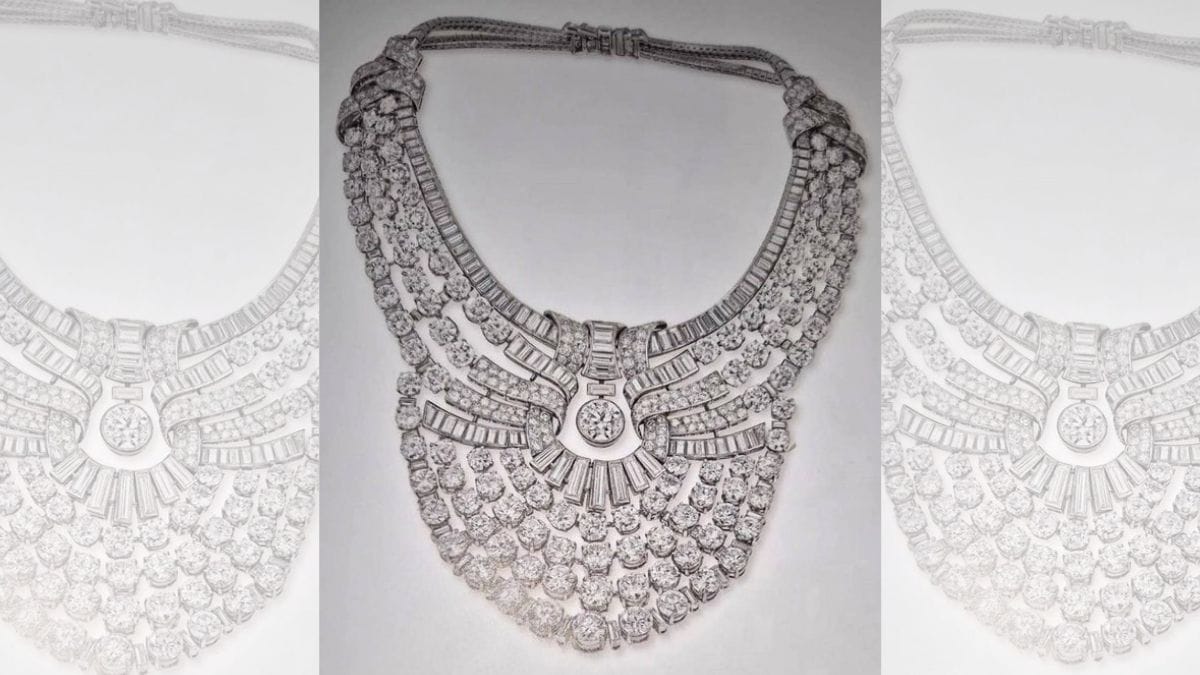
Egyptian Queen’s $4 Million Diamond Necklace Stolen in Vienna
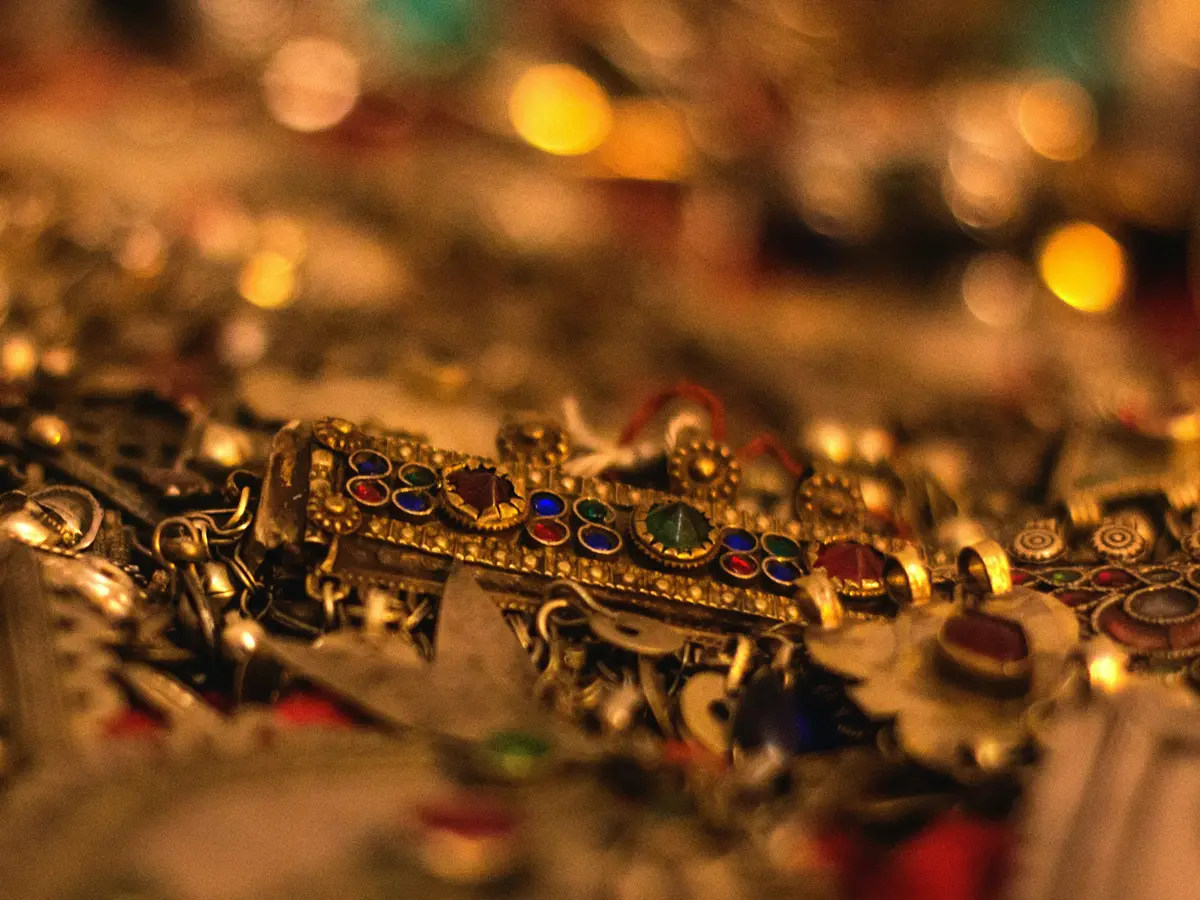
Four-minute Bronze Age gold heist targets Spain’s Treasure of Villena

Burqa-Clad Women Steal Rs 10-Lakh Gold Necklace From Telangana Shop
