42 mins ago
BRICS Leaders Seek Inclusive Growth Amid Middle East Tensions
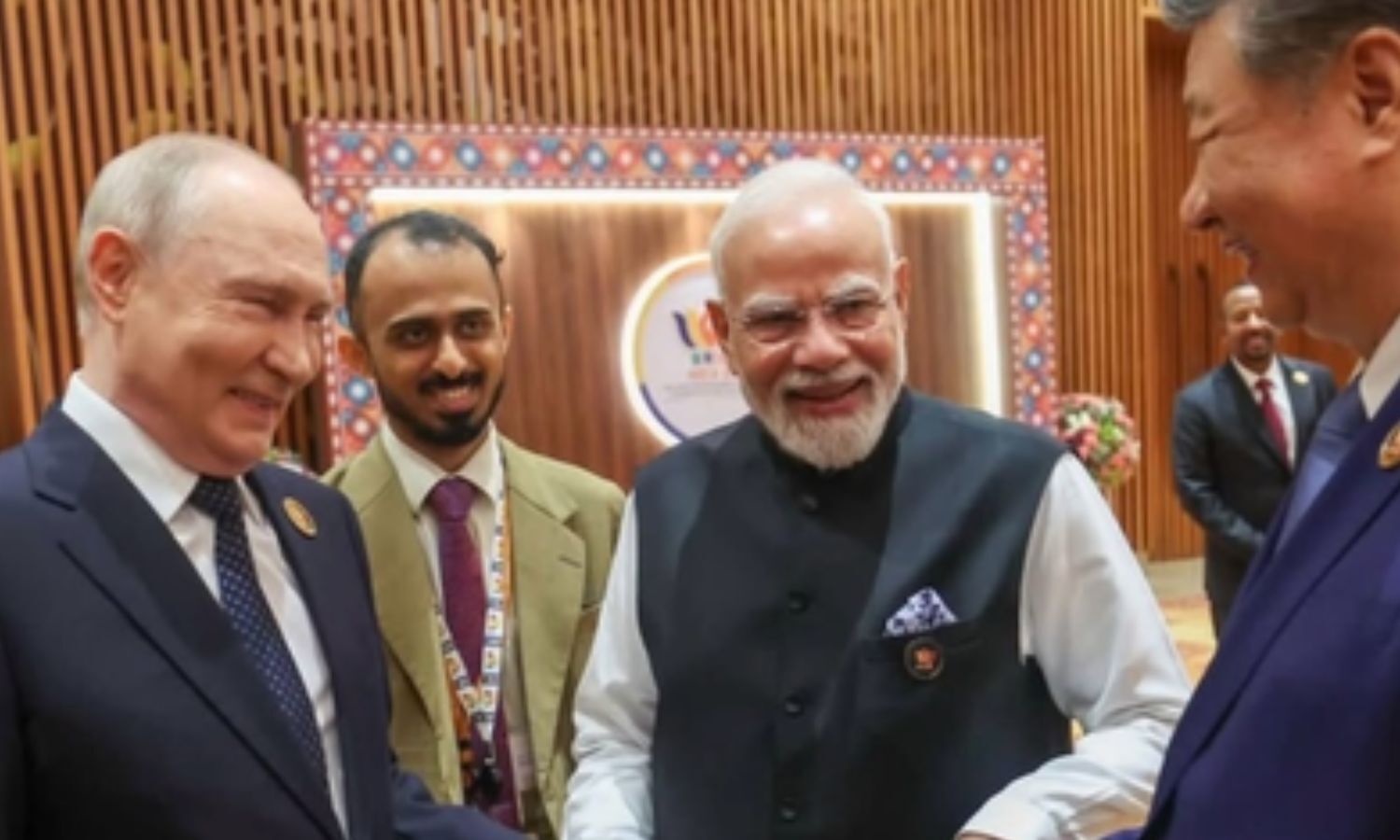
BRICS leaders met in New Delhi to discuss how their countries can grow together.
Narendra Modi said cooperation is important because the group represents a large share of the world's people, economy and trade.
The leaders also discussed serious fighting and tensions in the Middle East.
They asked everyone involved to show maximum restraint.
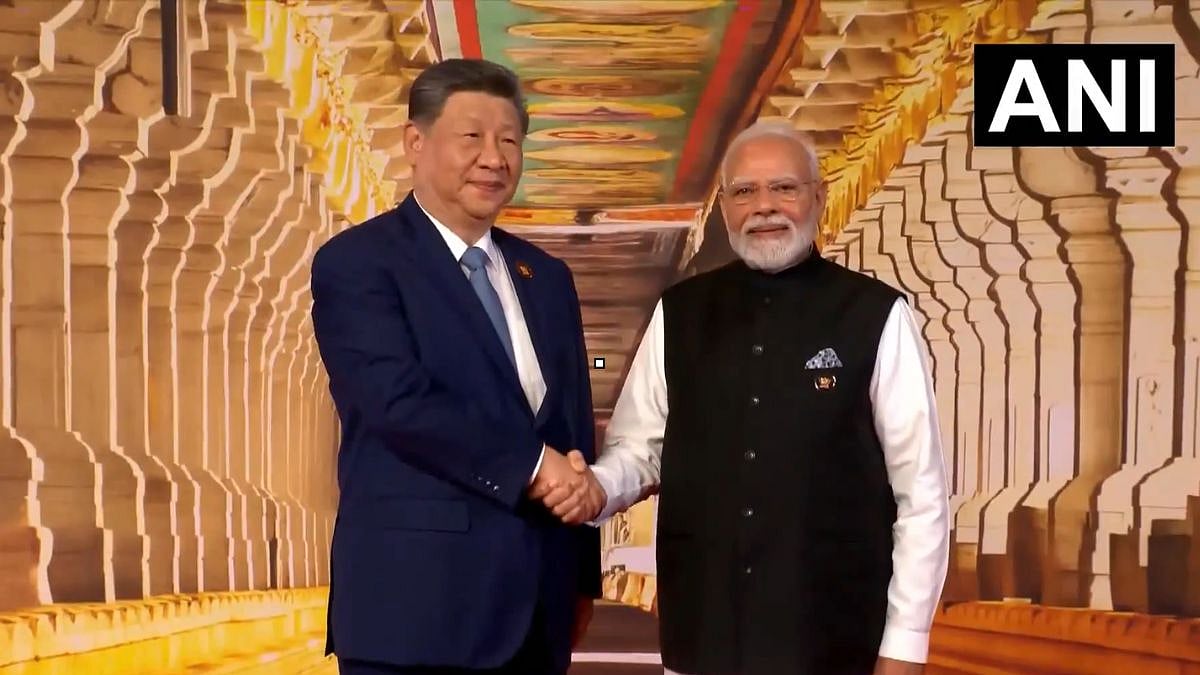
China’s Xi Jinping visited India for the first time since 2019.
His visit showed that relations between China and India may be slowly improving.
However, the two countries still disagree about where their border should be.
Both sides said they want a fair and mutually acceptable solution.
The leaders also said BRICS should have a stronger voice in global affairs.

Narendra Modi urged BRICS members to deepen cooperation and pursue inclusive global growth.
The leaders called for maximum restraint amid escalating Middle East tensions.
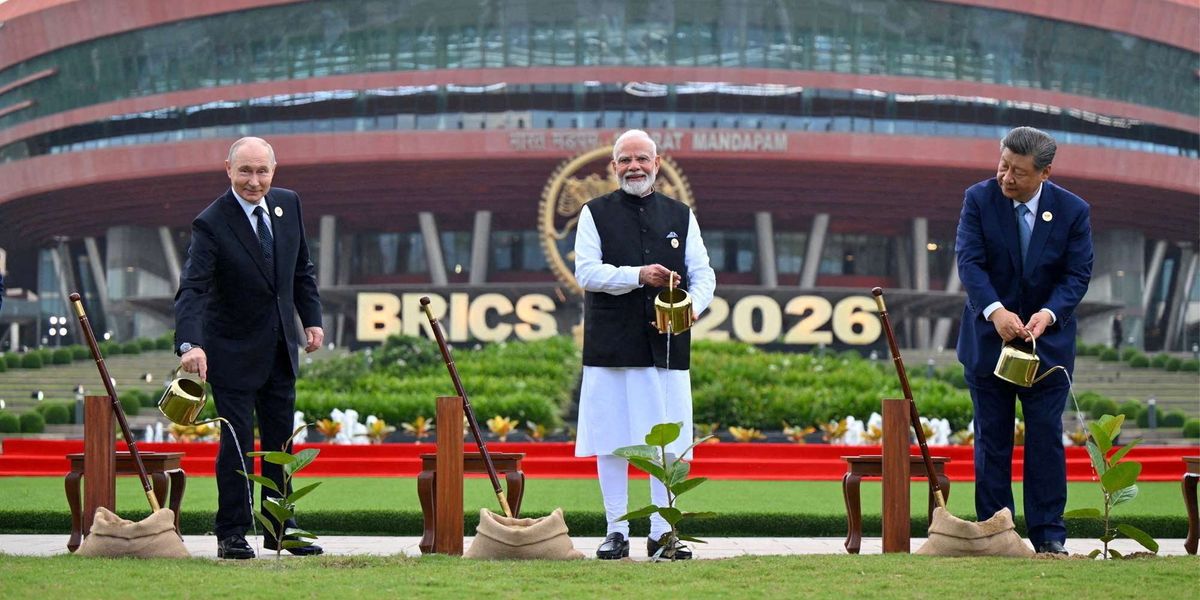
The summit brought together Modi, Xi Jinping, Vladimir Putin and other BRICS leaders in New Delhi.
Xi Jinping's visit was his first to India since 2019, signaling a cautious thaw after a deadly border clash.
India and China reaffirmed a commitment to a fair, reasonable and mutually acceptable boundary resolution.
- Who
- BRICS leaders, including Narendra Modi, Xi Jinping, Vladimir Putin and Masoud Pezeshkian.
- What
- They discussed inclusive global growth, cooperation, Middle East tensions and India-China relations.
- Where
- New Delhi, India.
- When
- September 13, 2026, the second and final day of the summit.
- Why
- BRICS is seeking greater global influence while addressing conflict, trade turbulence and energy security.
Cooperation and Diplomatic Progress
Persistent Divisions and Strategic Rivalry
BRICS cooperation
Cooperation and Diplomatic Progress
Narendra Modi said BRICS's diversity and cooperation can support inclusive global growth and strengthen the group's influence.
Persistent Divisions and Strategic Rivalry
The group's members have differing interests, and BRICS foreign ministers failed to agree on a joint statement in May over Middle East divisions.
India-China relations
Cooperation and Diplomatic Progress
Xi Jinping said China and India can complement each other's strengths, while both governments committed to a fair, reasonable and mutually acceptable boundary resolution.
Persistent Divisions and Strategic Rivalry
The territorial dispute remains unresolved, heavy military deployments continue along the border, and mistrust, trade tensions and strategic rivalry complicate relations.
Key facts
- Summit location
- New Delhi, India
- Second-day date
- September 13, 2026
- BRICS population share
- About 50% of the world's population, according to Narendra Modi
- BRICS economic share
- About 40% of global GDP, according to Narendra Modi
- BRICS trade share
- More than 25% of global trade, according to Narendra Modi
- Middle East statement
- Leaders expressed deep concern over escalating tensions and called for maximum restraint
- India-China border
- The boundary dispute remains unresolved, with both sides retaining heavy military deployments
Quotes

Narendra Modi
Prime Minister of India
“Although our two countries are different in many respects, they are fully capable of complementing each other's strengths, supporting one another, achieving mutual success and advancing together.”
 easterneye.biz
“We express deep concern over the continued escalation of tensions in Middle East/West Asia, and call for exercising maximum restraint.”
easterneye.biz
Sources
Related news

BRICS Leaders Meet in New Delhi Amid Global Tensions
BRICS Leaders Unite on West Asia, Terrorism and Trade
India Faces Diplomatic Test at High-Stakes BRICS Summit

Xi Jinping Visits India as BRICS Summit Faces War
Xi Urges BRICS Cooperation as Middle East War Dominates Summit

India's BRICS Summit Tests Diplomatic Reach Amid Global Uncertainty
India’s Bizarre Headlines Span Textbooks, Towers, SUVs and Fake Officials
Congress Accuses Modi of Capitulation After China Talks
Sridhar Vembu Urges India to Consider Leaving UN
Mehbooba Mufti Accuses Modi of Compromising India’s Values
India, Iran Discuss Economic Cooperation as BRICS Engagement Deepens