3 days ago
Tribal Schools Confront Learning Loss After Automatic Promotion

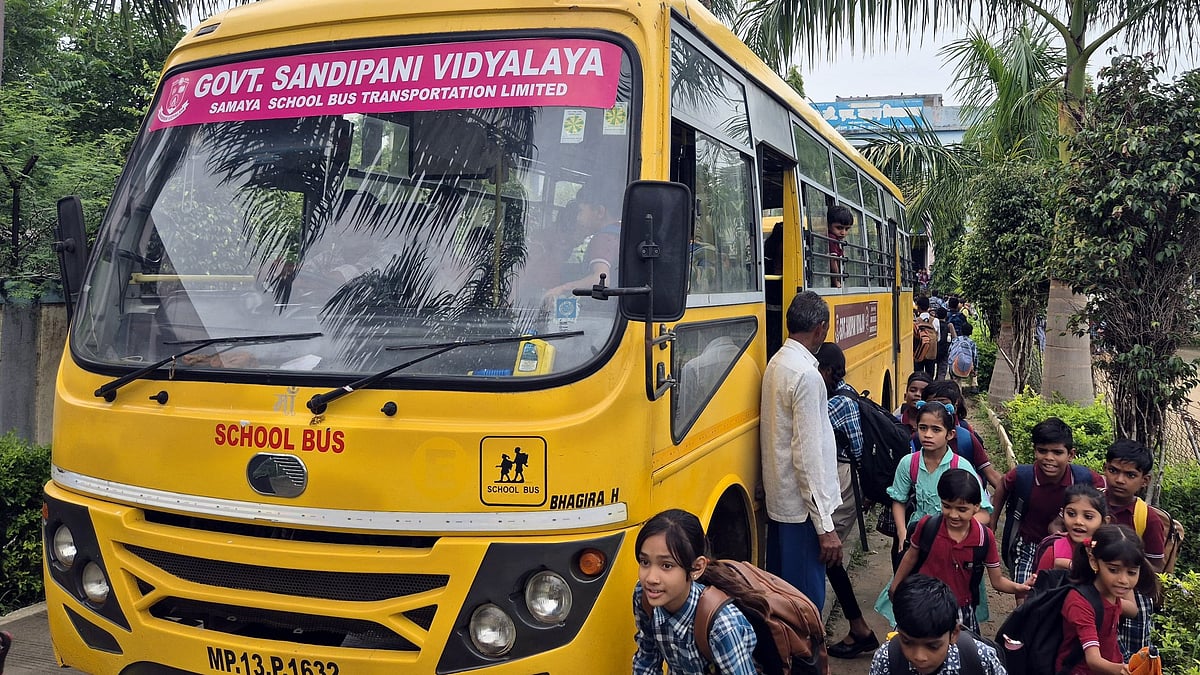
Many children in Toto and Birhor communities go to school and move up each year.
But some reach Classes VI and VII without being able to read simple passages or do basic sums.
The no-detention rule was created to stop children from being scared of failing and leaving school.
It helped children stay enrolled, but it did not always make sure they were learning.
These schools often have too few teachers, difficult roads and lessons in a language children do not speak at home.
Some families also move for seasonal work, causing children to miss classes.
A newer rule allows schools to keep students back after extra help and another test.
Experts say this will work only if schools also receive better teaching support and culturally appropriate lessons.

Students in several Toto and Birhor communities advance grades despite struggling with basic reading and arithmetic.
The RTE Act’s no-detention policy aimed to reduce dropouts and examination anxiety but often separated promotion from learning.
ASER 2022 found that nationally 42.8% of Class V students could read a Class II-level text, while 25.6% could solve simple division.
Tribal schools face language barriers, teacher shortages, multigrade classrooms, absenteeism, seasonal migration and poor transport.
A 2019 RTE amendment allows assessments and retention in Classes V and VIII after remedial teaching and reassessment.
- Who
- Students from the Toto and Birhor communities, their teachers, education researchers and policymakers in West Bengal.
- What
- A learning crisis in which students are promoted through grades without mastering foundational reading and numeracy skills.
- Where
- Toto settlements in Alipurduar, including Totopara, and Birhor hamlets in Purulia, West Bengal.
- When
- The no-detention provision was introduced in 2010; Parliament amended the RTE Act in 2019, and ASER data cited are from 2022.
- Why
- Automatic promotion operated alongside teacher shortages, language differences, multigrade classrooms, absenteeism, seasonal migration and weak infrastructure.
Unconditional Promotion
Learning-Based Accountability
Purpose of promotion rules
Unconditional Promotion
Supporters of the original no-detention approach say it reduced examination fear, helped children remain in school and prevented exclusion.
Learning-Based Accountability
Supporters of the amended framework say progression should reflect minimum learning, provided students receive remedial instruction and a chance to be reassessed.
How to address learning gaps
Unconditional Promotion
Critics of retention warn that holding children back can become punitive and may increase exclusion if schools lack adequate support.
Learning-Based Accountability
Education and legal experts argue that identifying and addressing learning gaps before promotion can prevent deficiencies from accumulating into secondary school.
Main policy priority
Unconditional Promotion
The article’s critics of automatic promotion emphasize that enrolment and retention do not prove that children are learning.
Learning-Based Accountability
Researchers and legal scholars say accountability must be paired with teacher recruitment, mother-tongue instruction, remedial programmes, flexible calendars and better residential facilities.
Key facts
- No-detention policy
- Introduced under the Right of Children to Free and Compulsory Education Act in 2010 to prevent failure through elementary education.
- National reading figure
- ASER 2022 reported that 42.8% of Class V students could read a Class II-level text.
- National arithmetic figure
- ASER 2022 reported that 25.6% of Class V students could correctly solve a simple division problem.
- RTE amendment
- The 2019 amendment allows regular assessments in Classes V and VIII and retention after remedial instruction and reassessment.
- Birhor literacy examples
- Literacy was reported at around 60.84% in Bhupatipally and 37.68% in Bareriya.
- Key educational barriers
- Reported barriers include language mismatches, teacher shortages, multigrade teaching, seasonal migration, absenteeism and poor transport.
Quotes
Dr Vijay Kumar Sinha
Assistant professor and Vice-Principal (Academics) at the Indian Institute of Legal Studies, Siliguri
“The no-detention policy emerged from a child-rights perspective and undoubtedly reduced the fear of examinations. But among Particularly Vulnerable Tribal Groups, the policy was implemented without strengthening the educational ecosystem that children required. Promotion became administrative, not academic.”
 thestatesman.com
“The original objective of the Right to Education Act was to guarantee access and prevent exclusion. The amendment does not abandon that philosophy; rather, it attempts to reconcile children’s rights with learning outcomes.”
thestatesman.com
Sources
Related news
Tribal Children Affected as Madhya Pradesh School Remains Shut

India’s Exam-Focused Classrooms Need A New Learning Pathway

Tamil Nadu School on Wheels Brings Education to Tribal Children

CJP Announces Largest-Ever Campaign to Improve Tribal Schools

Karnataka Issues Notices to 180 Teachers Over Students' Math Struggles

India’s School Crisis Deepens As Learning Outcomes Decline
Jammu Kashmir Assembly Seeks TET Exemption for Pre-2019 Teachers
J&K Assembly Erupts Over Free LPG Cylinder Scheme

Maharashtra School Faces Notice Over ₹50 Methi Tiffin Fine
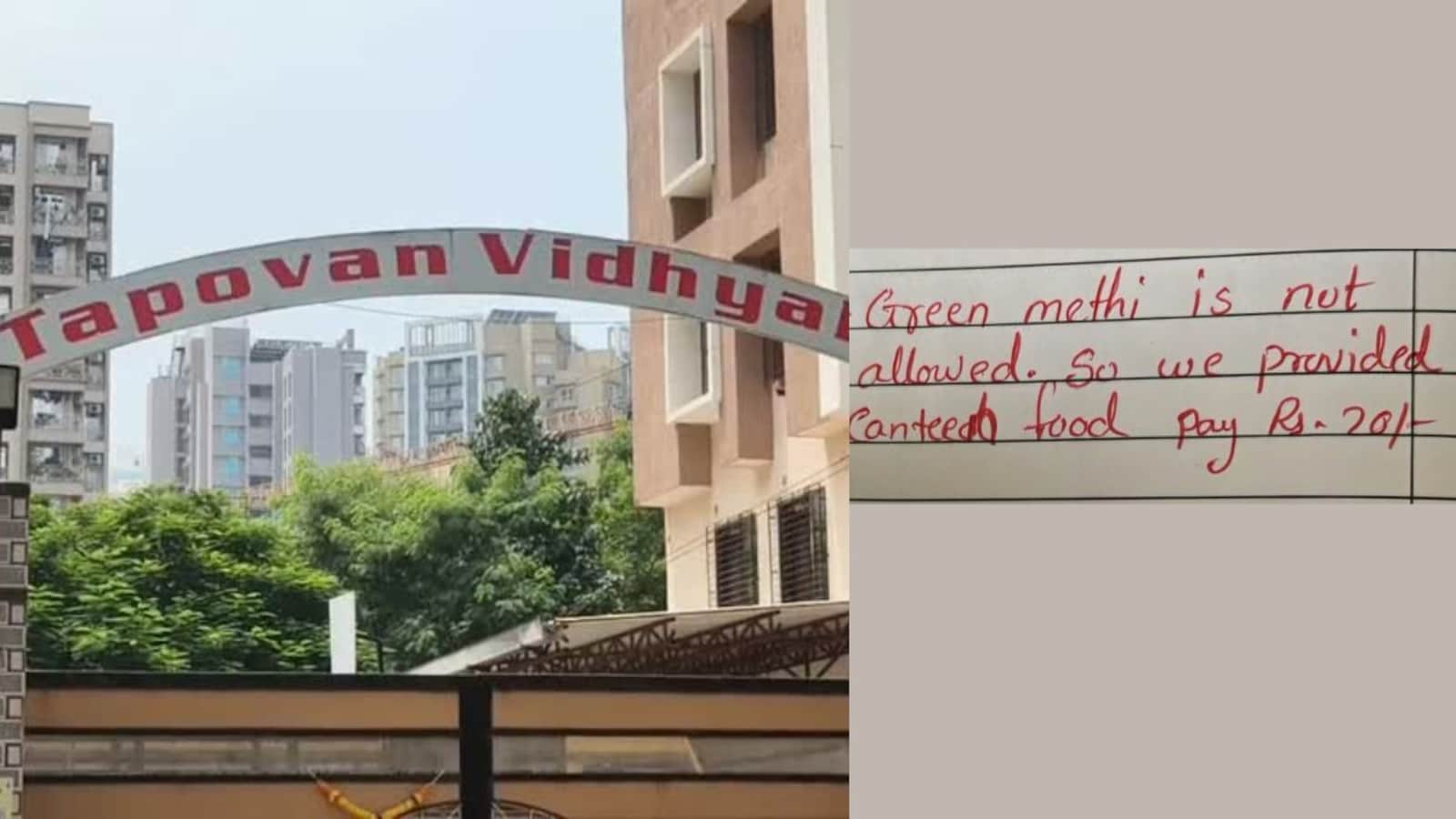
Bhayandar School Faces Notice Over Methi Tiffin Charge