1 hr ago
DeepSeek Plans Massive Huawei AI Chip Cluster in Inner Mongolia

DeepSeek wants to build a very large computer centre in Inner Mongolia.
It plans to fill the centre with at least 160,000 Huawei AI chips.
These chips would mostly run DeepSeek’s AI models after they are created.
DeepSeek still uses Nvidia chips for the important job of training its models.
Huawei may not be able to make enough chips quickly because some parts are scarce.
This means the project could take more than a year to complete.
The planned facility could become one of the largest collections of Huawei AI chips known publicly.
It would help China rely less on Nvidia for artificial intelligence.
However, Huawei’s chips are still less powerful than Nvidia’s leading processors.

DeepSeek plans to deploy at least 160,000 Huawei AI accelerators at an Inner Mongolia data centre.
The startup reportedly intends to use Huawei’s next-generation Ascend 950DT chips mainly to run AI models.
DeepSeek is not currently planning to use the chips to train its models and still relies on Nvidia accelerators for training.
Huawei may produce only a few hundred thousand Ascend 950DT chips this year because of component shortages.
If completed, the facility would exceed other publicly known Huawei AI-chip clusters and support China’s efforts to reduce Nvidia dependence.
- Who
- Chinese AI startup DeepSeek and Huawei Technologies Co.
- What
- DeepSeek plans to deploy at least 160,000 Huawei Ascend 950DT AI accelerators at a new data centre.
- Where
- An expanding data centre under construction in Inner Mongolia, China.
- When
- No specific installation date was given; fulfilling the order could take more than a year.
- Why
- The project could expand DeepSeek’s computing infrastructure and support China’s efforts to reduce dependence on Nvidia processors.
Strategic Independence
Technical and Supply Constraints
Reducing Nvidia dependence
Strategic Independence
The planned Huawei cluster could give DeepSeek and China a major domestic alternative to Nvidia technology.
Technical and Supply Constraints
Chinese facilities would still use processors that are less powerful than Nvidia’s leading accelerators.
Project feasibility
Strategic Independence
A facility with more than 160,000 processors could significantly expand DeepSeek’s AI infrastructure and surpass publicly known Huawei-chip installations.
Technical and Supply Constraints
Huawei faces shortages of key components, must supply other customers, and may need more than a year to fulfill the order.
Use of Huawei chips
Strategic Independence
DeepSeek is reportedly seeking additional supplies of Huawei’s most advanced processors and plans to use them to run its AI models.
Technical and Supply Constraints
DeepSeek is not currently planning to use the Ascend 950DT chips for model training and continues to use Nvidia accelerators for that work.
Key facts
- Planned chip deployment
- At least 160,000 Huawei AI accelerators
- Planned processor
- Huawei’s next-generation Ascend 950DT
- Primary planned use
- Running DeepSeek’s AI models rather than training them
- Current training hardware
- DeepSeek continues to rely on Nvidia accelerators for model training
- Huawei production outlook
- A few hundred thousand Ascend 950DT chips are expected to be produced this year
- Potential delay
- Meeting DeepSeek’s requirements could take more than a year
- Infrastructure financing
- DeepSeek is reportedly discussing raising billions of dollars for expansion
Sources
Related news
Nvidia Develops China-Specific AI Chip Amid Export Restrictions

Nvidia Denies Report of China AI Chip Shipments

Nvidia Denies Report of New China-Specific AI Chip
Nvidia AI Chip Price Hike Pushes Silicon Valley Toward Efficiency
Small Nvidia H200 Shipments Reach China Amid Export Restrictions
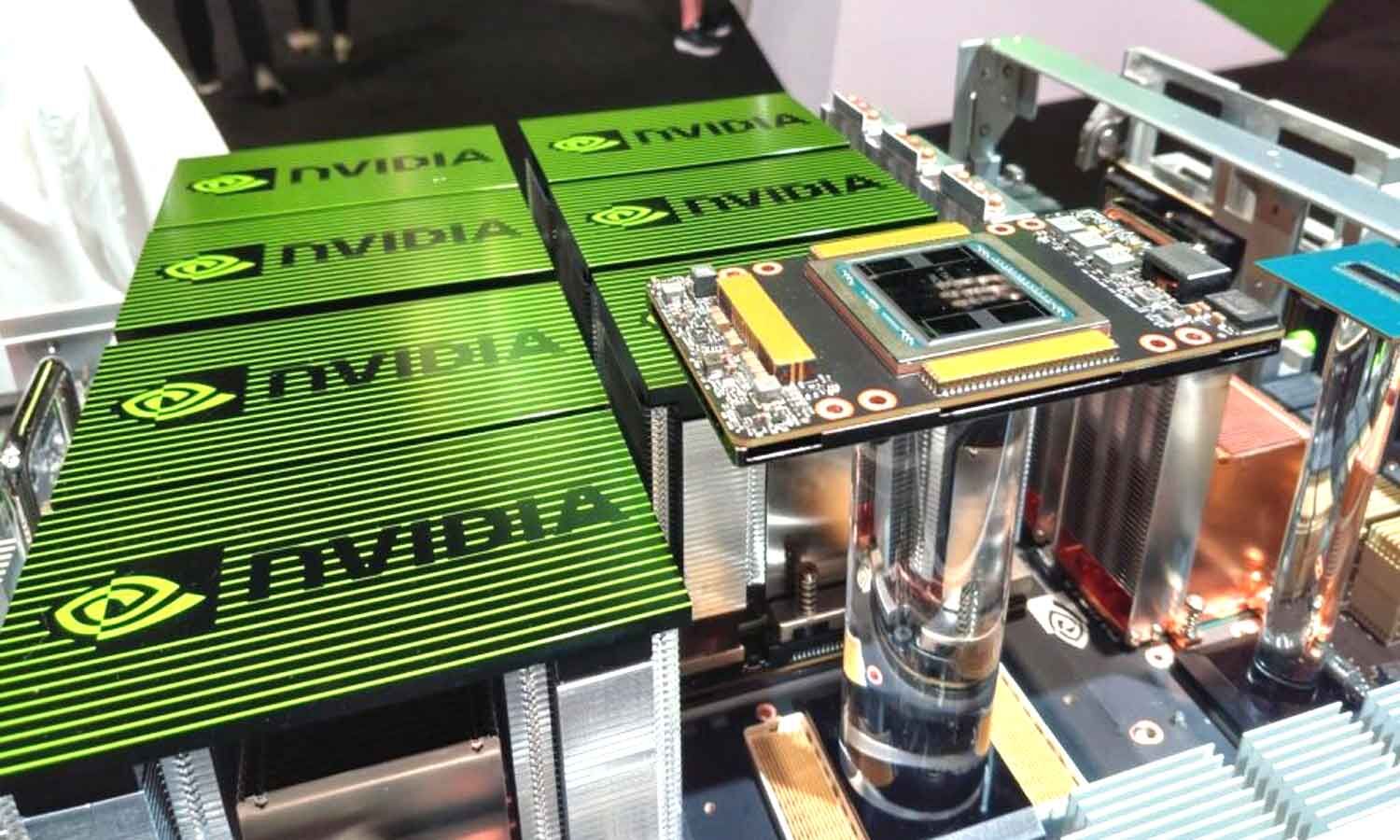
AM Intelligence Orders 9,000 Nvidia AI Systems for Hyderabad
Xi’s Foreign Tour Pitches China’s Leadership Ahead of Trump Meeting

China Challenges US Leadership in Escalating Global AI Contest
Huawei Opens Preorders for Tri-Fold Mate XT 2 in China
Apple and Huawei Prepare Foldable Smartphone Showdown This September