3 days ago
Why the US Wants Control of Venezuela’s Heavy Crude
The United States produces more oil than any other country, but much of its oil is light and sweet.
Venezuela has a lot of oil that is heavy and sour, which is a different type.
Many US Gulf Coast refineries were built to process this heavier kind of oil.
Venezuela’s oil industry has weakened because of underinvestment, mismanagement, and political conflict.
The proposed agreement could give US interests majority operational control of some Venezuelan oil assets.
The United States says the arrangement could improve energy security and reduce reliance on less-friendly suppliers.
Venezuelan opposition leaders question whether the interim government can approve such a long-term deal.
China and Russia have also invested in Venezuela, so the agreement could change regional political influence.

The United States says it will gain majority control over more than 65 billion barrels of Venezuelan oil reserves.
Venezuela has about 300 billion barrels of proven reserves but produces less than 1% of global oil output.
Most Venezuelan crude is heavy and sour, matching the design of many US Gulf Coast refineries.
The agreement’s legal structure and the interim administration’s authority to approve it remain unclear.
Reviving Venezuela’s oil industry could require more than $180 billion in investment over 15 years.
- Who
- The United States, Venezuela’s interim administration, US oil interests, and Venezuelan opposition leaders are involved.
- What
- The United States and Venezuela have announced an agreement intended to give US interests majority control or operational involvement in Venezuelan oil assets.
- Where
- Venezuela, with implications for US Gulf Coast refineries and the wider Americas.
- When
- The announcement followed the reported capture of Nicolás Maduro in January; the year is not specified in the article.
- Why
- The United States seeks access to Venezuela’s heavy sour crude, refinery-compatible supplies, energy security, lower oil prices, and reduced Chinese and Russian influence.
US and investment rationale
Venezuelan concerns and objections
Purpose of the agreement
US and investment rationale
The United States presents the arrangement as a way to use private capital and technology to revive Venezuela’s oil industry, secure heavy crude, and strengthen energy-market influence.
Venezuelan concerns and objections
Venezuela presents it as an investment program, while opposition leaders object to giving American companies significant control over national oil assets.
Control of oil resources
US and investment rationale
US officials describe majority control of more than 65 billion barrels, potentially through a private company with a 55% US operational share.
Venezuelan concerns and objections
The agreement’s legal and commercial structure is unclear, and the distinction between production-sharing contracts, long-term concessions, and majority ownership remains politically important.
Political and geopolitical impact
US and investment rationale
Washington could reduce dependence on suppliers linked to geopolitical tensions and limit Chinese and Russian influence in Venezuela and the Americas.
Venezuelan concerns and objections
Venezuela has historically maintained strong state control of its oil industry, and questions remain over whether its interim administration has authority to commit to long-term agreements.
Key facts
- Venezuelan reserves
- About 300 billion barrels of proven oil reserves.
- Proposed US-controlled reserves
- More than 65 billion barrels, according to the United States.
- Venezuelan production
- Less than 1% of global oil output and about one-third of its production at the turn of the century.
- Proposed operational share
- Some reports describe a new company in which US interests would hold a 55% operational share.
- Potential investment
- Venezuela estimates the program could attract about $100 billion in private investment.
- Estimated recovery cost
- Rystad Energy estimates more than $180 billion would be needed over 15 years to restore production to late-1990s levels.
- Crude type
- Most Venezuelan oil is heavy sour crude, while most US production is light sweet crude.
Sources
Related news
Trump’s Venezuela Oil Deal Puts 65 Billion Barrels In Play
Trump Announces Major U.S. Control of Venezuelan Oil

Trump Announces U.S.-Venezuela Agreement Over Major Oil Reserves

Trump Announces Claimed Historic U.S.-Venezuela Oil Reserves Deal

Trump Ties Venezuelan Oil Deal to Strategic Reserve Refill
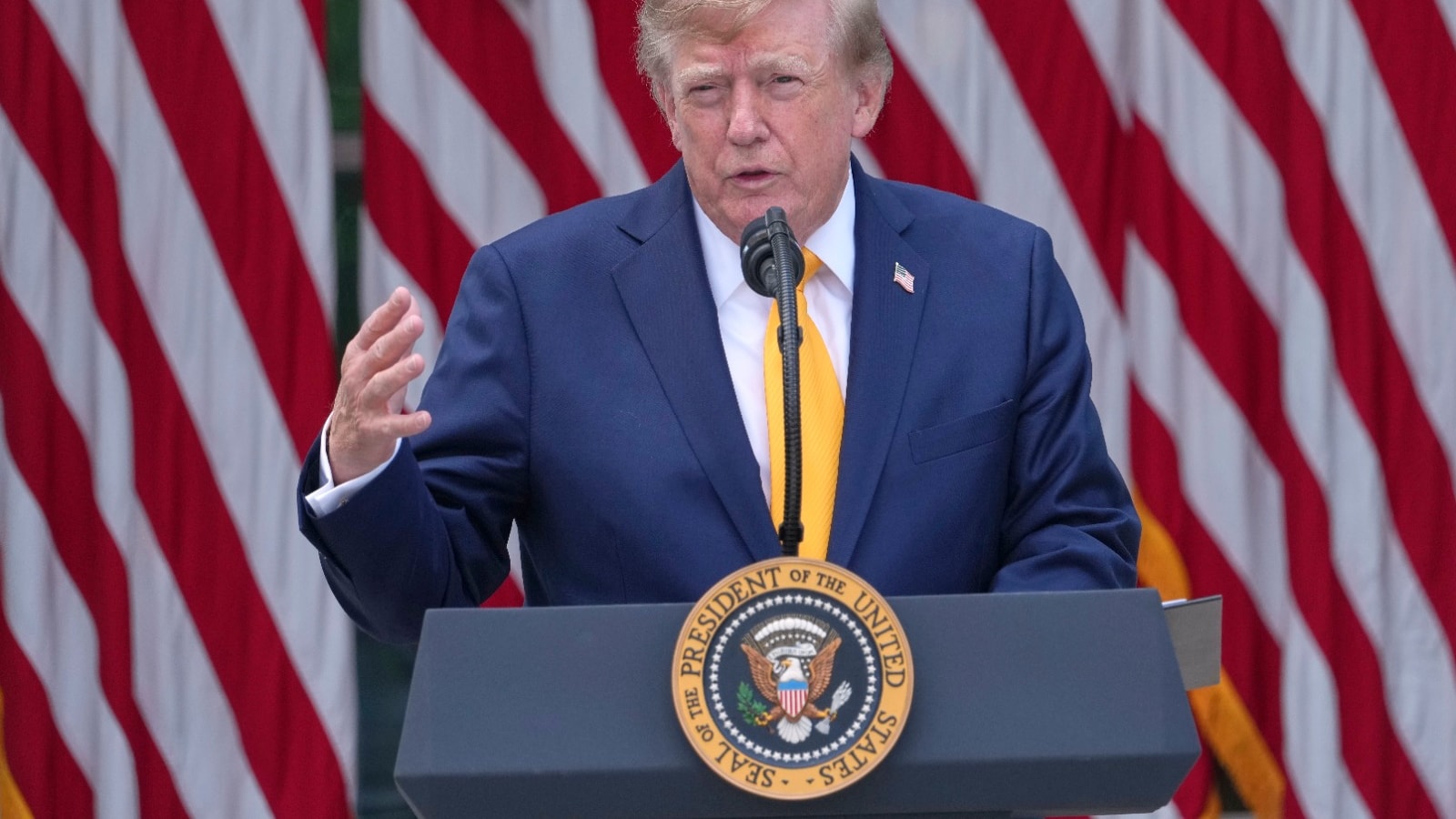
Trump Claims Historic Venezuelan Oil Deal Amid Major Uncertainties

US-Iran Strikes Escalate as Tehran Warns of New Strategy
Trump Warns of Fresh Iran Strike After Heavy Attack

Trump Says US Could Attack Iran Again at Will

U.S. Treasury Yields Ease as Jobs Data Misses Expectations

Iran Seizes Fuel-Smuggling Vessel in Gulf, Arrests 11 Crew