1 week ago
Kohat Mosque Attack Exposes Pakistan’s Militant Rivalries and Afghan Tensions
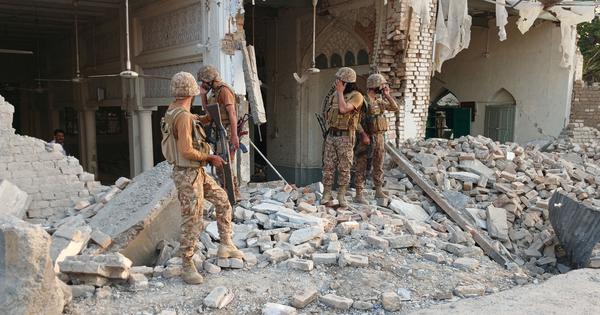
A mosque in Kohat, Pakistan, was attacked during Friday prayers.
A bomber drove an explosives-filled car into a police complex, and gunmen then fought police for about 20 hours.
Thirty-one people died, including 16 police officers, and more than 100 were injured.
A group called the Ittehad-ul-Mujahideen Pakistan claimed responsibility.
Other militant groups said they were not involved and criticized the attack because many civilians were killed.
This disagreement showed that extremist groups sometimes cooperate but also compete with one another.
Pakistan said some attackers were connected to networks in Afghanistan and carried out airstrikes there.
The strikes made the already difficult relationship between Pakistan and Afghanistan even worse.

A suicide bombing and gun attack at a mosque in Kohat killed 31 people, including 16 police officers, and injured more than 100.
Supporters of the Ittehad-ul-Mujahideen Pakistan claimed responsibility, while the Pakistani Taliban, Jamaat-ul-Ahrar, the Afghan Taliban and AQIS condemned the assault.
The attack exposed tensions within militant networks that otherwise seek greater cooperation and coordination.
Pakistan identified at least one attacker as an Afghan national and responded with airstrikes against militant targets in Afghanistan.
The violence has intensified already strained Pakistan-Afghanistan relations and renewed disputes over alleged militant sanctuaries.
- Who
- Supporters of the Ittehad-ul-Mujahideen Pakistan claimed responsibility; Pakistani police and civilians were among the victims.
- What
- A suicide bombing followed by a gun battle struck a mosque inside a police complex.
- Where
- Kohat, in Khyber Pakhtunkhwa province, northwest Pakistan.
- When
- September 18, 2026, during Friday prayers; the standoff lasted about 20 hours.
- Why
- The attack appears connected to the group’s objective of weakening the Pakistani state and advancing Islamist rule.
Pakistani Government View
Afghan Taliban and Militant Responses
Responsibility for militant sanctuaries
Pakistani Government View
Pakistan says Afghan-based networks and sanctuaries support attacks in Pakistan and demands that Kabul dismantle them.
Afghan Taliban and Militant Responses
The Afghan Taliban treats the Pakistani Taliban as an internal Pakistani problem and has not agreed to a broad crackdown, although it has facilitated talks between Islamabad and the Pakistani Taliban.
Response to the Kohat attack
Pakistani Government View
Pakistan viewed the presence of Afghan-based networks and the identification of at least one Afghan national among the attackers as justification for retaliatory airstrikes.
Afghan Taliban and Militant Responses
The Afghan Taliban condemned the mosque attack, while several other militant groups also denied involvement or criticized it; the resulting strikes further intensified cross-border tensions.
Militant cooperation
Pakistani Government View
The attack illustrates the security threat created by cooperation and shared networks among groups such as the Pakistani Taliban, AQIS and the Ittehad-ul-Mujahideen Pakistan.
Afghan Taliban and Militant Responses
The groups are not a unified bloc: ideological differences, competition for recruits and resources, and disputes over civilian targeting continue to produce public denunciations and failed merger efforts.
Key facts
- Deaths
- 31 people, including 16 police officers
- Injuries
- More than 100 people were reported injured
- Claim of responsibility
- Supporters of the Ittehad-ul-Mujahideen Pakistan claimed responsibility on encrypted applications including Telegram
- Group formation
- The Ittehad-ul-Mujahideen Pakistan was formed in April 2025 from three militant factions
- Attack method
- A suicide bomber used an explosives-laden vehicle, followed by a gun battle with law enforcement
- Pakistan’s response
- Pakistan conducted airstrikes in Afghanistan after the attack
- Regional context
- Pakistan-Afghanistan relations have deteriorated since the Taliban took control of Afghanistan in 2021
Sources
Related news

Pakistan Reports Militants Killed as Afghan Civilians Die in Strikes
Pakistan Mosque Bombing Reports Differ on Death Toll
Pakistan police headquarters attack kills 31 as Kohat fighting continues
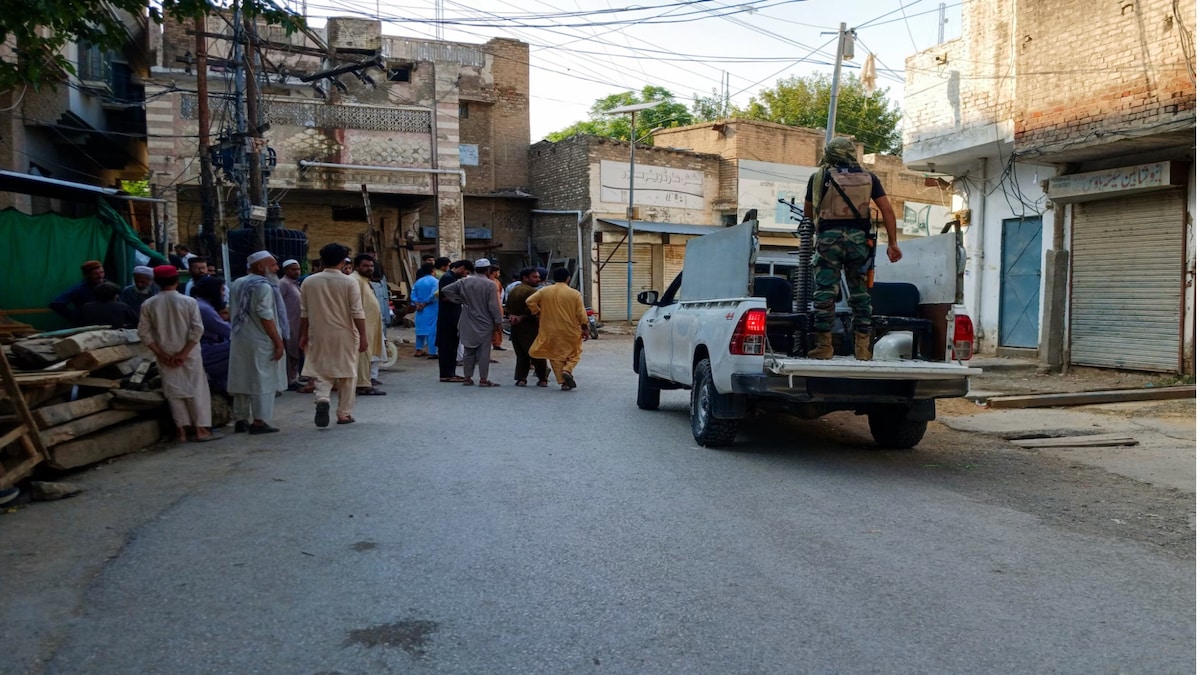
Suicide Attack Near Mosque Kills 16 in Northwest Pakistan
Pakistan Reports 28 Militants Killed in Strikes, Afghanistan Disputes Toll

Pakistan Mosque Suicide Blast Kills 16, Injures More Than 50
ISKP Expected to Intensify Attacks on Taliban-Friendly Groups
AQIS Enters Pakistan Theatre, Further Complicating Islamabad’s Fight
Afghan Man Sentenced to 20 Years in ISIS-K Case

AQIS Expands Digital Recruitment While Rebuilding Afghan Bases