7 hrs ago
Supreme Court Raps Noida Over Notice to Gen Z Protester
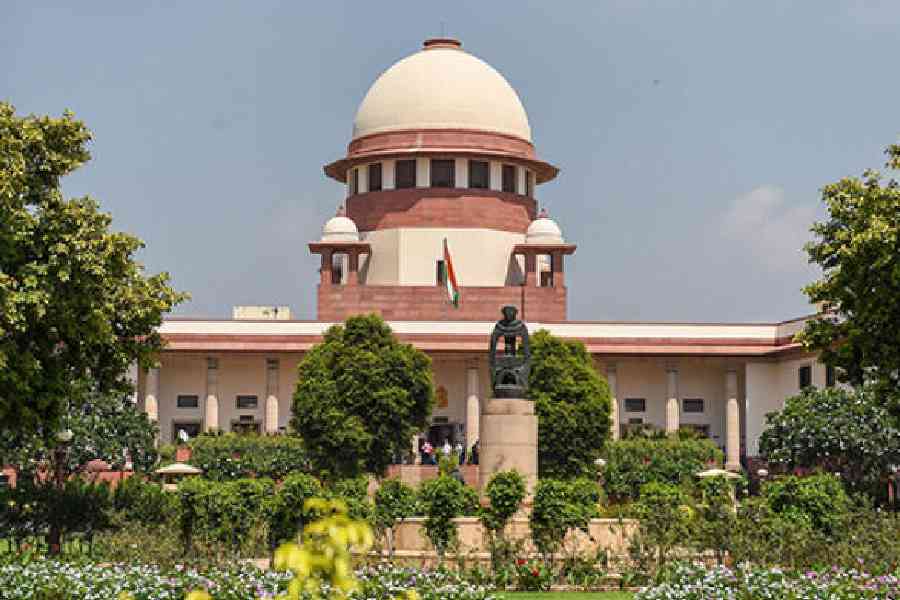
The Supreme Court said a Greater Noida magistrate should not have sent a notice to student Akshat Tripathi.
The notice was connected to a protest led by Cockroach Janta Party.
On September 1, the court had said authorities must not take coercive action against student protesters, except those with prior criminal cases.
The notice asked Akshat to explain why he should not provide a ₹5 lakh personal bond and two sureties of ₹5 lakh each.
It was based on a police report alleging he encouraged students to join the protest.
The notice was later withdrawn.
An advocate argued that issuing it still disrespected the court’s order.
Akshat has asked the Supreme Court to cancel the notice and investigate how it was issued.
The court agreed to hear his petition but did not set a date.

The Supreme Court questioned Greater Noida authorities for issuing a notice to student Akshat Tripathi despite its September 1 order barring coercive action against student protesters.
The September 4 notice sought a ₹5 lakh personal bond and two sureties of the same amount.
The notice relied on a police report alleging that Akshat encouraged students to join the Cockroach Janta Party-led protest.
Authorities later withdrew the notice, but advocate Bishwajit Bhattacharya argued that issuing it still amounted to contempt of court.
The Supreme Court agreed to hear Akshat’s petition challenging the notice but did not set a hearing date.
- Who
- The Supreme Court, Greater Noida authorities, student Akshat Tripathi, and advocate Bishwajit Bhattacharya.
- What
- The Supreme Court criticized a notice issued to Akshat and agreed to hear his challenge against it.
- Where
- Greater Noida, Uttar Pradesh, and the Supreme Court.
- When
- The court’s protective order was issued on September 1; the notice was issued on September 4 and discussed on Wednesday.
- Why
- The notice allegedly concerned Akshat’s role in encouraging students to join a protest despite the court’s order barring coercive action.
Court’s Inquiry
Challenge to Notice
Effect of withdrawal
Court’s Inquiry
The bench questioned what problem remained after the notice was withdrawn.
Challenge to Notice
Bishwajit Bhattacharya argued that issuing the notice itself could constitute contempt because the court’s order had to be respected.
Basis for the notice
Court’s Inquiry
The notice was issued under specified provisions of the Bharatiya Nagarik Suraksha Sanhita based on a police report.
Challenge to Notice
Akshat’s petition says the notice contained vague allegations and did not identify a specific act, date, time, statement, or instance of imminent violence.
Key facts
- Student named
- Akshat Tripathi, a second-year student at Gautam Buddha University and an SFI state committee member.
- Notice date
- September 4.
- Bond demanded
- A ₹5 lakh personal bond and two sureties of ₹5 lakh each.
- Legal provisions cited
- Sections 126 and 135 of the Bharatiya Nagarik Suraksha Sanhita.
- Supreme Court order
- The September 1 order quashed FIRs against student protesters and barred coercive action, except against those involved in prior criminal cases.
- Notice status
- The notice was later withdrawn.
- Current legal status
- The Supreme Court agreed to hear Akshat’s petition but set no date.
Quotes
Bishwajit Bhattacharya
Senior advocate and former additional solicitor-general who raised the matter before the court.
“I’ve nothing to do with Akshat. I don’t even know him. I took the decision to mention it since today’s press reports reflected brazen disregard and contempt of the SC order by the executive magistrate of Greater Noida.”
 telegraphindia.com
“We made it clear that no coercive action shall be taken against the students. No magistrate can violate the order.”
telegraphindia.com
Sources
Related news
Noida Student’s CJP Protest Notice Revoked After Police Review

CJP Questions Noida DM’s Rs 5 Lakh Student Notice

Student Seeks Reasons Behind Cancelled Gautam Buddha University Notice
Centre Seeks Supreme Court Quashing of NEET Protest FIRs
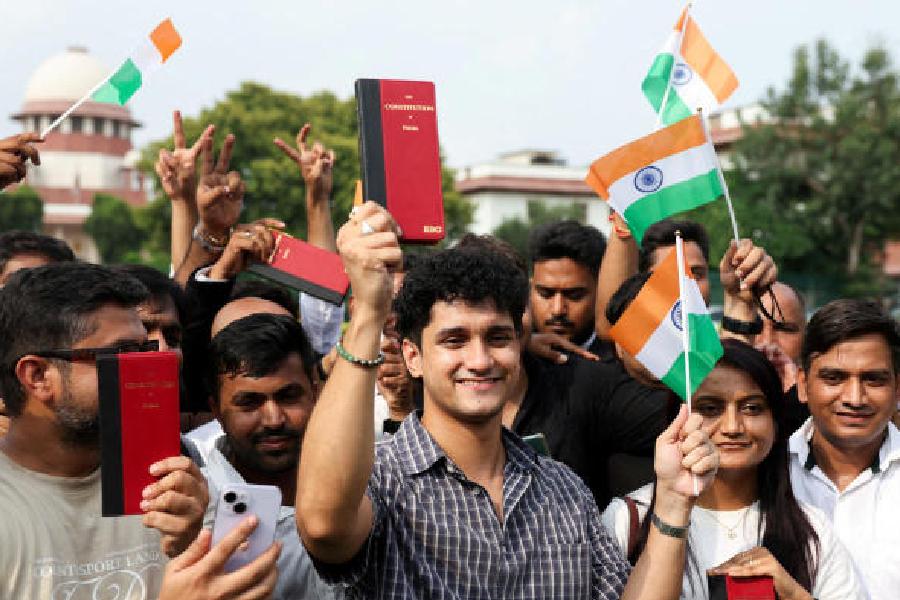
Supreme Court Quashes Student Protest FIRs, CJP Withdraws March
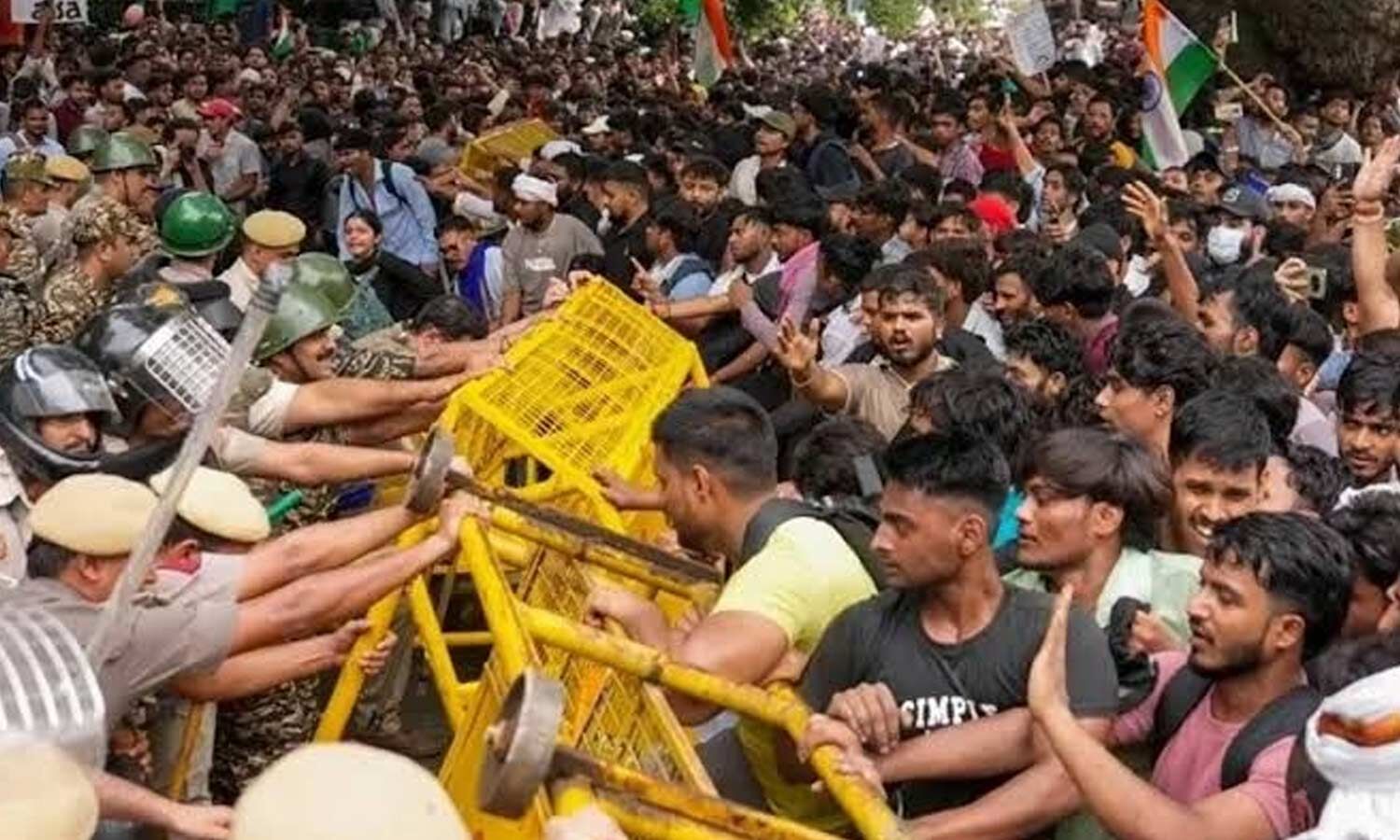
Supreme Court Quashes NEET Protest FIRs, CJP Calls Off March

LPG, CNG and PNG Rates Listed Amid Gas-Supply Concerns
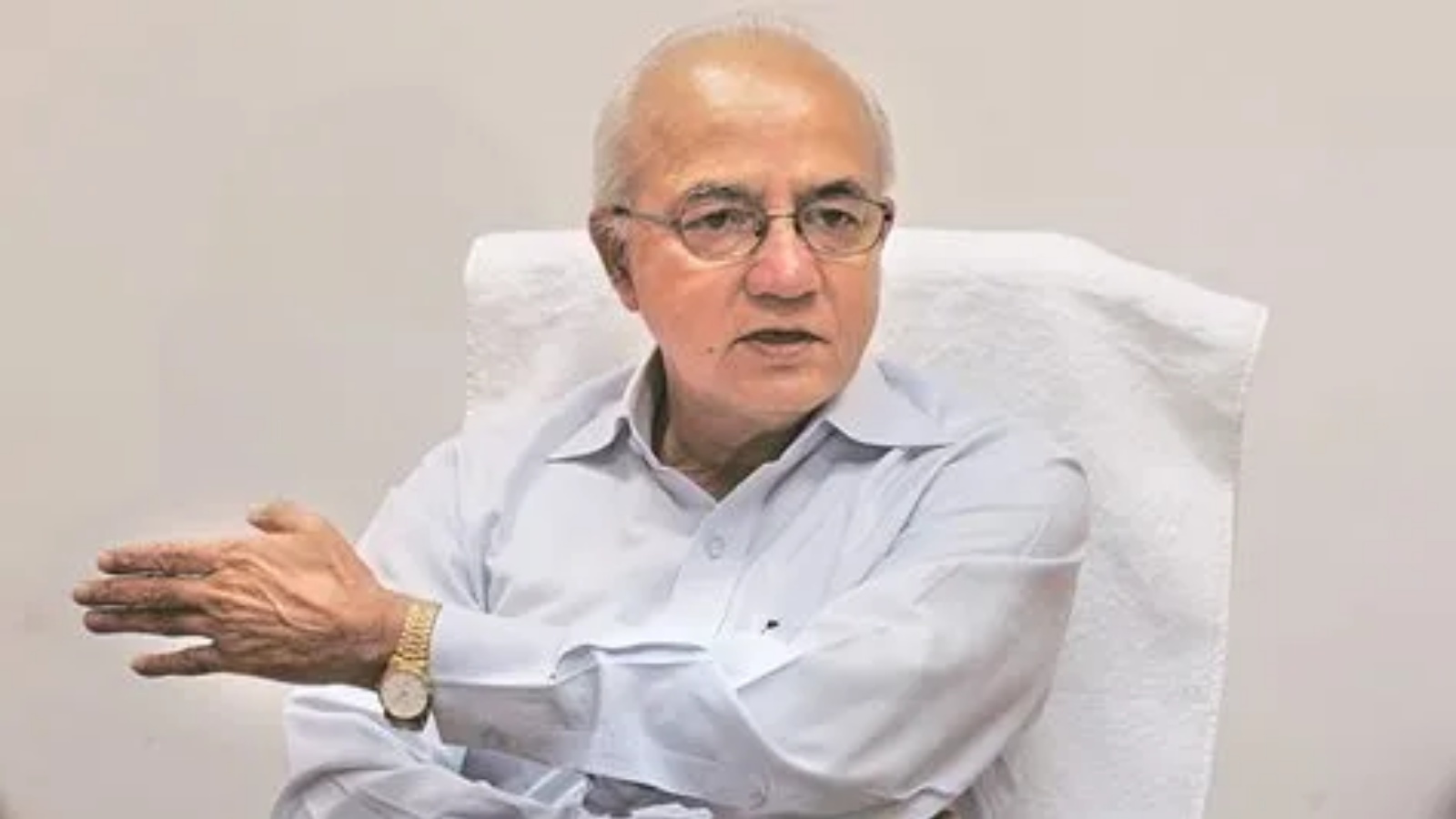
Colleagues Remember Former Delhi Chief Secretary Rakesh Mehta

Uttar Pradesh to Challenge High Court’s Akriti Detention Ruling

Raja Venkatraman Highlights Pine Labs Stock Outlook for September 10