

2 hrs ago
Reshoring Strains Factory Capacity, But Process Fixes Reveal Hidden Room
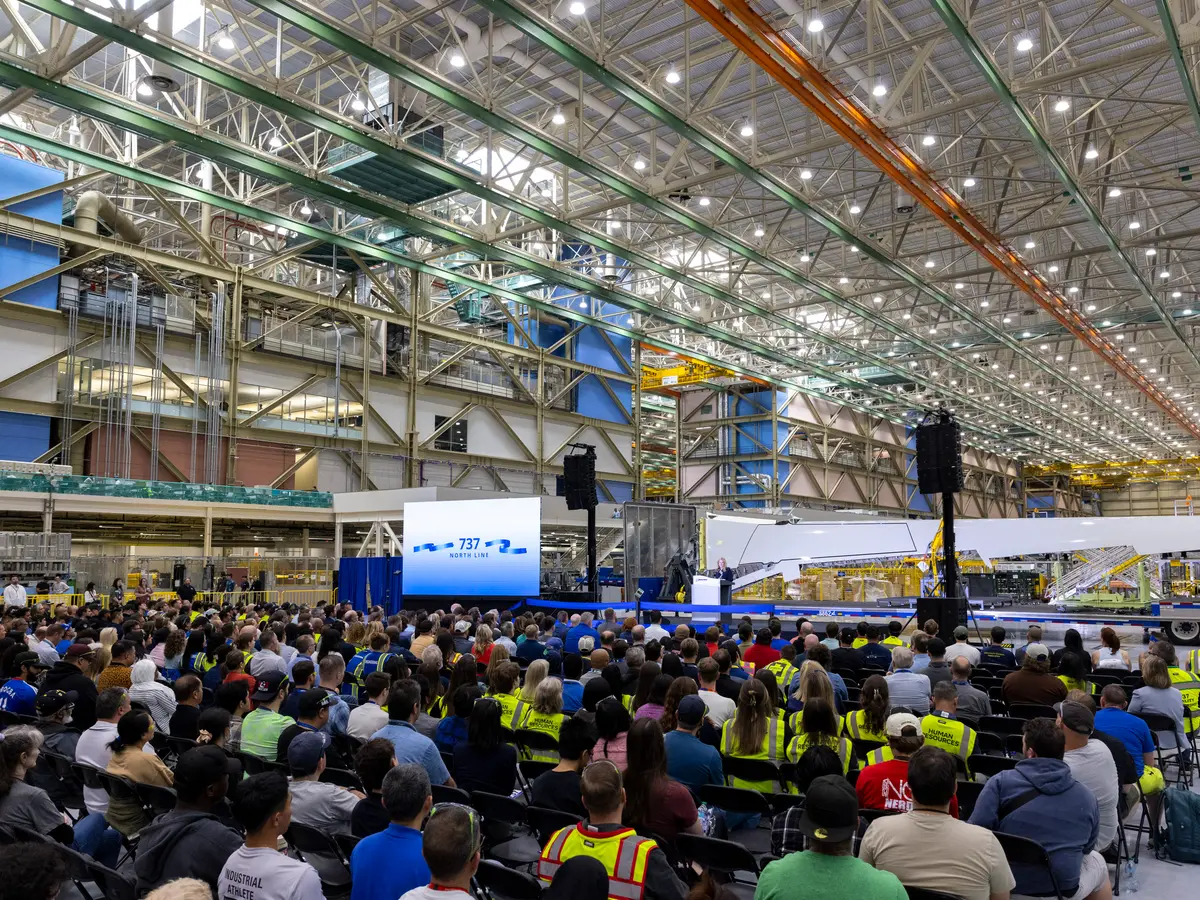
American companies are bringing more manufacturing back home.
But many factories are not ready to handle all the extra work.
Their storage areas may be poorly organized, and their computer records may not match what is actually on the shelves.
Sai Prasad Ravulapally says factories can often find more capacity by fixing these basic problems.
In one example, better racks created much more storage space in the same building.
In another, better use of existing software helped workers find materials and reduced stoppages.
A system using labeled bins instead of paper cards also reduced shortages.
His main idea is to fix the way a factory works before buying expensive new technology.

American reshoring is increasing production demands faster than many existing factories can absorb them.
Sai Prasad Ravulapally says poor layouts, inaccurate inventory records and inefficient processes conceal 30% to 100% of effective capacity.
A warehouse redesign reportedly more than doubled pallet positions and reduced rented trailers by over 85% without building a new facility.
ERP process changes reportedly raised inventory accuracy from about 60% to 98% and reduced material-related downtime from 26% to 2%–3%.
A card-free Kanban system across 12 assembly lines and about 18,600 parts reportedly cut monthly material-shortage downtime by 89%.
- Who
- American manufacturers and continuous improvement manager Sai Prasad Ravulapally.
- What
- Factories are trying to absorb reshoring-related production increases while using process improvements to uncover existing capacity.
- Where
- American manufacturing facilities; the specific plant locations are not identified.
- When
- The article does not specify a publication date; the cited projects occurred before the article was written.
- Why
- Reshoring is increasing production demands, while inefficient layouts, inaccurate records and unreliable replenishment systems limit factory output.
Key facts
- Estimated hidden capacity
- Ravulapally estimates typical facilities may have 30% to 100% more effective capacity than they recognize.
- Warehouse redesign
- A racking redesign reportedly more than doubled pallet positions and reduced rented trailers by more than 85%.
- Warehouse project payback
- The warehouse project reportedly paid for itself in less than 18 months.
- Inventory accuracy
- An ERP-based process change reportedly improved inventory accuracy from approximately 60% to 98%.
- Production downtime
- Material-related downtime reportedly fell from 26% to between 2% and 3% after ERP process changes.
- Kanban rollout
- A three-bin Kanban system was implemented across 12 assembly lines and approximately 18,600 parts.
- Kanban result
- Replacing physical cards with permanently labeled bins reportedly reduced monthly material-shortage downtime by 89%.
Quotes
Sai Prasad Ravulapally
Continuous improvement manager with experience in production, warehousing, and plant-wide improvement leadership
“American manufacturing capacity is not just a question of building factories. It is a question of whether existing floors can absorb new volume, and most cannot in their current state.”
 wionews.com
“Many facilities rent their capacity problem, one reasonable decision at a time.”
wionews.com
Sources
Related news

India’s Auto Suppliers Face Inventory and Productivity Challenge
Operational Fixes Could Free Billions for India’s Auto Suppliers

Iran War Pressures US Missile Stocks as Rebuilding Lags

India’s Solar Module Glut Threatens Factories With Low Utilisation

Why AI-Ready Workforces Matter for Modern Manufacturing Productivity

Why Indian Refrigerators Feel Full Despite Unused Capacity

Mount Carmel football on IHSA probation; coach Jordan Lynch suspended
