

1 day ago
US Green Card Rules Change as New Fiscal Year Begins
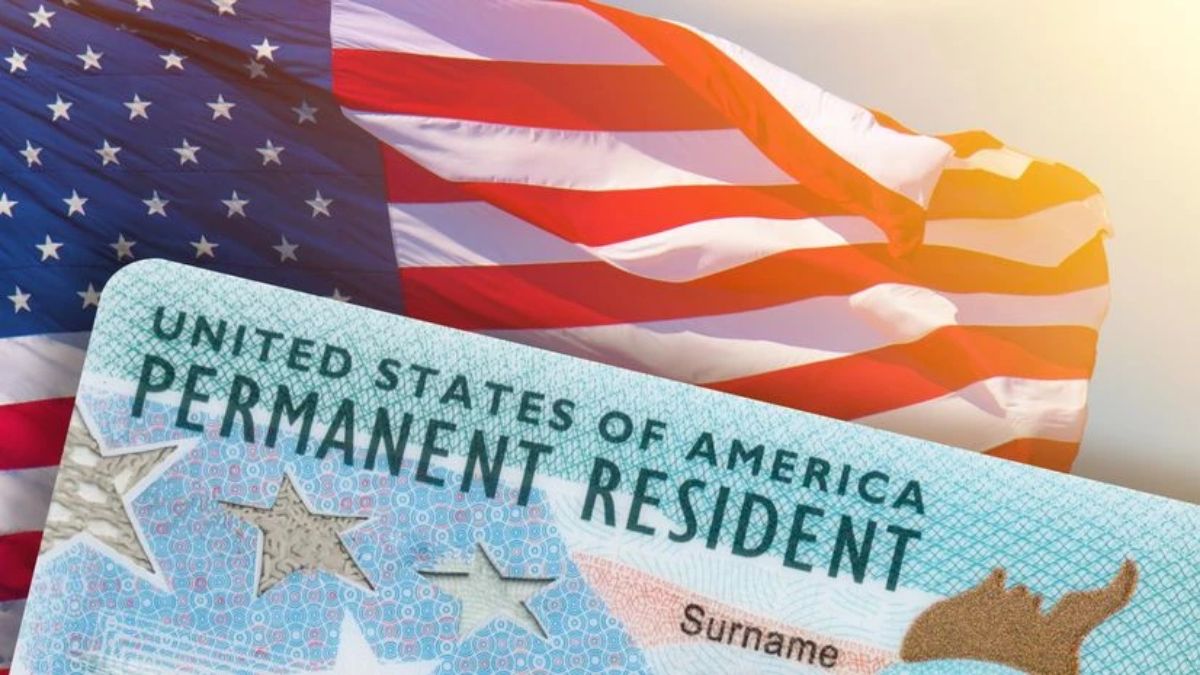
The United States has changed several rules that can affect people applying for green cards.
Each October, a new government year begins and visa numbers become available again.
Some applicants may now file paperwork sooner, but filing does not mean their green card will be approved right away.
Officers will use a broader set of personal and financial details when applying the public-charge rule to certain cases.
Some investor application fees will go up starting November 30.
USCIS is also changing how it handles some deadlines that end on weekends or holidays.
A special category for some religious workers has been extended until December 11.
Applicants should check the rules for their own category because dates and requirements differ.

The 2027 fiscal year began October 1, resetting immigrant visa numbers, while October’s Visa Bulletin moved some priority dates forward and others backward.
USCIS selected the Dates for Filing chart for October, allowing eligible applicants to file Form I-485 before their priority date reaches the Final Action Date.
A broader public-charge standard took effect September 18, expanding the circumstances immigration officers may consider for certain applicants.
EB-5 filing fees will rise for petitions postmarked on or after November 30, including new fees for Forms I-526, I-526E, I-829 and I-527.
USCIS is changing deadline calculations from October 23; the article also notes a religious-worker category extension through December 11 and guidance on discretionary I-485 reviews.
- Who
- Family-sponsored and employment-based green card applicants, EB-5 investors, certain religious workers, and people filing adjustment-of-status applications.
- What
- Several visa-date, public-charge, fee, filing-deadline, and adjustment-of-status policy changes are taking effect.
- Where
- United States immigration system.
- When
- The changes take effect on different dates, including September 18, October 1, October 23, November 30, and December 11, 2026.
- Why
- The changes follow the start of the new federal fiscal year and updates to immigration rules, fee schedules, and USCIS guidance.
Key facts
- Fiscal year
- The 2027 US fiscal year began October 1.
- October I-485 chart
- USCIS selected the Dates for Filing chart for all family-sponsored and employment-based preference categories.
- Public-charge rule
- The broader standard took effect September 18, 2026, for covered applications submitted or postmarked on or after that date.
- EB-5 fee effective date
- New fees apply to petitions postmarked on or after November 30.
- I-526 fee
- The standalone EB-5 investor filing fee rises from $3,675 to $7,615.
- Deadline policy
- USCIS's revised interpretation takes effect October 23; extensions apply to certain day-counted paper deadlines, but not online filings.
- Religious-worker category
- The EB-4 Certain Religious Workers category is extended through December 11, 2026.
Sources
Related news
October 2026 Visa Bulletin Brings Mixed Green Card News

USCIS Green Card Rules Change for Applicants Starting September 18
New U.S. Green Card Public Charge Rules Take Effect

Nine 2026 H-1B Rule Changes Affecting U.S. Visa Workers
New US Green Card Rules Expand Public-Charge Scrutiny

New U.S. Immigration Rules Prompt Indians to Reconsider American Dream

Russian Lab Technician Dies After Pneumonia; US Monitors Unconfirmed Reports

Russian Lab Worker’s Death Raises Pneumonic Plague Fears
US Visa Bond Rule Covers 50 Countries, Excludes India
US Expands Social Media Screening to More Visa Applicants
