4 hrs ago
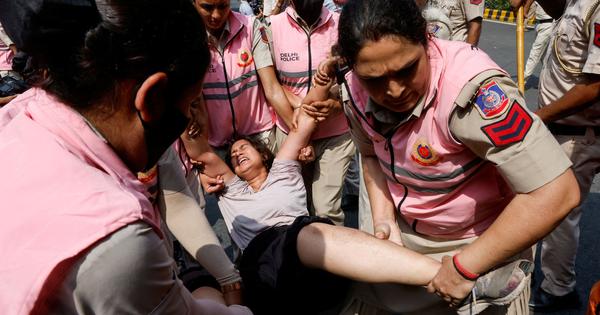
Delhi’s Extensive Protest Preparations Raise Questions About Dissent
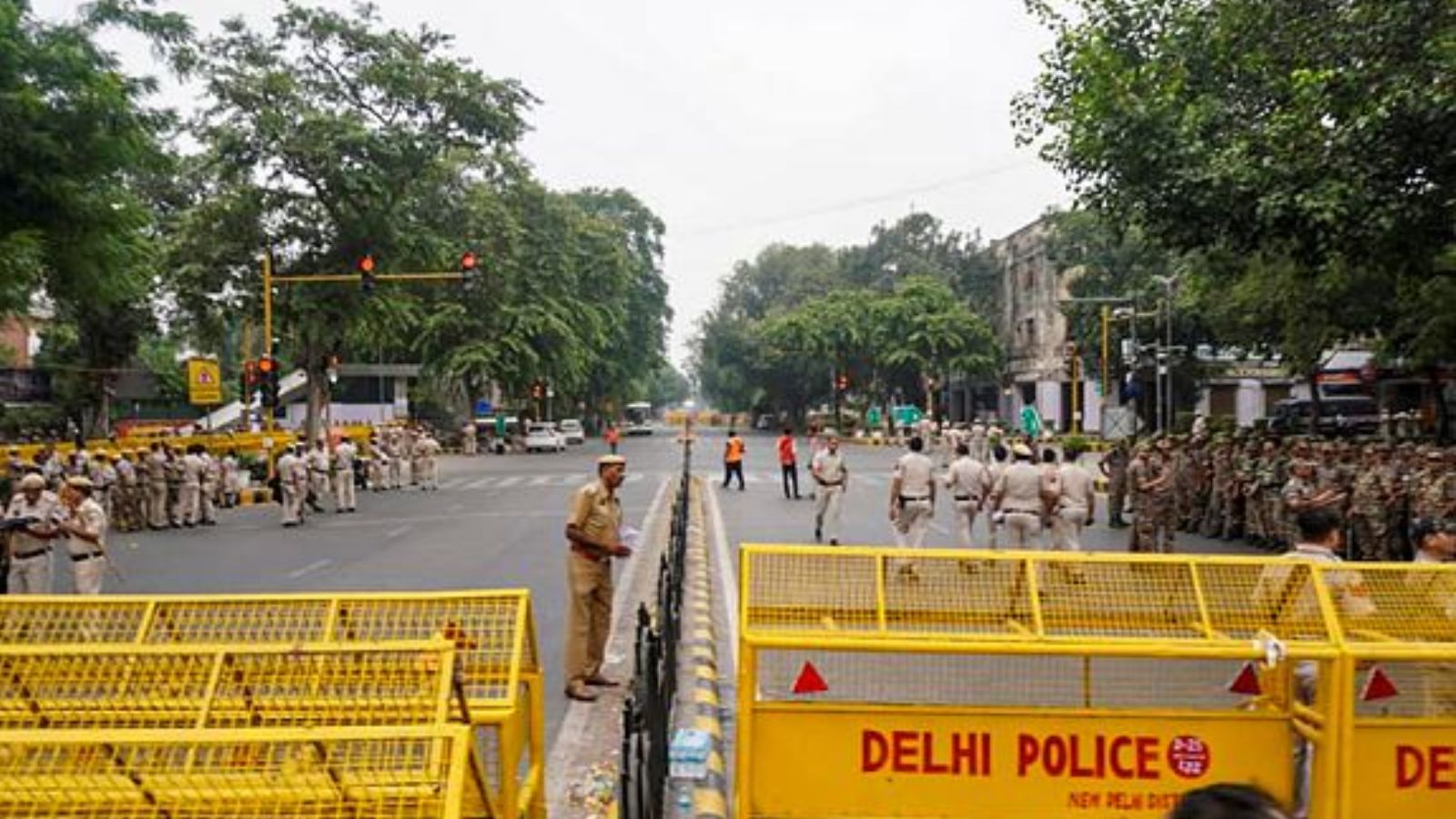
Delhi authorities prepared extensively for a protest planned for October 10.
Police announced a security plan and several transport and access restrictions.
They also prepared detention centres and watched the city’s borders.
Police said the goal was to prevent trouble and keep people safe.
They said they had learned lessons from a protest in July.
The writer agrees that officials should prepare for possible problems.
But the writer asks whether these steps went too far and made it harder for people to protest.
The article also compares the preparations with those for recent protests led by Congress.
It argues that people should be able to protest without feeling treated as enemies.

Delhi Police announced a 37-point security plan across the New Delhi district ahead of an October 10 protest.
Measures included railway cancellations, metro gate closures, limits on new hotel bookings, detention preparations and closer border monitoring.
About 23,000 Central Armed Police Forces personnel were made available to Delhi Police.
Police said they sought to prevent crowd mobilisation and maintain law and order, citing lessons from July’s NEET protest.
The article questions whether the restrictions were necessary and proportionate, especially compared with preparations for recent Congress-led demonstrations.
- Who
- Delhi Police and other authorities prepared for an October 10 protest; the article does not identify its organizers.
- What
- Authorities announced extensive security measures, prompting questions about their necessity and effect on the right to protest.
- Where
- Delhi, including the New Delhi district and areas around railway stations, metro stations and city borders.
- When
- Ahead of the protest scheduled for October 10; the year is not specified.
- Why
- Police said the measures aimed to prevent crowd mobilisation and maintain law and order, drawing on lessons from a July protest.
Public order rationale
Concerns about restrictions
Extent of security measures
Public order rationale
Police said they were preparing to prevent crowd mobilisation and maintain law and order, informed by perceived lapses during the July protest.
Concerns about restrictions
The writer questions whether the scale of restrictions was necessary and proportionate to the anticipated threat.
Protest and public safety
Public order rationale
Authorities have a responsibility to anticipate possible trouble rather than respond only after it occurs.
Concerns about restrictions
The article argues that extensive pre-emptive controls risk making the right to protest feel like defiance against the state.
Different protest responses
Public order rationale
The article notes that the Congress demonstrations also involved barricading, a heavy police presence and detentions.
Concerns about restrictions
The writer questions why the October 10 protest prompted broader advance restrictions than the recent Congress-led demonstrations.
Key facts
- Security plan
- Delhi Police put in place a 37-point plan across the New Delhi district.
- Rail services
- Trains to and from New Delhi and Hazrat Nizamuddin stations were cancelled for 10 hours.
- Metro access
- Entry and exit gates at dozens of metro stations were ordered shut.
- Security personnel
- Around 23,000 Central Armed Police Forces personnel were made available to Delhi Police.
- Other preparations
- Authorities prepared detention centres, monitored Delhi’s borders and asked hotels and guest houses to restrict fresh bookings.
- Police rationale
- Police said they aimed to prevent crowd mobilisation and maintain law and order.
- Comparison in article
- The writer contrasts the advance preparations with recent Congress-led demonstrations, which also involved barricades, heavy police presence and detentions.
Sources
Related news
Tharoor Calls Delhi Curbs on CJP Protest ‘Emer-GenZ’
Tharoor Slams Delhi Security Crackdown Amid Planned Election Protest
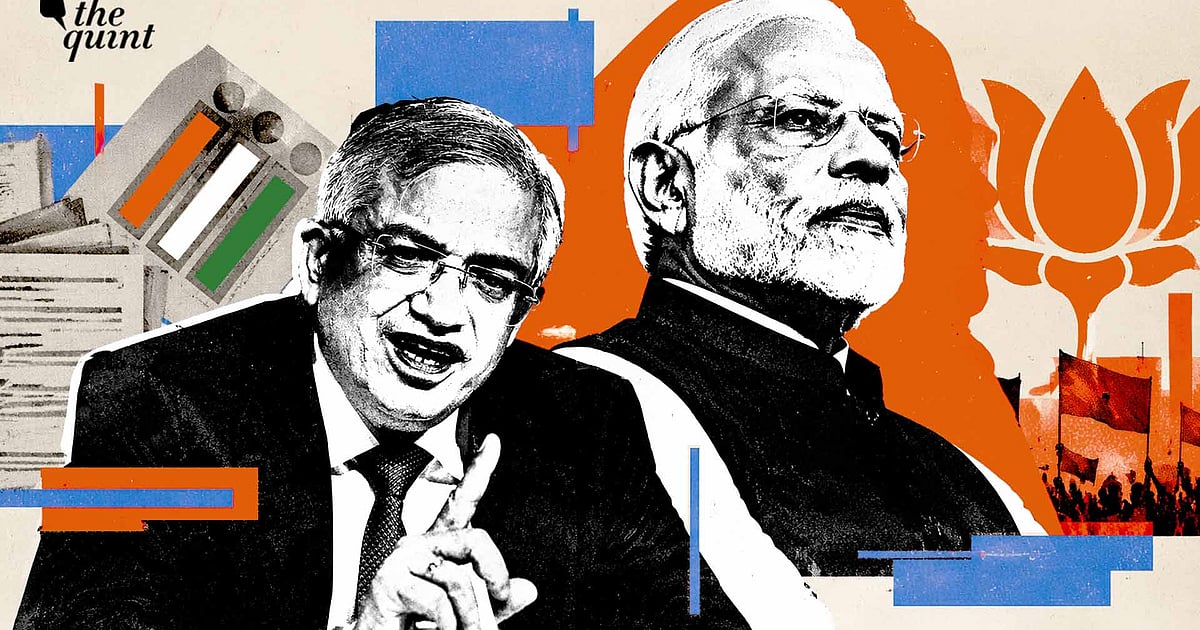
Article Accuses Modi Government of Repressing Delhi Protests

Delhi Deploys Heavy Security Ahead of CJP Jantar Mantar Protest
CJP Protest Sparks Emergency Claims Over Delhi Security Restrictions
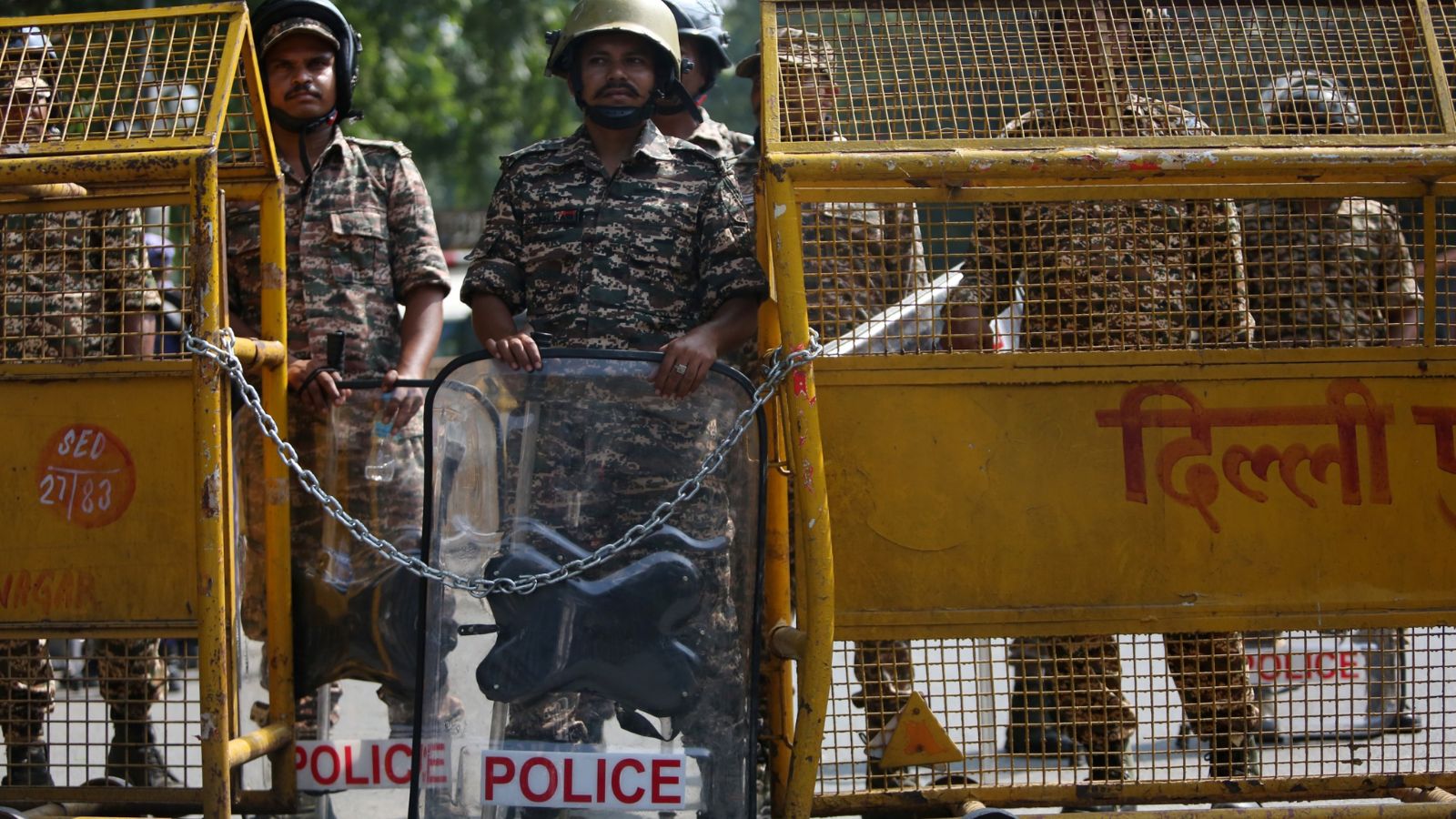
NCP (SP) Criticises Delhi Security Clampdown on Young Protesters
Wangchuk Condemns Delhi Arrests, Warns of Possible Hunger Strike

Imran Khan Detained at Mumbai Protest Supporting CJP Demonstration

INDI Bloc Plans March to Rashtrapati Bhavan Over CEC

Imran Khan, Zayn Marie Khan Released After Mumbai Protest Detention
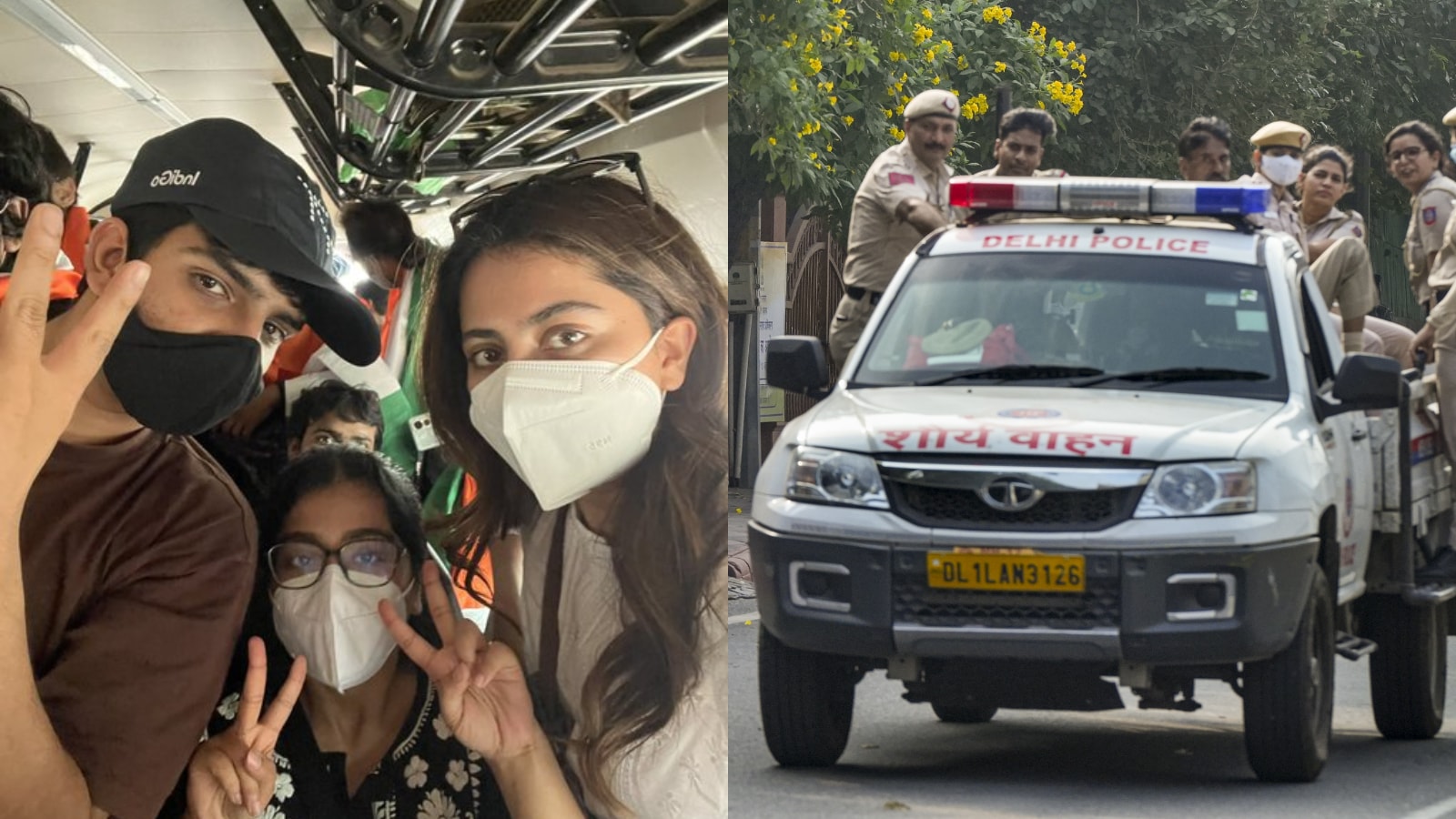
BJP Leader’s Daughter Detained as Delhi Police Restrict Protesters