1 hr ago
Indians Criticize Delhi Crackdown as Others Defend Restrictions
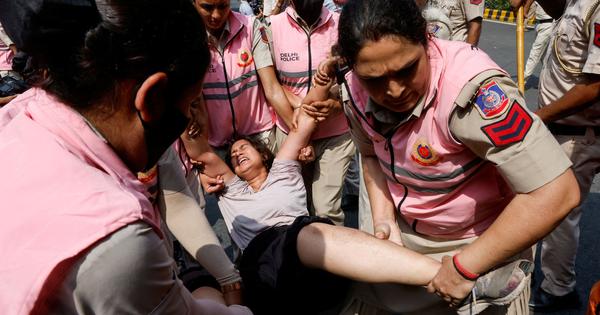
Police in Delhi stopped many people from reaching a place where they wanted to protest.
The protesters were upset about changes to the voter lists and wanted the chief election official to resign.
Some people across India said the police response made it harder for citizens to speak up.
A few people also said they or their family members had trouble getting their names back on voter lists.
One former BJP member said protests should not disrupt public services and that the state must protect public order.
Other people said seeing ordinary citizens protest gave them hope.
A bus driver in Delhi offered protesters and journalists a ride without charging them.
One man who had never protested before said he might join a demonstration in his city.

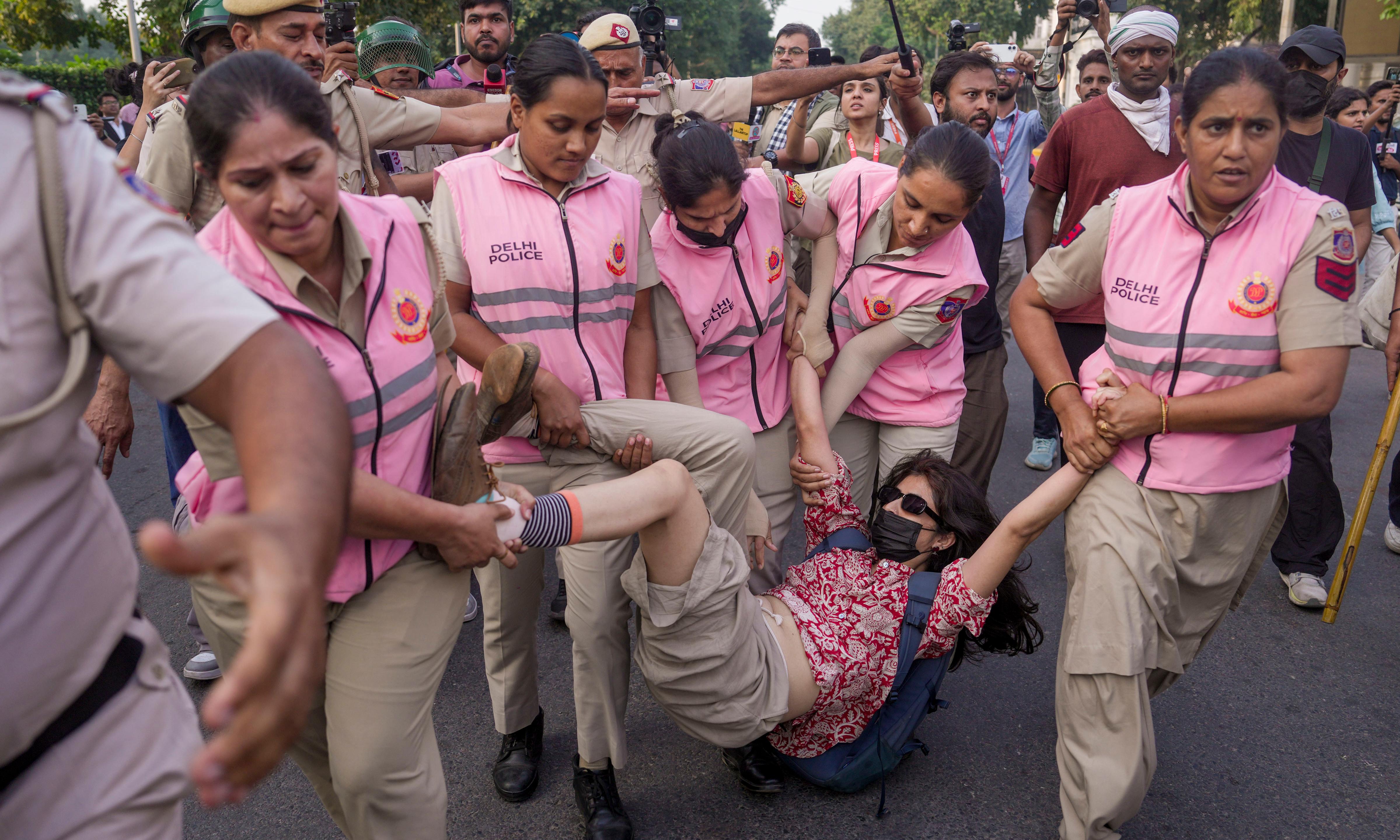
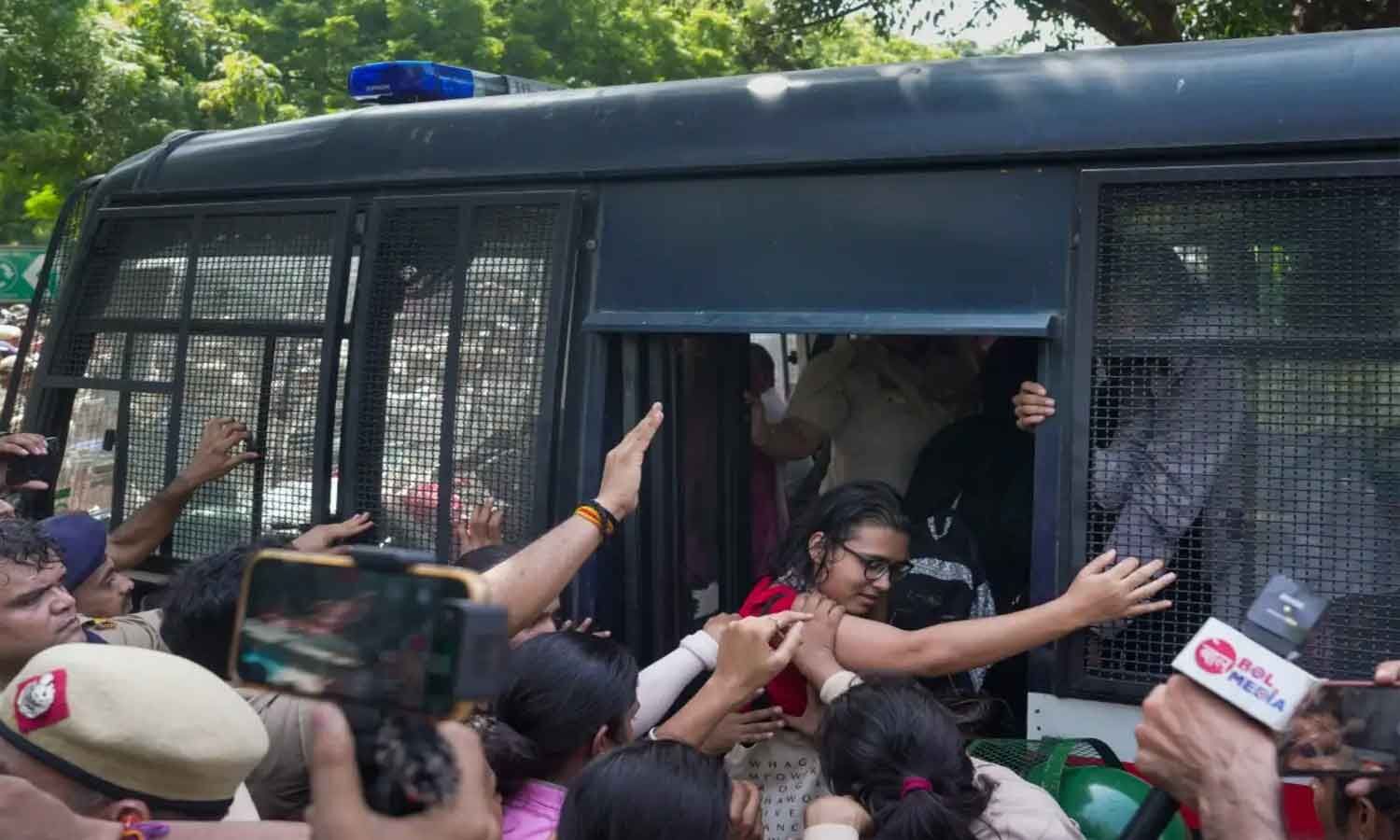
Delhi Police detained thousands of protesters seeking to reach Jantar Mantar, amid barricades, transport disruptions and an internet suspension.
The protesters were demanding Chief Election Commissioner Gyanesh Kumar’s resignation over the Special Intensive Revision of electoral rolls.
The article says 13 crore names were removed from the draft voter list; several interviewees described difficulties restoring names.
Many people interviewed called the police response an alarming restriction on dissent, while one former BJP member stressed public order and lawful limits.
Some interviewees said the protest movement had gained broader public support, and one Indore resident said he may join a future demonstration.
- Who
- Delhi protesters, police, and people interviewed across India; the protesters were demanding Chief Election Commissioner Gyanesh Kumar’s resignation.
- What
- Police detained protesters and restricted access and services as demonstrations opposed the Special Intensive Revision of electoral rolls.
- Where
- Delhi, including the area around Jantar Mantar; interviewees also discussed events in other Indian cities.
- When
- Saturday; the article does not specify a date.
- Why
- The protests called for Gyanesh Kumar’s resignation over the electoral-roll revision, which the article says removed 13 crore names from the draft list.
Critics of the crackdown
Arguments for public-order restrictions
Police restrictions on protest
Critics of the crackdown
Interviewees described the detentions, barricades and limits on movement as suppressing dissent and making peaceful assembly difficult.
Arguments for public-order restrictions
Dharmendra Deb said the right to protest must be balanced with maintaining public order, protecting citizens and keeping essential services operating.
Electoral-roll revision
Critics of the crackdown
Several interviewees said voter names had been removed or were difficult to restore, and supported demands for answers and opposition to the revision.
Arguments for public-order restrictions
The article does not provide a defense of the electoral-roll revision from its proponents; Deb’s comments address protest restrictions rather than the revision itself.
Key facts
- Protest location
- Jantar Mantar, Delhi
- Protest demand
- Chief Election Commissioner Gyanesh Kumar’s resignation
- Electoral exercise
- Special Intensive Revision (SIR) of electoral rolls
- Draft-list removals
- 13 crore names, according to the article
- Police response
- The article reports thousands detained, barricades, an internet suspension and metro services halted at 45 stations.
- Alternative view
- Advocate Dharmendra Deb said public order and protecting citizens are also state duties, and protests do not excuse disruption of essential services.
Quotes
Priyadarshini Chitrangada
A Kolkata-based gender rights activist.
“No protest gives anyone immunity from lawful restrictions or the authority to disrupt essential public services.”
 scroll.in
“Jantar Mantar exists precisely because democracies need spaces where citizens can assemble and express dissent.”
scroll.in
Sources
Related news
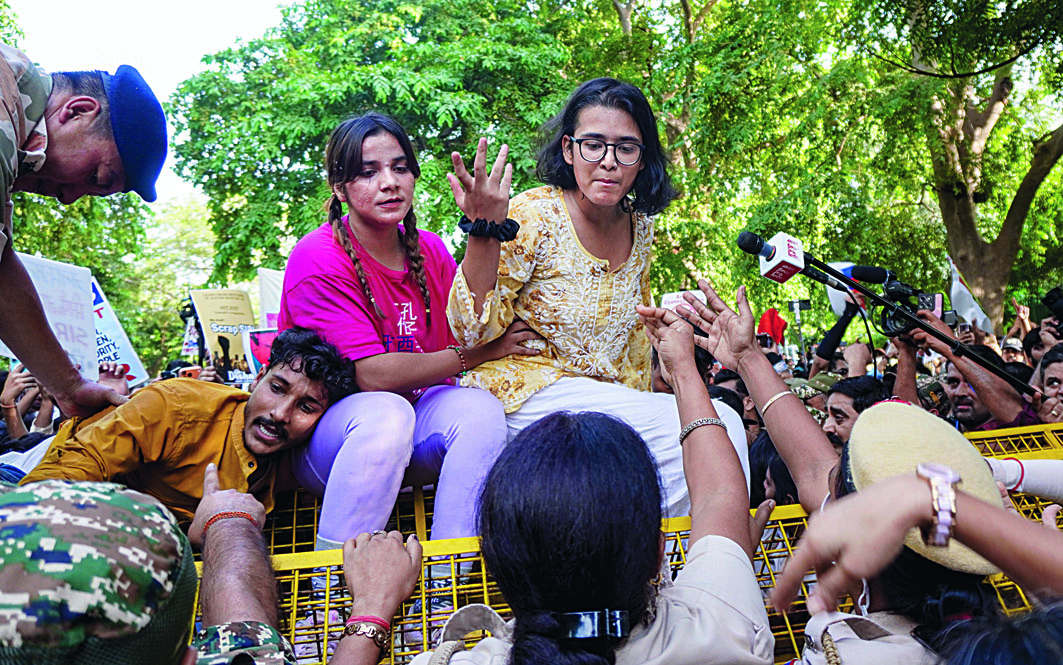
Protests Escalate as Demonstrators Demand Election Chief’s Resignation
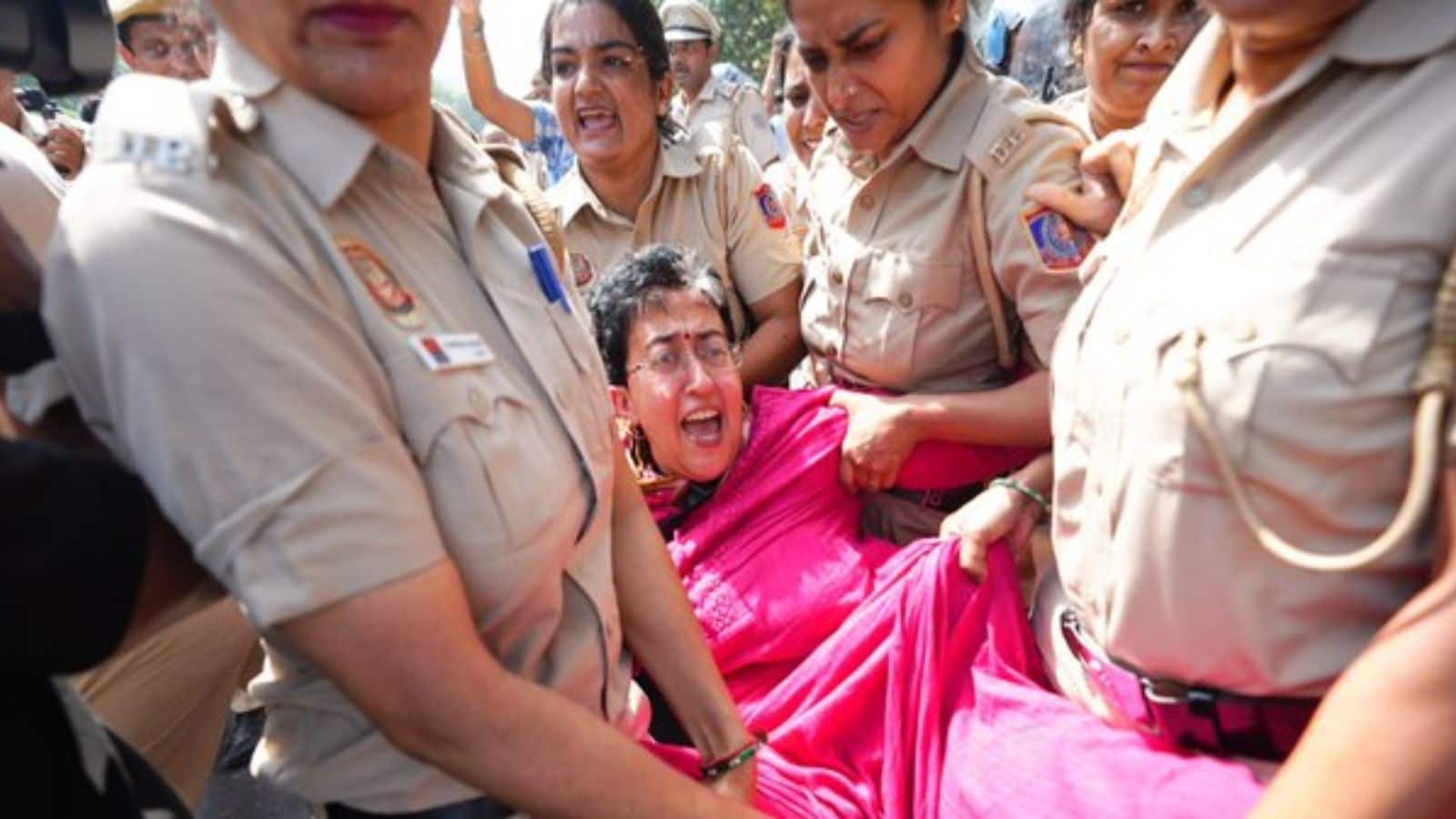
Protests Spread Across India Over CEC Gyanesh Kumar
Maharashtra Opposition Condemns Detentions at Delhi Election Protest
AAP and Student Protesters Detained at Delhi Rally
Tharoor Calls Delhi Curbs on CJP Protest ‘Emer-GenZ’

Delhi Lockdown as Protesters Demand Election Chief’s Resignation
Bihar NDA Allies Split Over Centre’s Handling of Delhi Protest
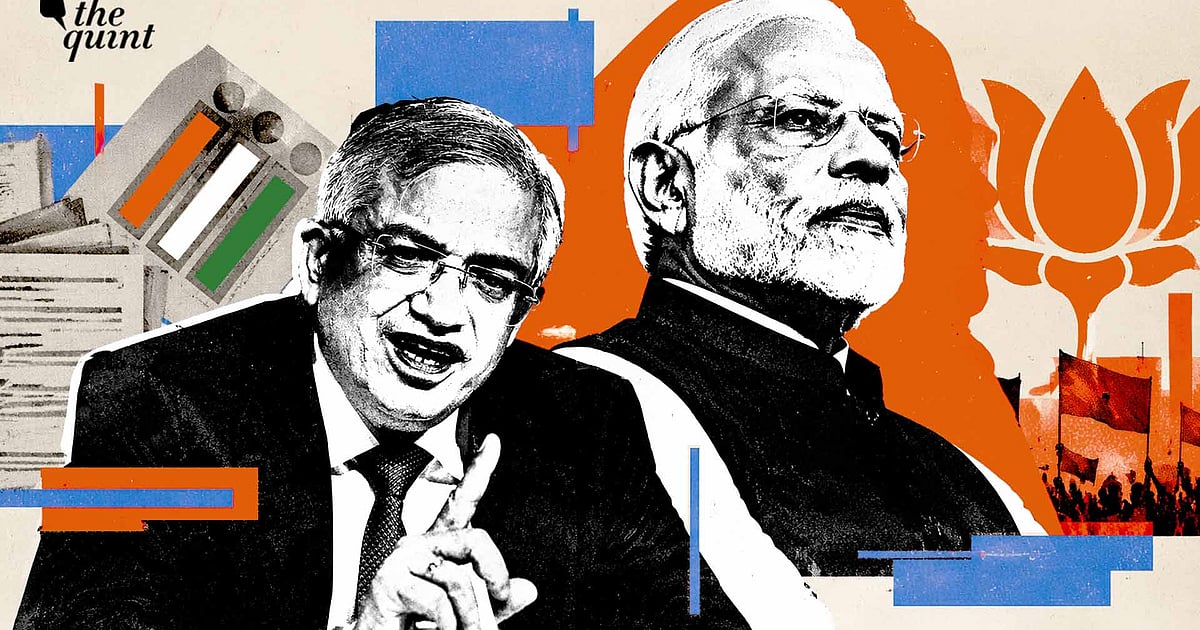
Article Accuses Modi Government of Repressing Delhi Protests
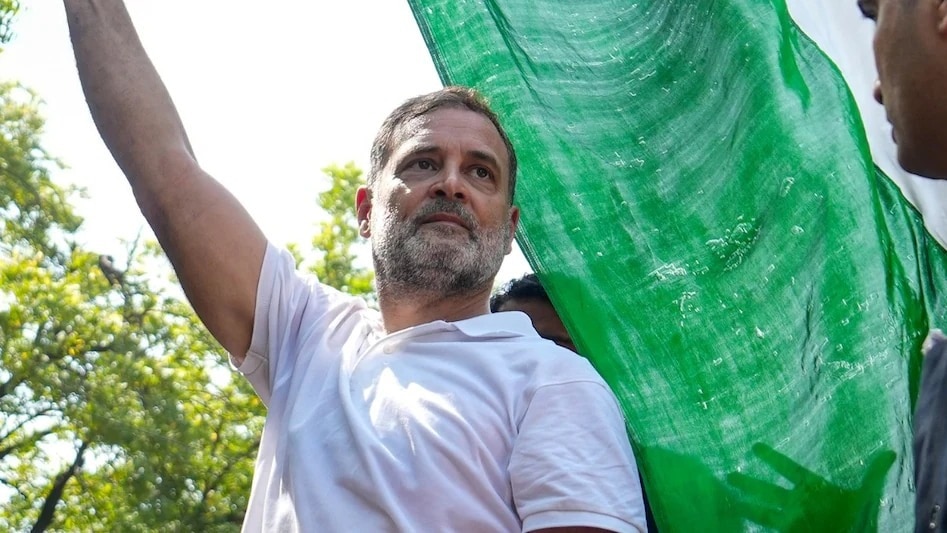
Rahul Gandhi Vows to Defend Constitution Amid Youth-Led Protests
Radhakrishnan Says Viksit Bharat Depends on Every Village Developing