18 hrs ago
Information Overload Threatens Reflection in a Reactive World
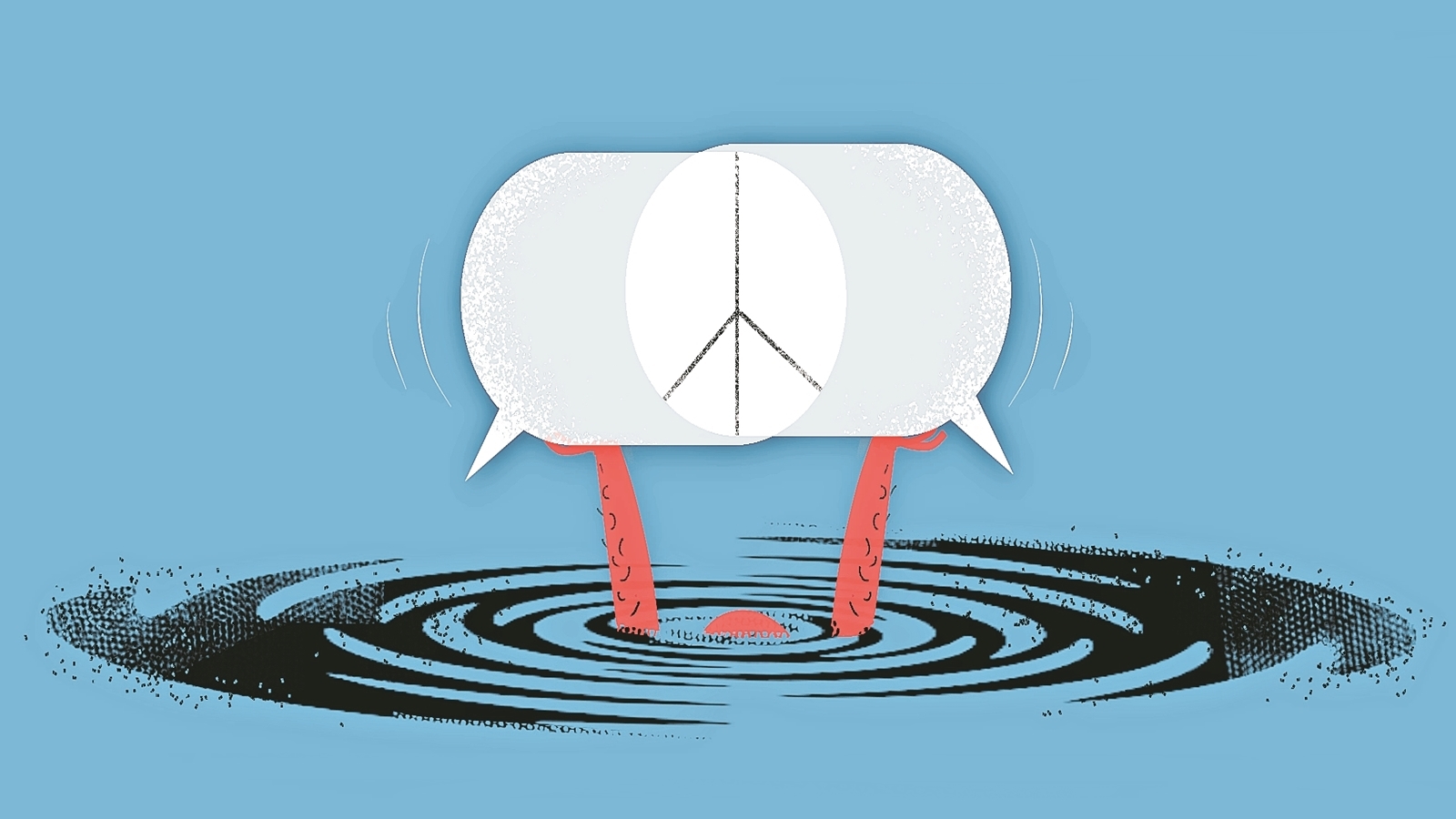
We receive huge amounts of information every day.
This helps us learn and communicate quickly.
But it can also make us react before we think carefully.
People may quickly judge headlines, videos, or opinions.
Seeing suffering repeatedly on screens can make people feel tired and less compassionate.
Terrible events may start to seem ordinary.
The article warns that people can then be reduced to labels such as nationality, religion, or political belief.
It says we need quiet time to think about other people as complicated human beings.

People can access news, facts, and communication faster and more easily than ever.
The article argues that abundant information leaves less time for genuine thinking and reflection.
Martin Heidegger warned nearly 60 years ago that societies might prioritize calculation over thoughtful reflection.
Headlines, viral videos, and controversial opinions often encourage immediate judgment instead of careful consideration.
Constant exposure to suffering may exhaust compassion and make people view others mainly through labels.
- Who
- Modern societies and people who consume large amounts of information; the article also refers to Martin Heidegger.
- What
- The article argues that information overload encourages reaction and judgment while reducing time for reflection and compassion.
- Where
- Through digital screens and connected communication across continents.
- When
- In contemporary life; Martin Heidegger issued a related warning nearly 60 years ago.
- Why
- Constant streams of information and suffering can exhaust attention and compassion, making it easier to categorize people instead of understanding them.
Key facts
- Central issue
- Information abundance may leave less time for genuine thinking.
- Historical reference
- Martin Heidegger warned nearly 60 years ago about the difference between calculating and thinking.
- Modern behavior
- Headlines, viral videos, and opinions often prompt immediate approval, condemnation, or classification.
- Effect of repeated suffering
- Continuous exposure to war, poverty, cruelty, and disaster may exhaust compassion.
- Risk to perception
- People may become indifferent to strangers’ suffering.
- Dehumanizing tendency
- Individuals can be reduced to categories such as religion, caste, nationality, ideology, or political affiliation.
Sources
Related news

Why Frictionless AI May Weaken Independent Thinking Habits

Six Books for Creating Space Before You React

Editorial Warns AI Convenience Could Erode Human Reasoning

Alice Feeney Quote Offers Perspective on Living

Artificial Intelligence Challenges How We Read and Use Books

Quiet Mornings May Help Brains Avoid Early Digital Overload

AI Song 'Oye Hoye Kya Scene Hai' Sparks Copyright Questions