

1 week ago
Mumbai’s Marathi Driver Rule Reshapes Commuting, Exposes Training Gaps

Mumbai has started checking whether taxi and autorickshaw drivers know Marathi.
The rule is meant to help drivers and passengers communicate better.
Some drivers are avoiding places where checks happen or are not working for a while.
This has caused fewer vehicles in some parts of the city.
Many drivers are migrants who help keep Mumbai moving and have helped build the city.
Training was offered, but some lessons used formal Marathi instead of everyday speech.
Drivers were later told to find extra lessons themselves.
Critics say the government should provide useful training before enforcing the rule.
They also say safety checks, such as checking vehicle fitness and underage driving, may be more urgent.

Mumbai’s enforcement drive requires autorickshaw and taxi drivers to demonstrate working knowledge of Marathi.
Some drivers are changing routes, temporarily withdrawing vehicles, or avoiding checks near stations and commercial centres.
The policy has reportedly contributed to shortages in parts of the city and altered commuting patterns.
Critics say government training often taught formal Marathi rather than the colloquial language needed for everyday driving work.
The article argues that practical language training and stronger enforcement of vehicle safety should accompany or take priority over the rule.
- Who
- Mumbai autorickshaw and taxi drivers, many of whom are migrants, and the Maharashtra government’s transport authorities.
- What
- A drive is enforcing a working-knowledge requirement for Marathi among autorickshaw and taxi drivers.
- Where
- Mumbai, especially near stations and commercial centres, in Maharashtra.
- When
- Recently; the articles do not provide a specific date.
- Why
- The policy is intended to improve communication between drivers and passengers.
Policy Supporters
Policy Critics
Need for a Marathi requirement
Policy Supporters
A working knowledge of Marathi can make communication between drivers and passengers easier and is therefore a practical requirement for a public service vehicle.
Policy Critics
The requirement is difficult to apply fairly in a migrant-dependent city unless drivers receive accessible training in the language used in everyday Mumbai conversations.
Enforcement priorities
Policy Supporters
Checking language ability can help address communication problems between drivers and passengers.
Policy Critics
Limited enforcement capacity would serve the public more immediately if directed toward underage driving, vehicle fitness, and other direct safety threats.
Training and compliance
Policy Supporters
Training programmes were conducted to help drivers meet the requirement.
Policy Critics
Critics say the training was often too formal, and requiring drivers to arrange their own tutorials leaves a gap between the mandate and the means to comply.
Key facts
- Policy requirement
- Drivers of autorickshaws and taxis are expected to have a working knowledge of Marathi.
- Reported driver response
- Some drivers are changing routes to avoid checks, while others are temporarily withdrawing vehicles.
- Commuting impact
- Some areas have reported shortages of autorickshaws and taxis.
- Training concern
- Training sessions reportedly focused substantially on formal or literary Marathi rather than colloquial Mumbai speech.
- Implementation gap
- After government training facilities ended, drivers were told to arrange tutorials themselves.
- Alternative enforcement priorities
- The article identifies underage driving and vehicle fitness as clearer public-safety concerns.
Sources
Related news

Mumbai Marathi Driver Rule Sparks Strikes and Implementation Debate

Maharashtra Marathi Language Mandate Draws Constitutional and Economic Criticism

Mumbai’s Marathi Language Drive Meets a City’s Migrant Reality

SP leader slams Maharashtra govt over Marathi mandate for drivers
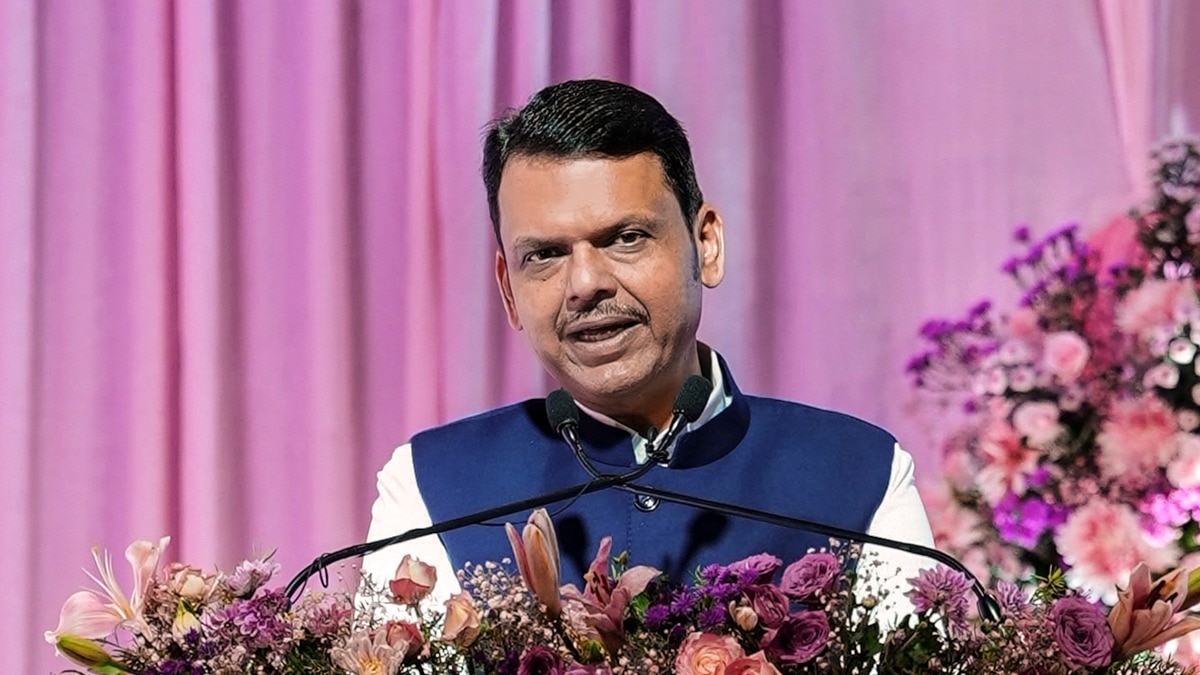
Maharashtra Auto, Taxi Drivers Protest Marathi Licensing Rule

Mumbai Auto Drivers Protest Marathi Rule, Disrupt Commuters
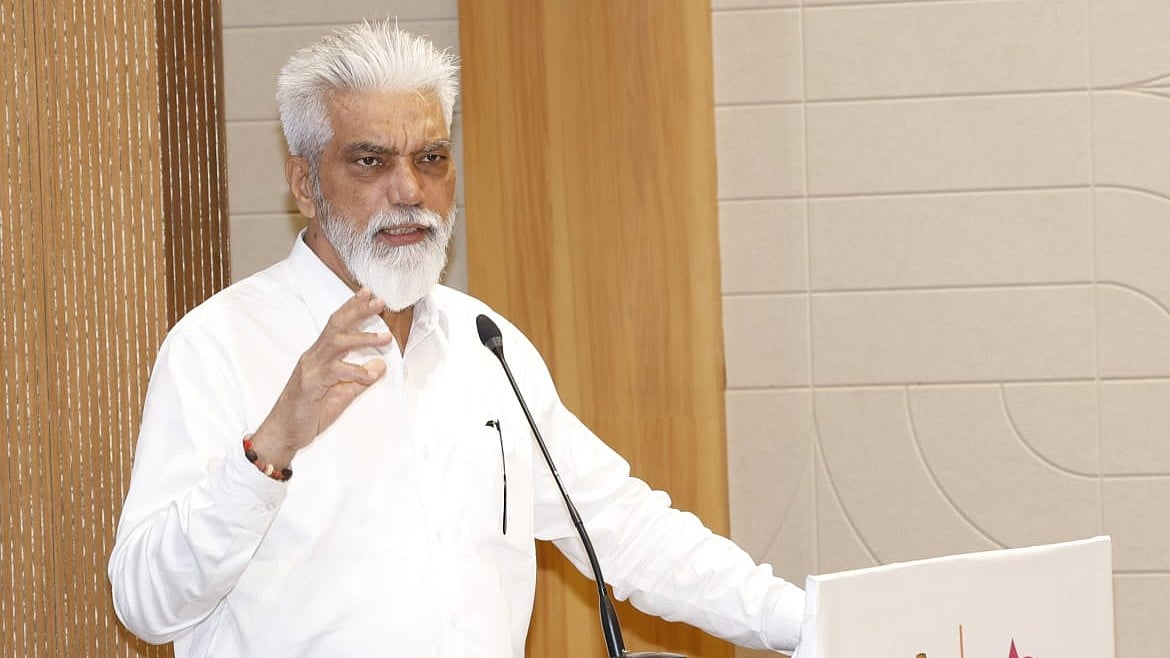
Maharashtra Launches Campaign to Improve Schools and Student Facilities
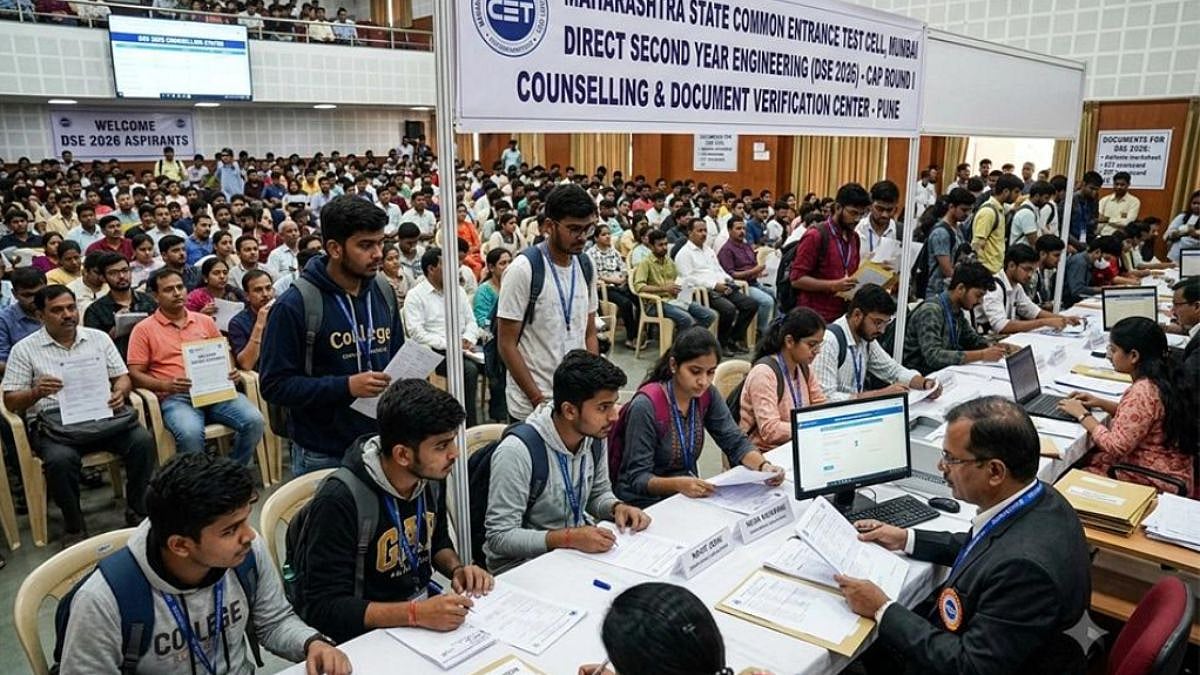
Maharashtra CET Cell Tightens Technical Admissions With Transparency Measures
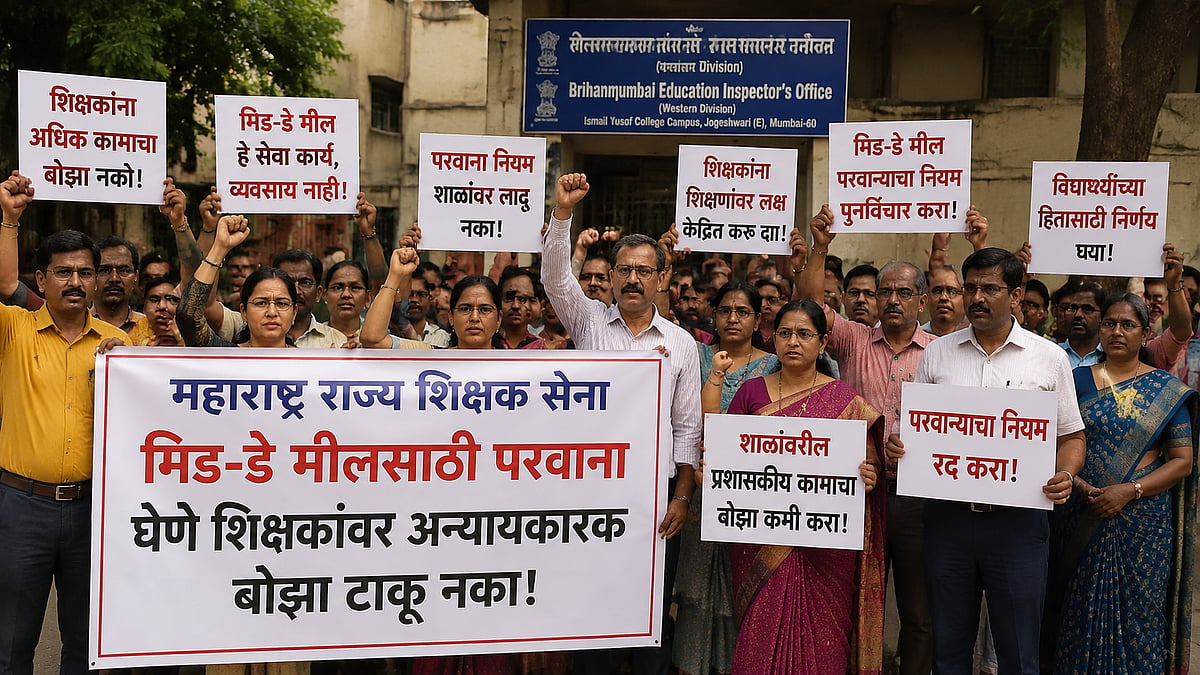
Maharashtra Teachers Protest Food Licence Rule For Mid-Day Meals
Maharashtra, Australia Plan Biomanufacturing Task Force for Joint Growth

Lodha Urges Schools to Prioritize Welfare, Skills and Drug Prevention
