2 days ago
Punjab Power Crisis Deepens as Coal Supplies and Generation Falter
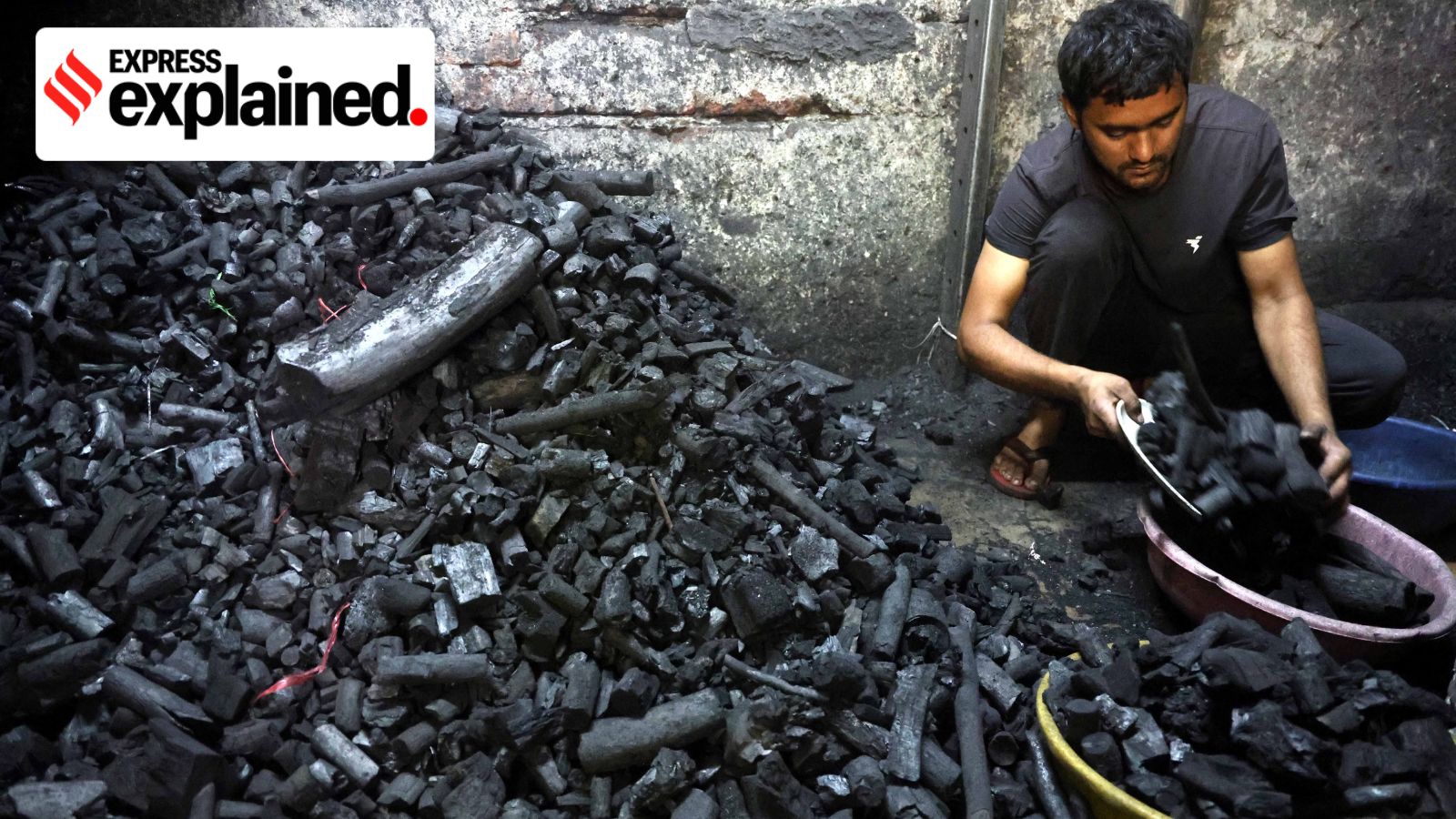
Punjab is using more electricity because farmers need to water paddy crops and the weather has stayed hot.
Some of Punjab’s power plants have not been able to produce as much electricity as expected.
Coal supplies from a mine in Jharkhand were interrupted by heavy rain and transport problems.
Workers at some state plants also went on strike for about a month.
Two private plants continued producing power for much of the summer, but their coal supplies later became low.
The state has therefore had to restrict electricity for factories, homes and farms.
It also bought more expensive electricity from the market.
Punjab’s government blames temporary coal problems, while the Centre says enough coal has been made available.

Punjab’s electricity demand reached about 17,000 megawatts during the paddy season and lingering summer heat.
The state-owned thermal plants at Ropar and Lehra Mohabbat generated below their available capacity from June through August.
Coal supplies from the Pachhwara mine were disrupted by heavy rain, transport problems and unavailable loading equipment.
Private plants Nabha Power and Talwandi Sabo had coal stocks for roughly seven and four days, respectively, by September 13.
Power restrictions, outages and costly short-term purchases have affected industry, households and agriculture, creating an estimated Rs 389-crore burden over three months.
- Who
- Punjab’s government, the Centre, state and private power plants, and electricity consumers are involved.
- What
- Punjab is experiencing a power shortage linked to high demand, lower thermal generation, disrupted coal supplies and reduced hydropower.
- Where
- Punjab’s power plants, including facilities at Ropar, Lehra Mohabbat, Rajpura and Talwandi Sabo, rely partly on coal from the Pachhwara mine in Jharkhand.
- When
- The shortage intensified during June-August, with low plant operation continuing into early September; coal stocks were reported on September 13 and the Chief Minister spoke on September 14.
- Why
- Demand rose during the paddy season and lingering heat, while coal-mine flooding, transport and labor problems, low hydro generation and plant underutilisation reduced available supply.
Punjab Government’s View
Centre’s View
Main cause of the shortage
Punjab Government’s View
Punjab’s government has attributed the shortage mainly to temporary disruption at the Pachhwara coal mine, where heavy rain flooded parts of the mine and affected mining and transport.
Centre’s View
The Centre has said that adequate coal has been made available to Punjab’s power plants and has disputed the state’s emphasis on a coal shortage.
Condition of coal supplies
Punjab Government’s View
Chief Minister Bhagwant Mann said the shortage was easing and that Coal India Limited had agreed to allow coal from Pachhwara to be used by the private plants after Punjab’s request.
Centre’s View
The Centre’s position, as described in the report, is that coal availability has been adequate, implying that supply alone does not explain the reduced power generation.
Responsibility for the wider crisis
Punjab Government’s View
The state government has highlighted mine flooding, supply disruptions and high demand during the paddy season as major pressures on the system.
Centre’s View
Power-department data indicates that coal was only one factor; low utilisation of state plants, a workers’ strike and reduced hydropower also contributed to the shortage.
Key facts
- Peak demand
- Punjab’s electricity demand reached about 17,000 megawatts.
- Total thermal capacity
- Punjab has around 5,680 megawatts of thermal generation capacity.
- Private-plant capacity
- Nabha Power and Talwandi Sabo together account for around 3,380 megawatts.
- Coal stocks on September 13
- Nabha Power had about seven days of coal, while Talwandi Sabo had about four days.
- Power purchase cost
- Market purchases cost around Rs 6 per unit, compared with an estimated Rs 3.85 per unit for the state’s own generation.
- Estimated added burden
- Short-term power purchases created an estimated additional burden of around Rs 389 crore over three months.
- Recommended coal reserve
- Plants located more than 1,500 kilometres from their coal source are prescribed a three-week coal stock.
Quotes

Bhagwant Mann
Punjab Chief Minister
“The flooding at coal mines in Jharkhand had caused a temporary shortage. I had spoken to Jharkhand Chief Minister Hemant Soren and will visit Ranchi in the next two to four days to thank him.”
 indianexpress.com
Sources
Related news

Punjab power generation falls 1,500 MW amid national coal shortage

Punjab Power Shortage Triggers Long Industrial Electricity Cuts

Ministry Says Punjab Coal Supplies Adequate, Urges Better Mine Offtake
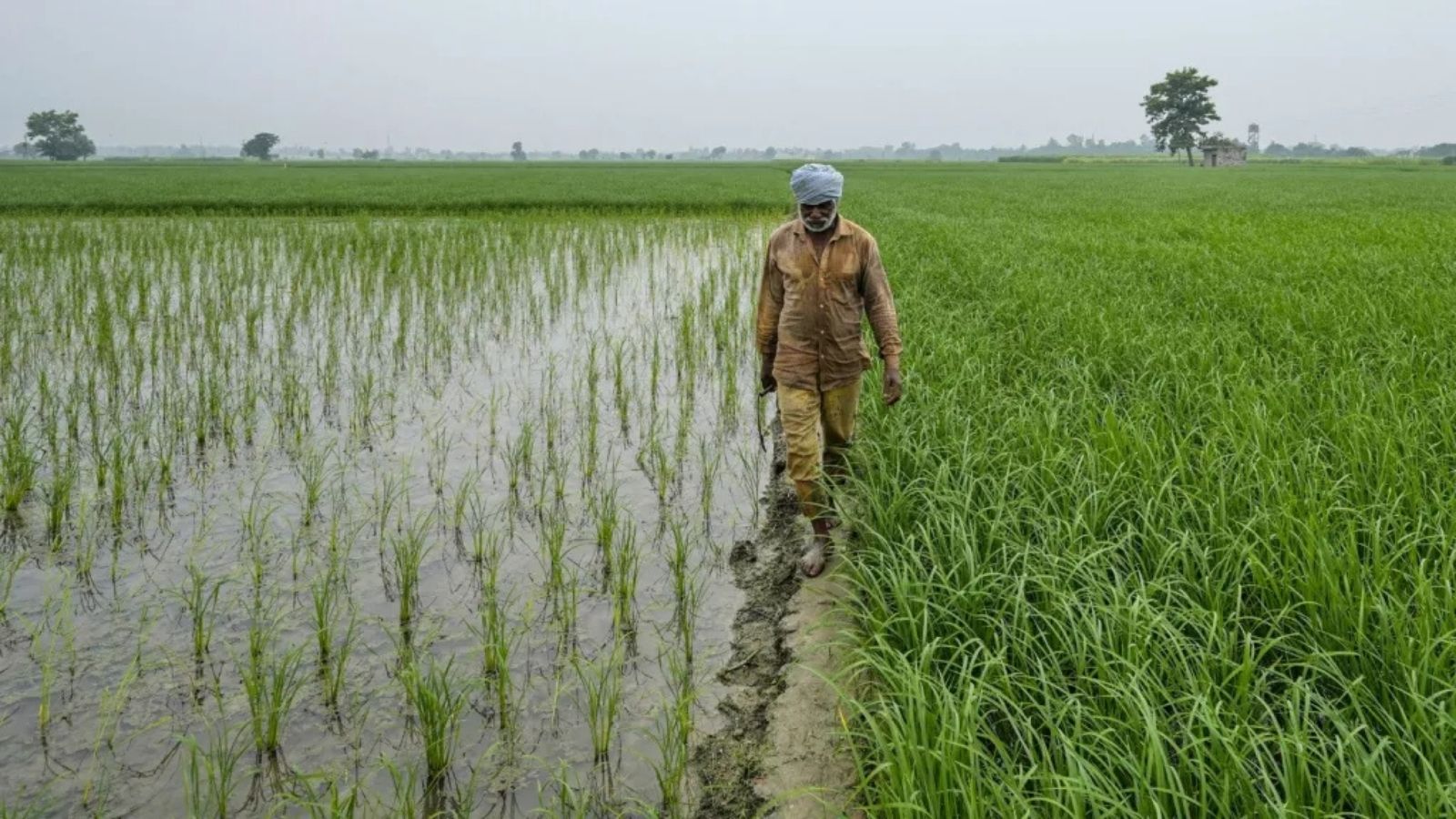
Deficient Monsoon Drives Punjab’s Costly Power Purchases
Punjab Power Crisis Sparks Government-Opposition Showdown
Punjab Power Crisis Prompts AAP Government Bureaucratic Reshuffle

Vedanta Power Highlights Efficiency in India’s Cleaner Energy Transition