

3 weeks ago
Jharkhand exam stir: hunger-striking protesters' health stable, say officials
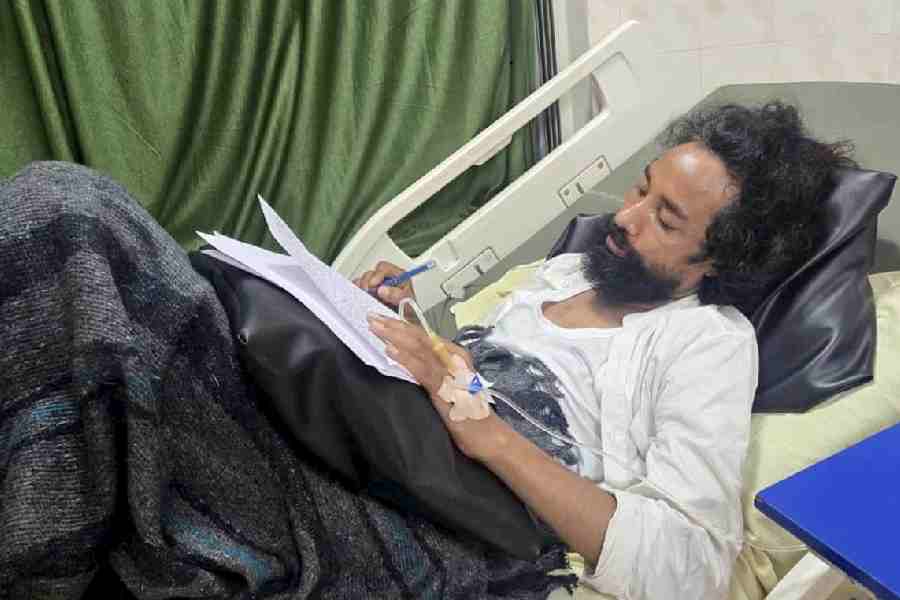
Some students in Jharkhand think something unfair happened when the government picked people for jobs.
They believed the tests that decide who gets a job were not done properly.
To show how serious they were, a few students stopped eating — this is called a hunger strike.
After many days without food, some of them felt very weak and had to go to the hospital.
Doctors at Sadar Hospital in Ranchi are taking care of four students.
The doctors say all four are safe and their bodies are doing okay.
One student, Devendra Nath Mahto, has not eaten for 11 days and still refuses food.
Another student, Rahul Kranti, is now drinking juice and milk and is getting better.
The health minister visited them and asked everyone to eat, saying the government is already talking about the problem.
The government says it has made a team to look into the students' complaints and will keep talking with them.

Four student protesters on hunger strike over alleged irregularities in recruitment examinations are being treated at Sadar Hospital in Ranchi, where officials say their health is stable.
Devendra Nath Mahto, fasting for 11 days under the banner of JSSC-Chhatra Manch, was admitted after his health deteriorated and continues to refuse food.
Rahul Kranti, who began his fast at Jaipal Singh Munda Stadium on August 4, is on a liquid diet and said his health is gradually improving.
State Health Minister Irfan Ansari said two more protesters were taken to hospital on Tuesday evening after their health deteriorated.
Ansari urged students not to risk their lives by fasting, noting the government has constituted a team and already held dialogues.
- Who
- Four student protesters — Devendra Nath Mahto, Mahendra Pratap, Habiba and Rahul Kranti — linked to the JPSC-JSSC Reforms Manch and JSSC-Chhatra Manch.
- What
- A hunger strike protesting alleged irregularities in recruitment examinations, with the protesters hospitalised at Sadar Hospital in stable condition.
- Where
- Sadar Hospital in Ranchi, Jharkhand; the fast began at Jaipal Singh Munda Stadium and included a march to the Jharkhand Assembly.
- When
- Ongoing as of the Wednesday report; Mahto's fast is in its 11th day, while Kranti's began on August 4.
- Why
- To protest alleged irregularities in recruitment examinations; the government says it has constituted a team and held dialogues.
Protesting students
State government
Response to alleged exam irregularities
Protesting students
Students allege irregularities in recruitment examinations and are continuing their hunger strike, with some refusing food even after hospitalisation.
State government
The government says it has already constituted a team, held dialogues and will hold more, and urges students not to risk their lives by fasting.
Key facts
- Location
- Sadar Hospital, Ranchi, Jharkhand
- Hospitalised protesters
- 4 students, all in stable condition
- Longest consecutive fast
- 11 days (Devendra Nath Mahto, still fasting)
- Diet status
- Mahto still fasting; Kranti on liquid diet
- Protest groups
- JPSC-JSSC Reforms Manch; JSSC-Chhatra Manch
- Demand
- Action on alleged irregularities in recruitment examinations
- Government response
- Team constituted; dialogues held and more planned
- Additional hospitalisations
- Two more protesters admitted Tuesday evening after health deteriorated
Quotes
Deputy Superintendent of Sadar Hospital
Hospital administrator overseeing patient care
“I am urging students not to risk their lives by sitting on a hunger strike. The government has already constituted a team, dialogues have been held, and more will be held.”
 theprint.in
 telegraphindia.com
“The health condition of all four students is stable. Check‑ups and regular monitoring of their health are being done periodically.”
theprint.in
telegraphindia.com
Kranti, student protester
Student protester on hunger strike
“I had started taking a liquid diet, including fruit juice and milk, after doctors counselled me. I said my health condition was gradually improving.”
theprint.in
Sources
Related news

Jharkhand hunger-striking protester hospitalised as exam protest talks stall
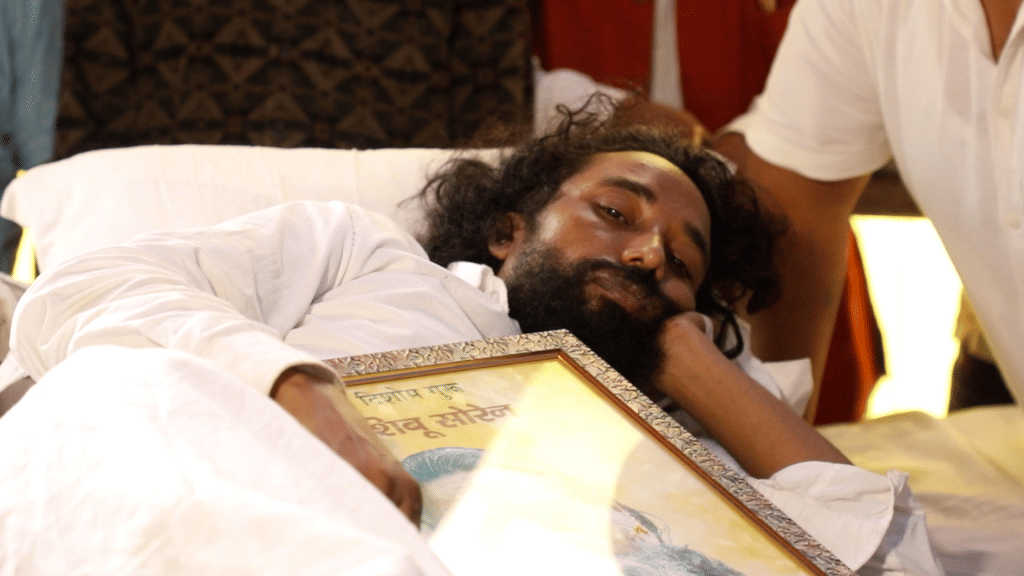
Ranchi protestors' health stable despite weight drop, doctors say
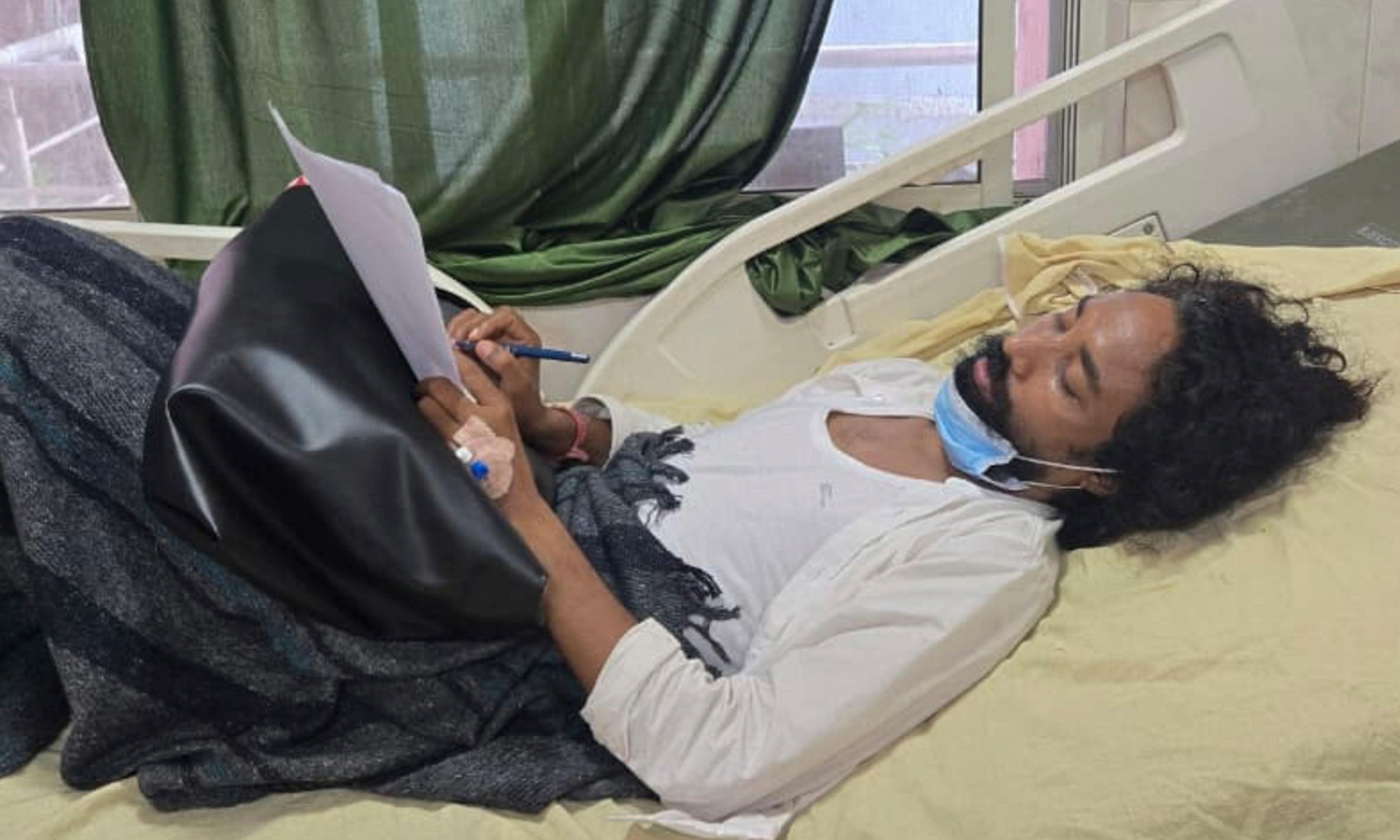
Jharkhand Students Accuse Administration of Withholding Hunger-Striker's Health Details
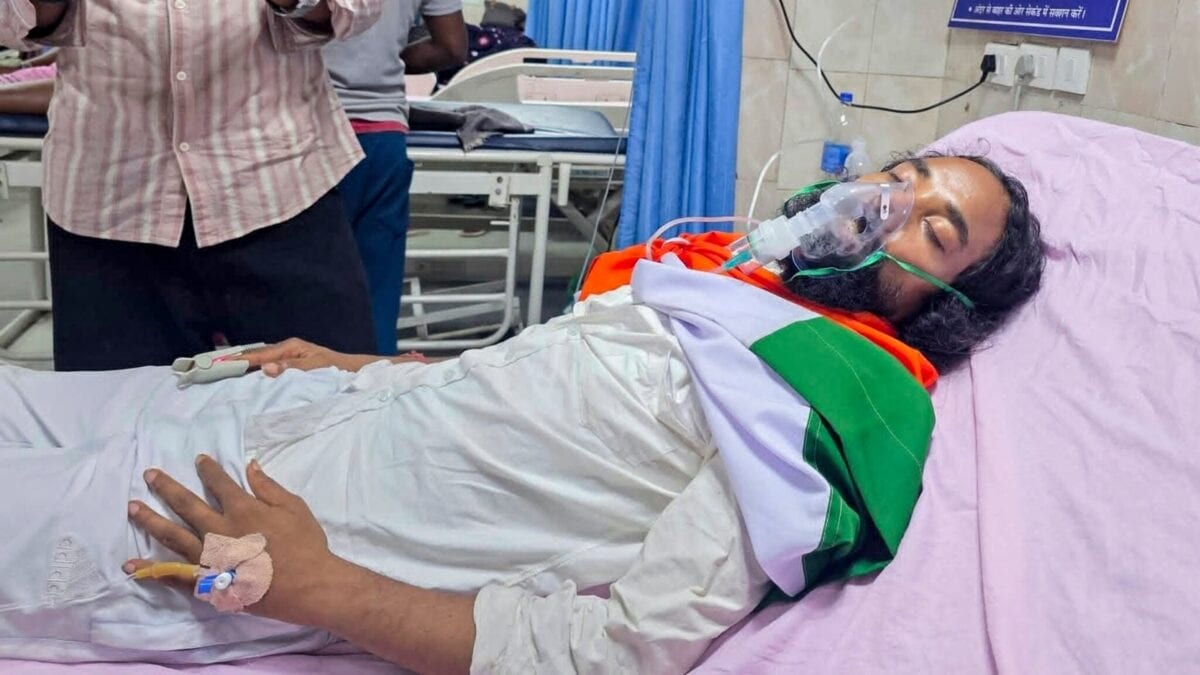
Jharkhand Protest: Student Leader Devendra Mahto Hospitalised After March

Jharkhand Student Leader Devendra Mahto Seeks Return to Protest Site

Jharkhand Students' Hunger Strike for CBI Probe Enters 14th Day
Gujarat Deploys Lion Trackers at Girnar, Shetrunjay Hills

Jharkhand students end hunger strike after TDPL, JSSC-CGL exams cancelled
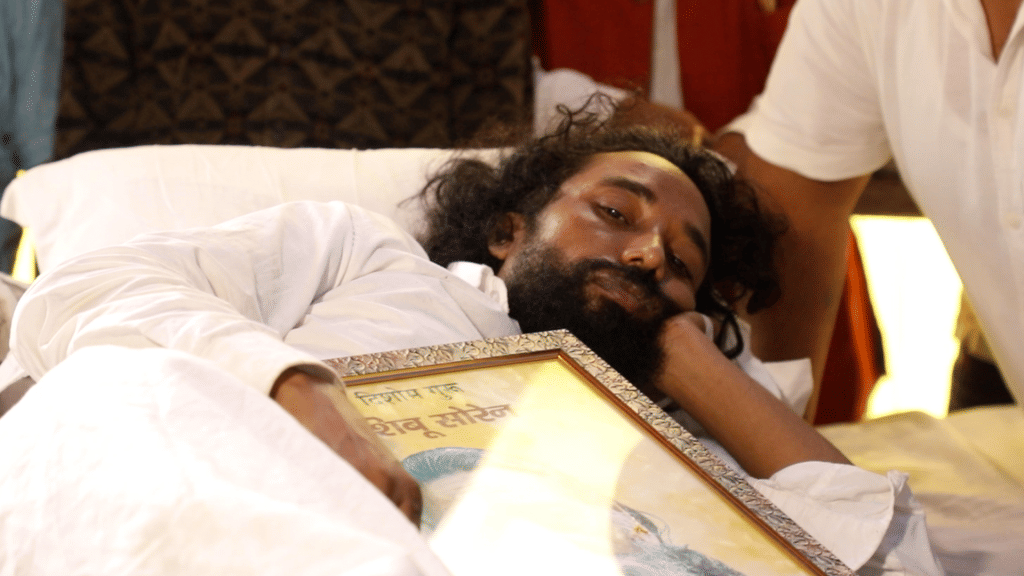
Jharkhand Student Leader Ends Hunger Strike After Exams Cancelled
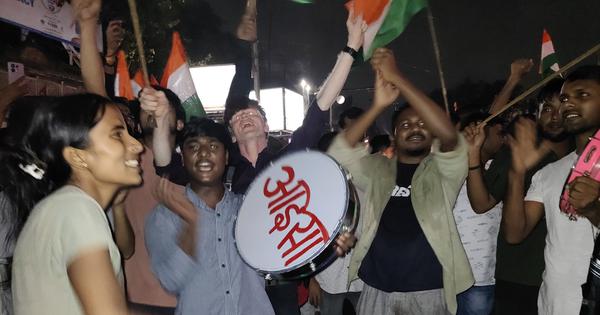
Jharkhand cancels JSSC-CGL exam and all TDPL tests since 2014
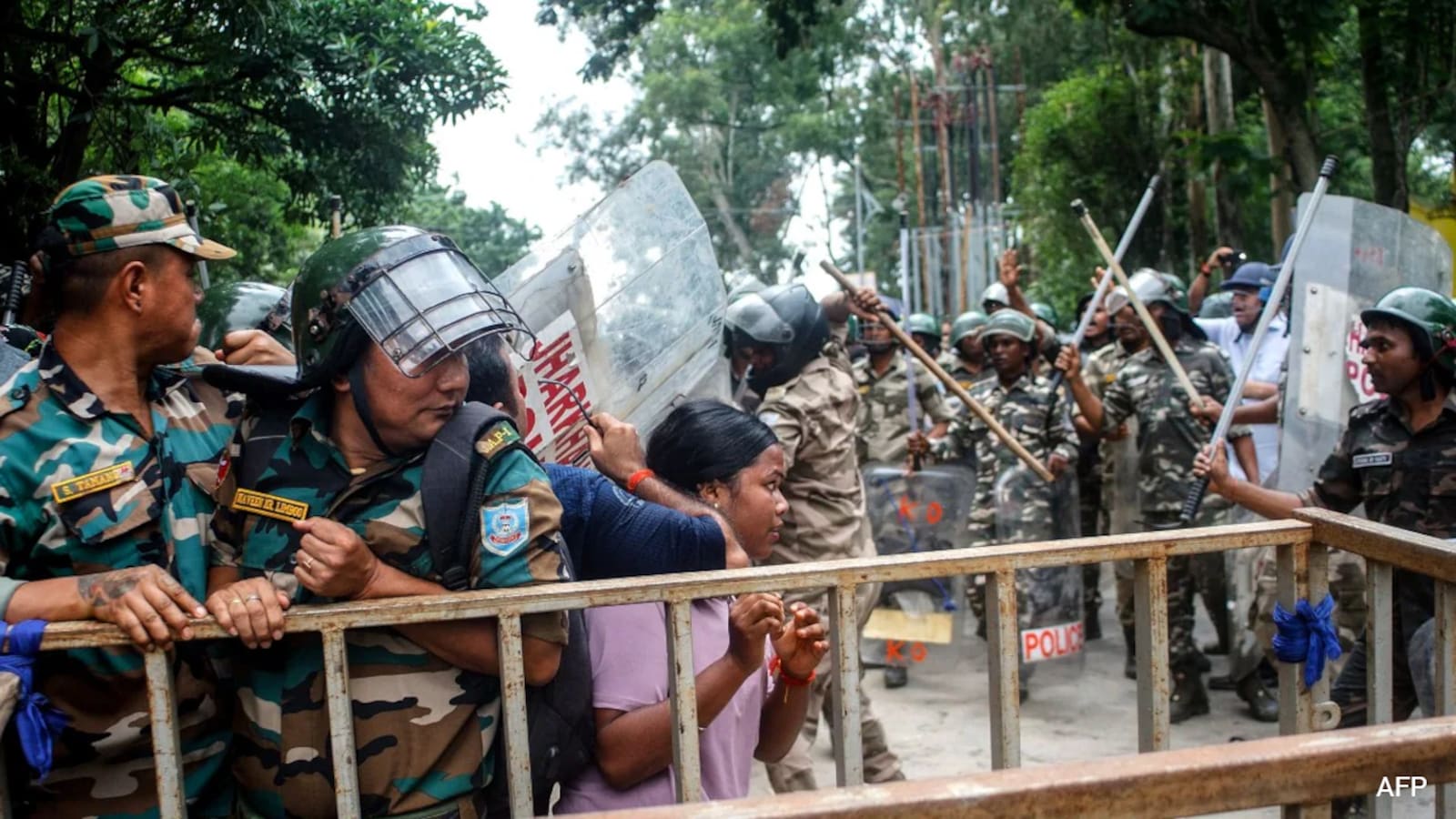
Jharkhand invites student protesters for fresh talks on exam irregularities
