1 hr ago
India Needs Civil Liberties Activists Amid Rising Authoritarian Threats
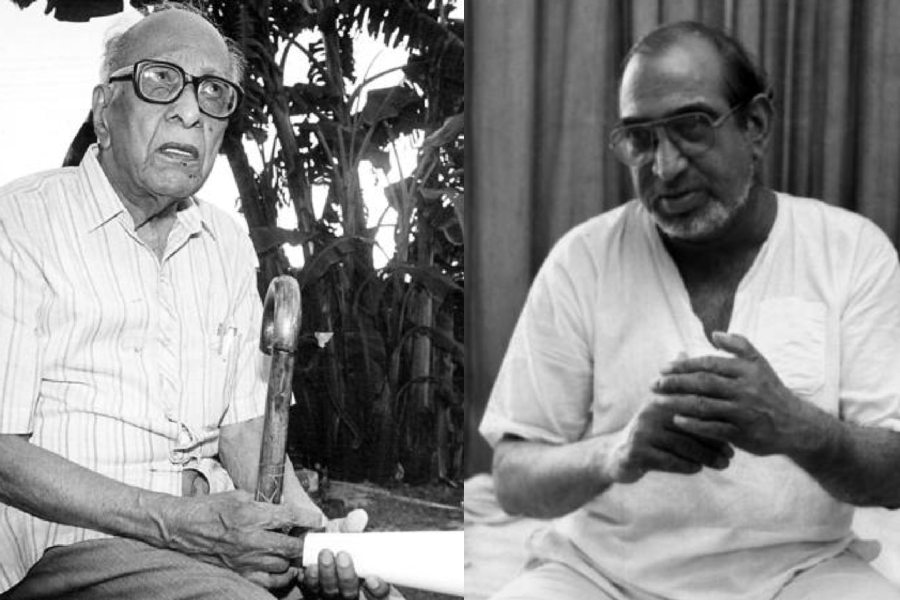
Civil liberties groups are organizations that try to protect people from unfair treatment by the government.
They investigate events such as police violence, deaths in custody, and attacks on minority communities.
Volunteers visit places where something happened and speak with people who saw or experienced it.
They turn these stories into reports that courts, journalists, and the public can use.
These reports can show when official explanations leave out important facts.
Some groups originally focused mostly on violence by the State, but women activists pushed them to also address violence in families and homes.
The groups try to remain independent from political parties and do not accept foreign or corporate funding.
The author says their work is especially important because India faces serious threats to democratic rights.

Civil liberties groups document alleged abuses by the Indian State and defend citizens’ democratic rights.
The Association for Protection of Democratic Rights was among independent India’s earliest civil liberties organizations.
The People’s Union for Democratic Rights has produced nearly 300 reports on issues including police brutality, encounter deaths, and discrimination.
Fact-finding reports preserve testimony, challenge official accounts, and identify inconsistencies in government records.
The movement faces State hostility, political-independence concerns, internal debates over gender justice, and what the author calls growing authoritarianism.
- Who
- Indian civil liberties organizations, volunteers, lawyers, journalists, academics, and activists, including the People’s Union for Democratic Rights and the Association for Protection of Democratic Rights.
- What
- The article reviews the history and methods of India’s civil liberties movement and argues that its activists are urgently needed.
- Where
- India, including Delhi, West Bengal, Andhra Pradesh, and Maharashtra.
- When
- The movement described developed from the early 1970s onward; the article discusses its importance in the present context.
- Why
- The author says civil liberties activism is needed to document State wrongdoing and respond to police brutality, media apathy, judicial indifference, majoritarianism, and authoritarianism.
Key facts
- Book discussed
- Ankita Pandey’s Becoming Allies: Civil Liberties Activism in India
- Early organization
- The Calcutta-based Association for Protection of Democratic Rights took shape in the early 1970s.
- Major organization
- The People’s Union for Democratic Rights has published close to 300 reports, according to the article.
- Core method
- Civil liberties groups commonly use on-the-spot fact-finding investigations and reports.
- Report functions
- Fact-finding reports systematize testimony, provide context, and expose inconsistencies in official records.
- Funding model
- The groups described are volunteer-driven and do not take foreign or corporate funds.
- Internal debate
- Activists debated whether domestic violence and women’s rights should be included within the civil liberties framework.
Quotes

Sudha Bharadwaj
Activist lawyer discussed in Guha’s account of civil liberties activism.
“No doubt three years in jail has been painful, but there are many people more unfortunate than me. My heart went out to them. When you are in the midst of so much misery, it is difficult to be miserable for oneself; you have to help others.”
 telegraphindia.com
“collective action undertaken in solidarity with a marginalized group by those who do not have a direct, personal or material stake in the cause”
telegraphindia.com
Sources
Related news

Rights Group Seeks Release of Eight Noida Activists
BJP Lawyers Urged to Secure Justice for Dalit Families

NDA Leaders Attack Akhilesh Yadav’s PDA Strategy Ahead of 2027

UN Watchdog Urges India to Protect Minorities and Tribals

Noida Protest Case Pits State Conspiracy Claims Against Families

India's Tools Sector Targets Global Growth Under Atmanirbhar Push
Malda Plans Illuminated Gauda to Boost Historic Tourism

Neem Karoli Baba’s New Generation Drawn to Kainchi Dham
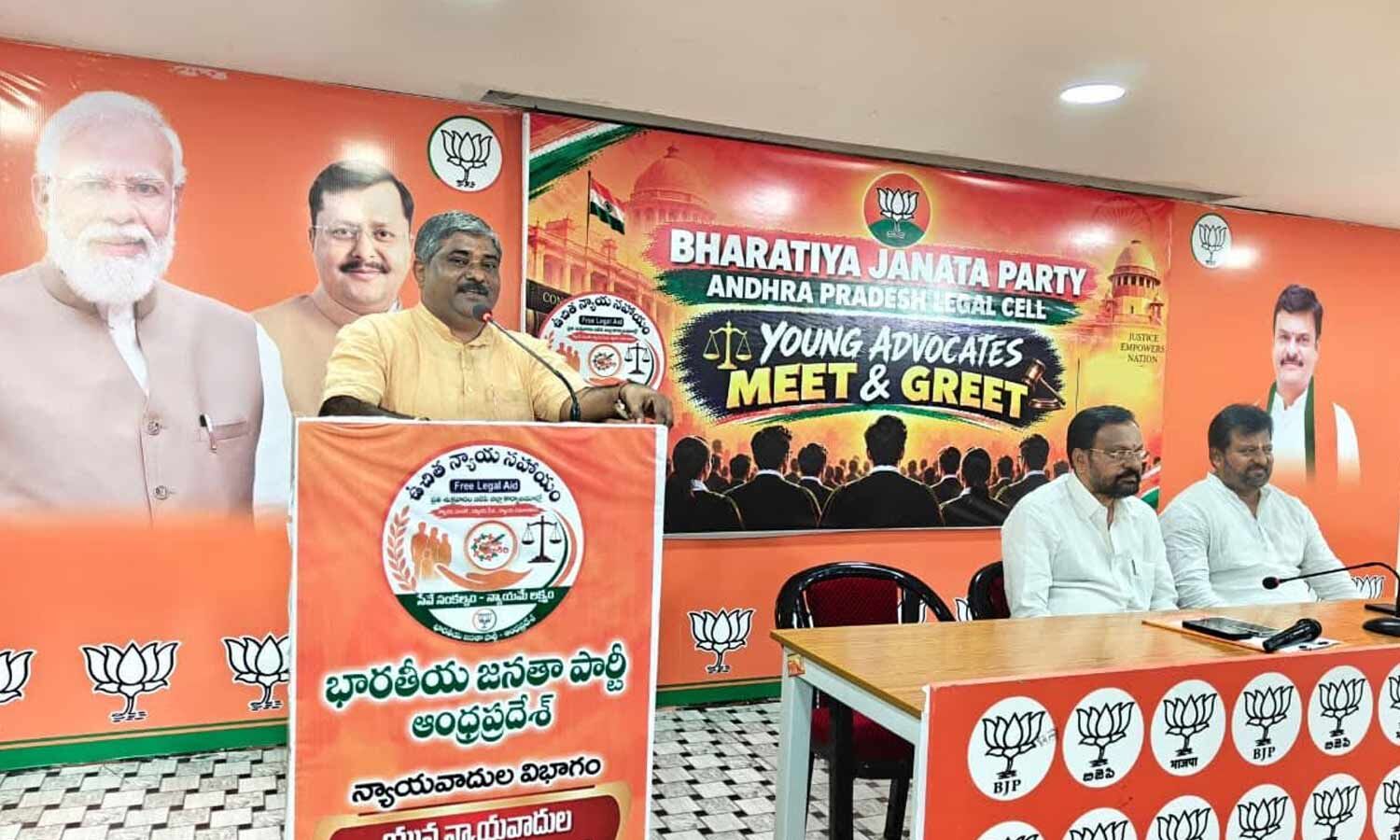
BJP Urges Young Lawyers to Build Skills and Nationalist Outlook