

3 days ago
Violence at Arunachal SIR Hearing Sparks Competing Demands
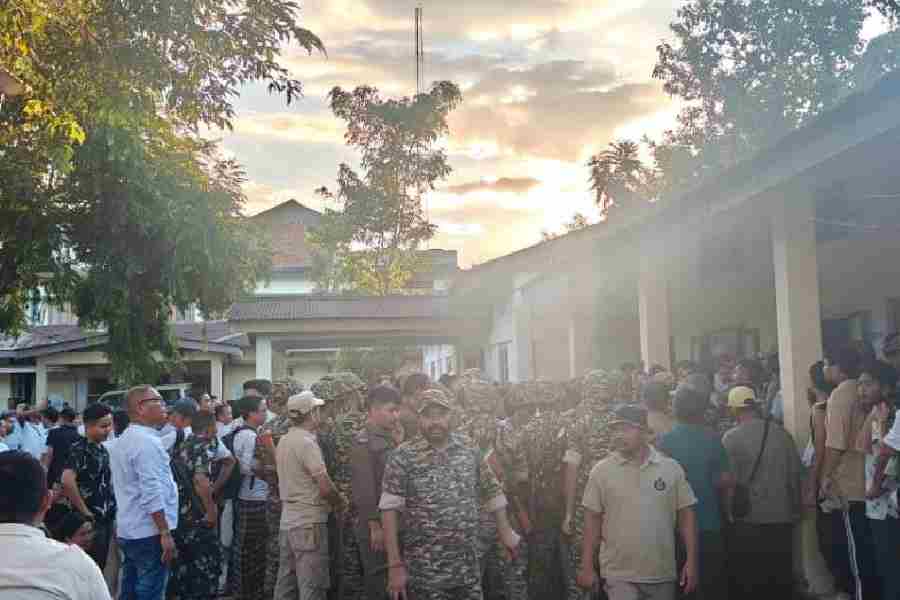
A fight happened during a hearing about Arunachal Pradesh’s voter lists.
The hearing took place in Bordumsa on Friday.
The All Arunachal Pradesh Students’ Union said Chakma community members attacked its leaders and supporters.
Chakma representatives said AAPSU members caused trouble and that the community was defending itself.
Both sides said stones were thrown.
Police used tear gas to control the situation.
AAPSU wants the hearing process stopped in some areas and wants arrests.
The Chakma Development Foundation of India wants officials to protect Chakma and Hajong people during future hearings.
The final voter lists are scheduled to be published on September 22.

Clashes broke out during a special intensive revision hearing at Bordumsa in Changlang district on Friday.
The All Arunachal Pradesh Students’ Union alleged its members were attacked by people from the Chakma community.
The AAPSU demanded arrests and suspension of the electoral revision exercise in Chakma- and Hajong-inhabited areas.
The Chakma Development Foundation of India said Chakma electors were prevented from attending and sought National Human Rights Commission intervention.
Police used tear gas, while competing accounts blamed the other side for provoking or escalating the violence.
- Who
- The All Arunachal Pradesh Students’ Union, members of the Chakma community, the Chakma Development Foundation of India, and police were involved or responded.
- What
- Violence disrupted a special intensive revision hearing, prompting demands for arrests, suspension of the exercise, and protection for Chakma and Hajong electors.
- Where
- The violence occurred at the additional deputy commissioner’s office in Bordumsa, Changlang district, Arunachal Pradesh.
- When
- The main clash occurred on Friday; the final electoral rolls are scheduled for September 22.
- Why
- AAPSU cited concerns about allegedly ineligible voters, including Chakma-Hajong refugees, while the CDFI cited alleged obstruction of Chakma electors and threats to their safety.
AAPSU and supporters
Chakma representatives and advocates
Cause of the violence
AAPSU and supporters
AAPSU alleged that members of the Chakma community attacked its leaders and activists during the monitoring of the hearing, including one senior leader who was allegedly struck with a machete.
Chakma representatives and advocates
A Chakma youth at the site said AAPSU members created trouble and that Chakma community members became involved while trying to defend themselves from stone-pelting.
Access to the hearing
AAPSU and supporters
AAPSU said it was monitoring the process because of concerns about the inclusion of ineligible voters, including Chakma-Hajong refugees.
Chakma representatives and advocates
The Chakma Development Foundation of India said Chakma electors were prevented from appearing and that the hearing was postponed after protests and damage to the electoral registration officer’s office.
Requested response
AAPSU and supporters
AAPSU demanded arrests and suspension of the special revision exercise in Chakma- and Hajong-inhabited areas, while calling a meeting of indigenous and other organisations.
Chakma representatives and advocates
The CDFI sought National Human Rights Commission directions to government and election authorities to protect the life and personal liberty of Chakmas and Hajongs during forthcoming hearings.
Key facts
- Location
- Bordumsa, Changlang district, Arunachal Pradesh
- Electoral exercise
- Special intensive revision of electoral rolls
- AAPSU demand
- Suspend the exercise in Chakma- and Hajong-inhabited areas and arrest those involved
- Reported police action
- Police fired tear gas shells to control the clash
- Registered electors
- 8,87,505
- Enumeration forms submitted
- 7,18,046
- Final-roll publication
- September 22
- Affected communities
- Approximately 65,000 Chakmas and Hajongs live in Arunachal Pradesh, according to the report
Quotes
Meje Taku
President of the All Arunachal Pradesh Students’ Union
“Now, we will not tolerate. Those living in our home cannot dictate the indigenous people. We will decide who will stay (in Arunachal), who will vote (in Arunachal),”
 telegraphindia.com
Sources
Related news

Violence at Arunachal SIR Hearing Prompts Bordumsa Prohibitory Orders

Fresh Clash Erupts Along Assam-Arunachal Border, Police Fire in Air
Assam names four accused in Arunachal border firing; blockade continues

Sarma urges Arunachal CM Khandu to probe border firing

Firing along Assam-Arunachal border injures residents amid land dispute
Manipur NRC Torchlight Protest Turns Violent in Kakching
Arunachal Pradesh Minister Warns Illegal Bandhs Will Face Legal Action

Arunachal Recruitment Rules Make PRC, APST, Tribal Language Mandatory

Indefinite Bandh in Arunachal's Lekang Over New Recruitment Rules