

1 hr ago
Fighting Escalates in Ethiopia as Tigray Faces Communications Blackout
Fighting has started again between Ethiopia’s federal government and forces from the Tigray region.
The fighting spread toward the neighboring regions of Afar and Amhara.
Tigrayan forces said they were defending themselves against government aggression.
The government said the Tigray People’s Liberation Front launched a major attack.
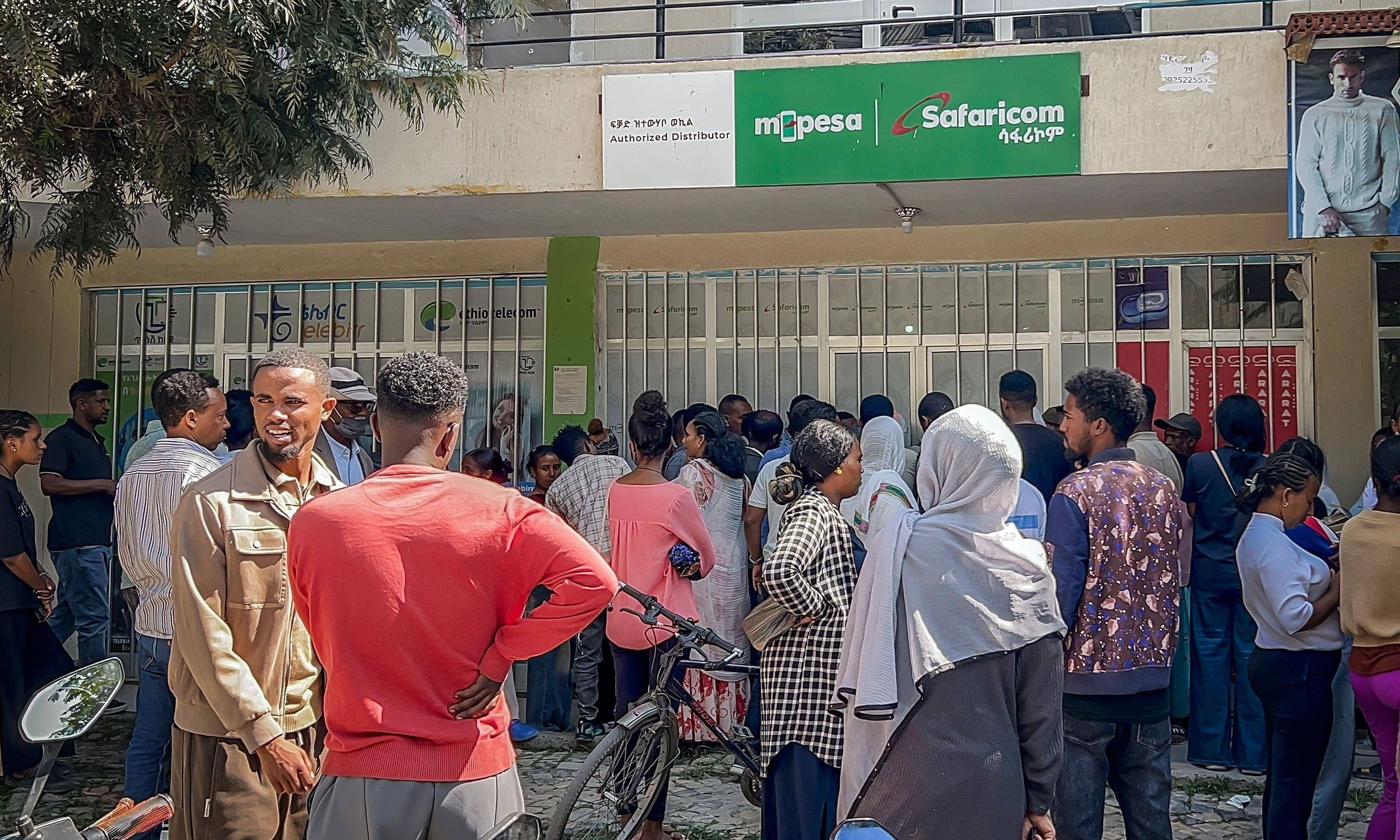
Phone and internet services in Tigray stopped working or became difficult to access.
People are worried because similar disruptions during the previous war made it hard to get food, medicine, money, and information.
Many residents are buying supplies and withdrawing cash.
The fighting also happened near the famous churches of Lalibela.
International groups have urged both sides to stop fighting and return to peace talks.

Ethiopian federal forces reportedly repelled a Tigrayan assault near Abala in Afar after heavy overnight fighting.
Tigrayan forces seized three local airports and attacked federal troops in Afar and Amhara, according to reports.
Internet and phone services were disrupted in Tigray, with responsibility disputed between the TPLF and federal authorities.
Residents rushed to buy food and withdraw cash amid fears that essential services would again be cut off.
The renewed clashes threaten a fragile peace and raise concerns for Lalibela’s UNESCO-listed rock-hewn churches.
- Who
- Ethiopian federal forces and the Tigray People’s Liberation Front, along with allied armed groups, are involved.
- What
- Heavy fighting and attacks have resumed, while phone and internet networks in Tigray have been disrupted.
- Where
- The fighting was reported in Tigray, Afar, and Amhara, including near Abala and Lalibela; the blackout affected northern Ethiopia.
- When
- The escalation and communications disruptions were reported during the week ending Friday, September 25.
- Why
- The TPLF said its actions were defensive, while analysts said the offensive may seek to undermine federal supply routes and government control; the reason for the communications shutdown remains disputed.
Tigrayan and Allied Forces’ Account
Federal Government and Supporters’ Account
Reason for the offensive
Tigrayan and Allied Forces’ Account
The TPLF described its actions as a defensive war intended to counter aggression by Prime Minister Abiy Ahmed’s government.
Federal Government and Supporters’ Account
The Ethiopian government and the United States described the TPLF’s actions as a large-scale offensive against federal forces.
Communications shutdown
Tigrayan and Allied Forces’ Account
A source close to the TPLF denied ordering the shutdown and blamed the government, while one report said the group may have sought to limit the military’s drone advantage.
Federal Government and Supporters’ Account
Other sources told Reuters that the TPLF ordered Ethio telecom and Safaricom to cut access, and an advisory note said TPLF-linked steps had disrupted telecommunications infrastructure.
Military conduct and recruitment
Tigrayan and Allied Forces’ Account
Residents reported that Tigrayan fighters were searching for youths to join the war effort, while rights groups accused the TPLF of forced recruitment.
Federal Government and Supporters’ Account
Federal forces possess a major drone and military advantage, and the government has accused Eritrea of backing the TPLF; Eritrea denies the accusation.
Key facts
- Main combat area
- Fighting was reported around Abala in Afar and in North Wollo Zone of Amhara.
- Communications disruption
- Internet and phone services were disrupted in Tigray; connectivity to Safaricom customers was limited.
- Responsibility disputed
- A source close to the TPLF denied responsibility for the shutdown and blamed the government, while other reports cited TPLF orders or preparations.
- Strategic concern
- Analysts said attacks in Afar could threaten supply routes from Djibouti, which handles almost all of Ethiopia’s international trade cargo.
- Humanitarian fears
- Residents feared renewed restrictions on food, medicine, cash, electricity, banks, and telecommunications.
- Peace agreement
- The 2022 Pretoria Peace Agreement ended the previous conflict’s major fighting but was never fully implemented, according to the reports.
- International response
- The United Nations and European Union called for restraint and a return to an African Union-backed peace process.
Quotes
A humanitarian source in Afar
A humanitarian source describing fighting around Abala in the Afar region.
“Currently, TPLF fighters are still going house to house in search of youths. I am hiding in the house and I didn’t go to work.”
 theprint.in
“Even Safaricom doesn’t work in all places… you have to move from place to place to get connectivity.”
theprint.in
Samuel Gebreslassie
A 37-year-old spice-shop worker in Mekelle, the capital of Tigray.
“There is panic in the community”
 deccanchronicle.com
Sources
Related news
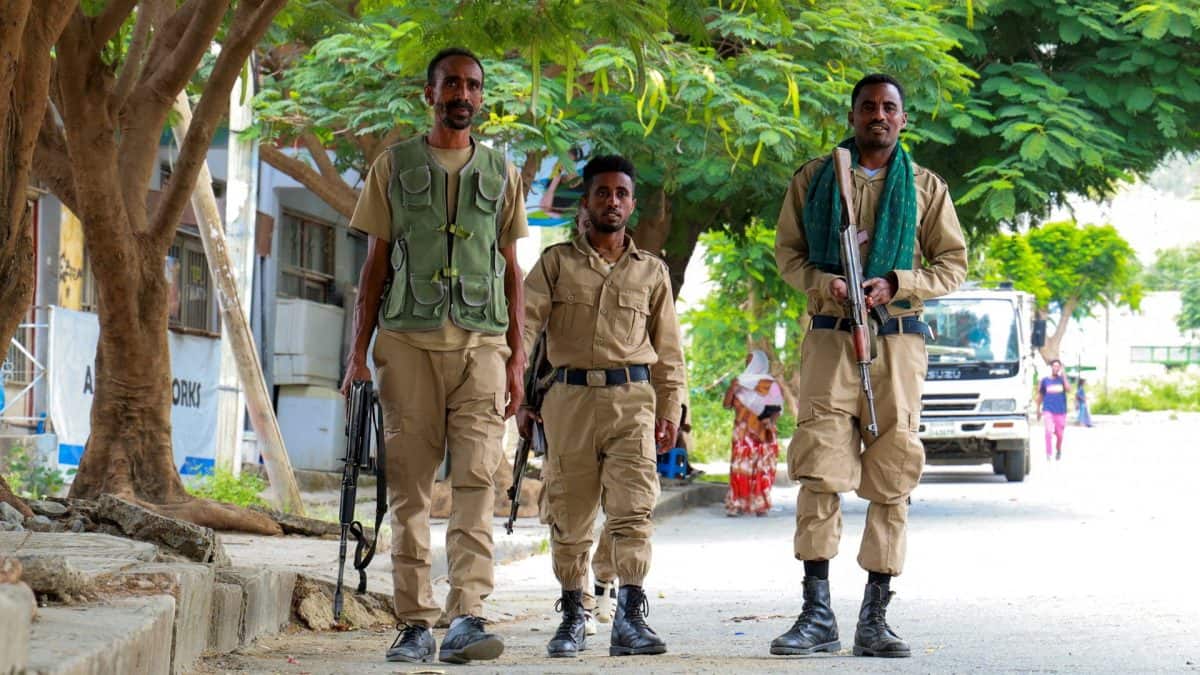
Renewed Tigray Fighting Raises Fears of Wider Regional War

Ethiopia Fighting Expands, Suspending Flights to Historic Lalibela
Tigray Leaders Declare New War as Fighting Erupts in Ethiopia
Tigray Residents Stock Up as Fears of War Return
Yemen Fighting Kills More Than 300, Displacing Thousands