

2 hrs ago
Wildlife Icons Can Build Emotional Bonds for Conservation
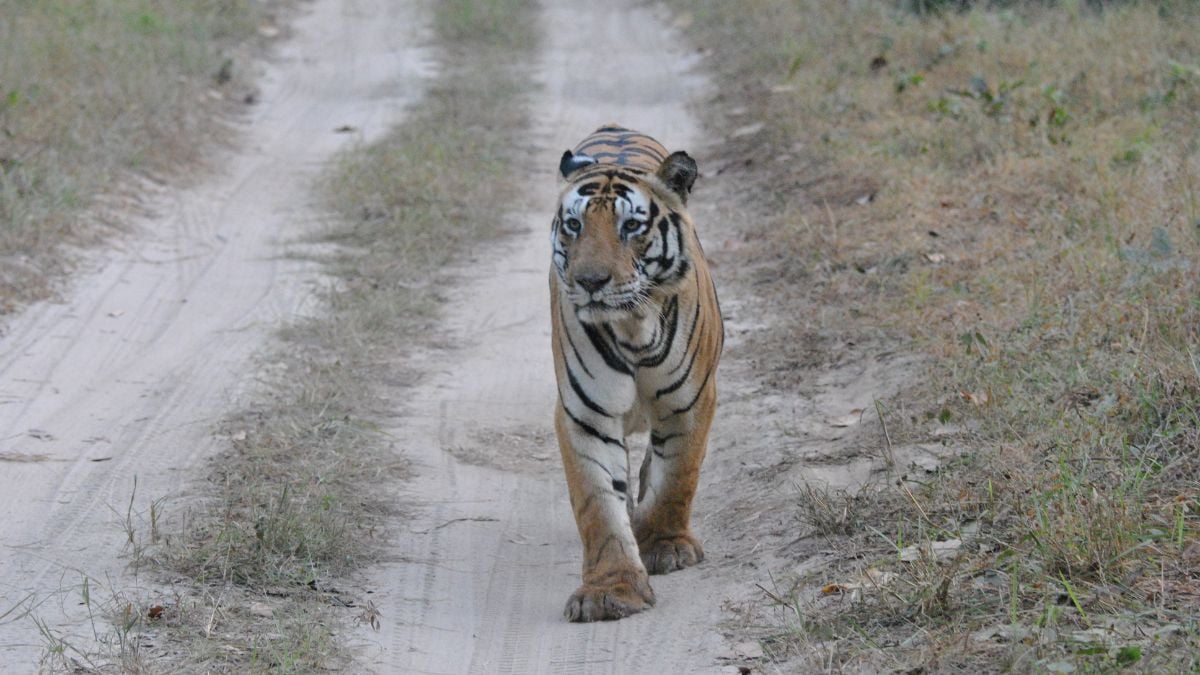
People often feel close to animals they can recognize and follow.
The article calls famous individual animals “flagship individuals.”
Munna the tiger and Ramu the elephant are examples.
Their stories can make people care about the animals and the places where they live.
That care may help bring attention and support to conservation.
Animal stories can also help balance frightening stories about conflicts between people and wildlife.
Researchers can learn about individual animals using tools such as camera traps and tracking tags.
The author says endangered animals that are less familiar to people also need attention.
Conservation should protect whole species and habitats, not only popular animals.

The article describes recognizable animals such as Kanha tiger Munna and Assam elephant Ramu as “flagship individuals” that can draw public attention to their species and habitats.
Munna lived to 19, spent 17 years in Kanha Tiger Reserve, and became known for forehead stripes resembling the word “CAT.”
Achanakmar tigress Jhumri, identified as a descendant of Bandhavgarh’s Spotty, has had three litters and helped double tiger numbers there, the article says.
The author argues that public affection for individual animals can balance negative perceptions caused by human-wildlife conflict and encourage conservation support.
The article calls for greater attention to lesser-known endangered species, including gharials, Ganges river dolphins, golden mahseer, Great Indian bustards, Hangul and vultures.
- Who
- The article discusses wildlife conservationists and individual animals including tigers Munna and Jhumri, and elephant Ramu.
- What
- It argues that recognizable wild animals can act as “flagship individuals,” building public connection and support for conservation.
- Where
- Examples include Kanha Tiger Reserve, Achanakmar Tiger Reserve, Bandhavgarh and Assam.
- When
- The article gives examples spanning a century of naming animals, including Munna’s life, which ended at age 19.
- Why
- Emotional connections with individual animals can draw attention to species and habitats and help balance negative perceptions linked to human-wildlife conflict.
Conservation benefits
Potential concerns
Public attention and species protection
Conservation benefits
Popular, recognizable animals can make conservation stories compelling and help attract attention, funding, legal action and protection policies.
Potential concerns
The article cautions that individual animals should not overshadow wider species and habitat concerns; conservation impacts are difficult to quantify.
Human-wildlife conflict
Conservation benefits
Positive public connections to flagship individuals can balance negative perceptions arising from adverse interactions with people.
Potential concerns
Conflict incidents can shape negative views of a species across its native range, and conservation narratives should not overwrite those concerns.
Key facts
- Munna
- A male tiger who died at 19 after spending 17 years in Kanha Tiger Reserve.
- Munna’s distinctive mark
- Stripes on his forehead resembled the word “CAT.”
- Jhumri
- A tigress in Achanakmar identified as a litter of Bandhavgarh’s Spotty; she has had three litters.
- Jhumri’s reported impact
- The article says she was instrumental in doubling tiger numbers at Achanakmar.
- Ramu
- An Assam elephant known for raiding crops; he died suddenly from electrocution.
- Flagship individuals
- Recognizable animals with distinctive traits or behaviour that can become ambassadors for their species and habitat.
- Other species highlighted
- Gharial, Ganges river dolphin, golden mahseer, Great Indian bustard, Hangul and vultures.
Sources
Related news
Viral Animal Celebrities Raise Questions About Human Attention
Sundarbans Tiger Encounters Highlight Risks Beyond the ‘Man-Eater’ Narrative
Tiger’s Morning Walk Delights Safari Visitors at Pench Reserve
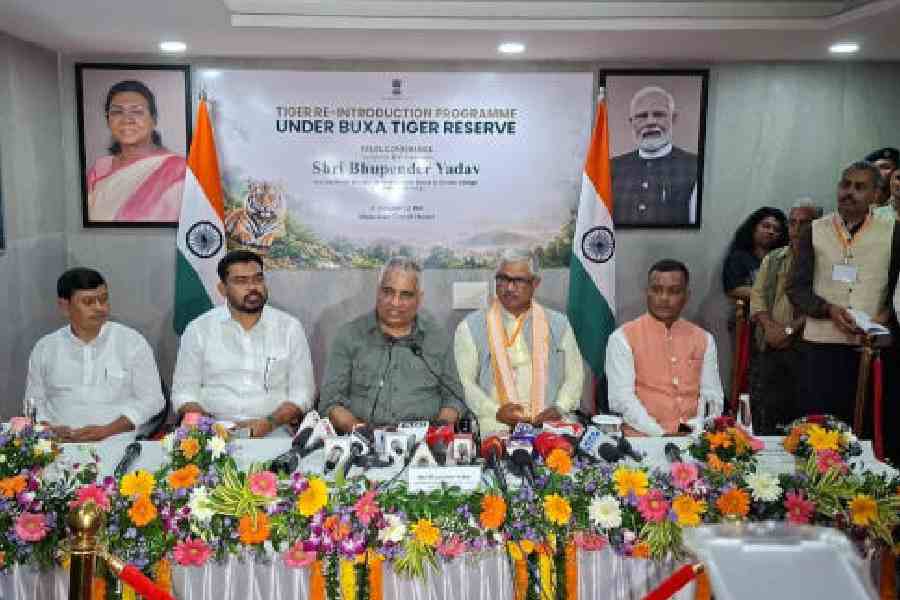
Tigress Release Launches Buxa Tiger Reintroduction Programme

Celebrity-Approved Wildlife Safari Destinations Across India Highlighted
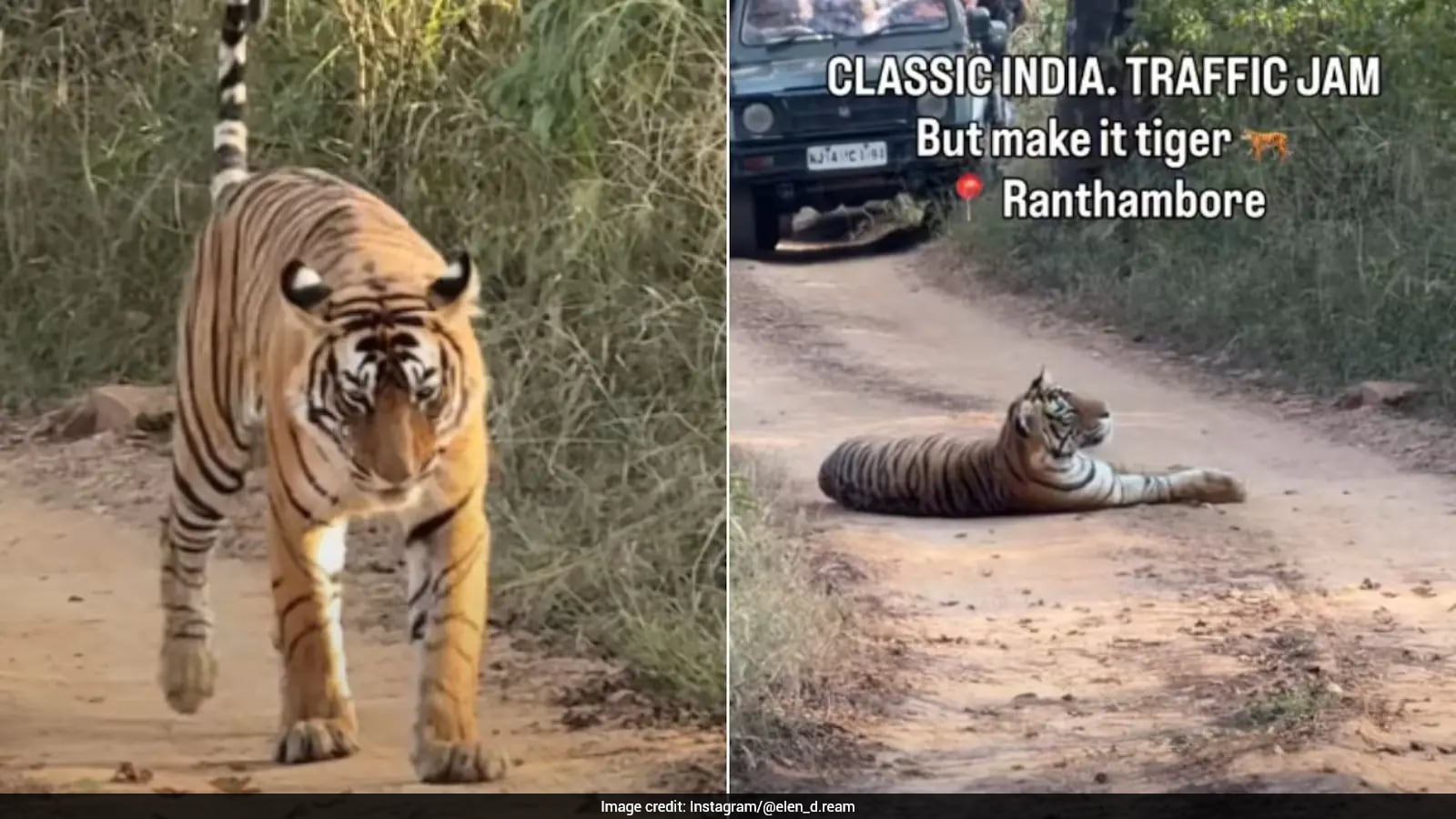
Tiger’s Afternoon Nap Creates Traffic Jam at Ranthambore Safari

Assam Chief Minister Salutes Indian Air Force on Air Force Day

Assam Student Missing From Train Found Dead in Andhra Pradesh

Gurugram Company MD Accused of Raping Former HR Executive

Assam CRPF Personnel Dies of Dengue Ahead of Unity Day
