

1 week ago
Viral Animal Celebrities Raise Questions About Human Attention
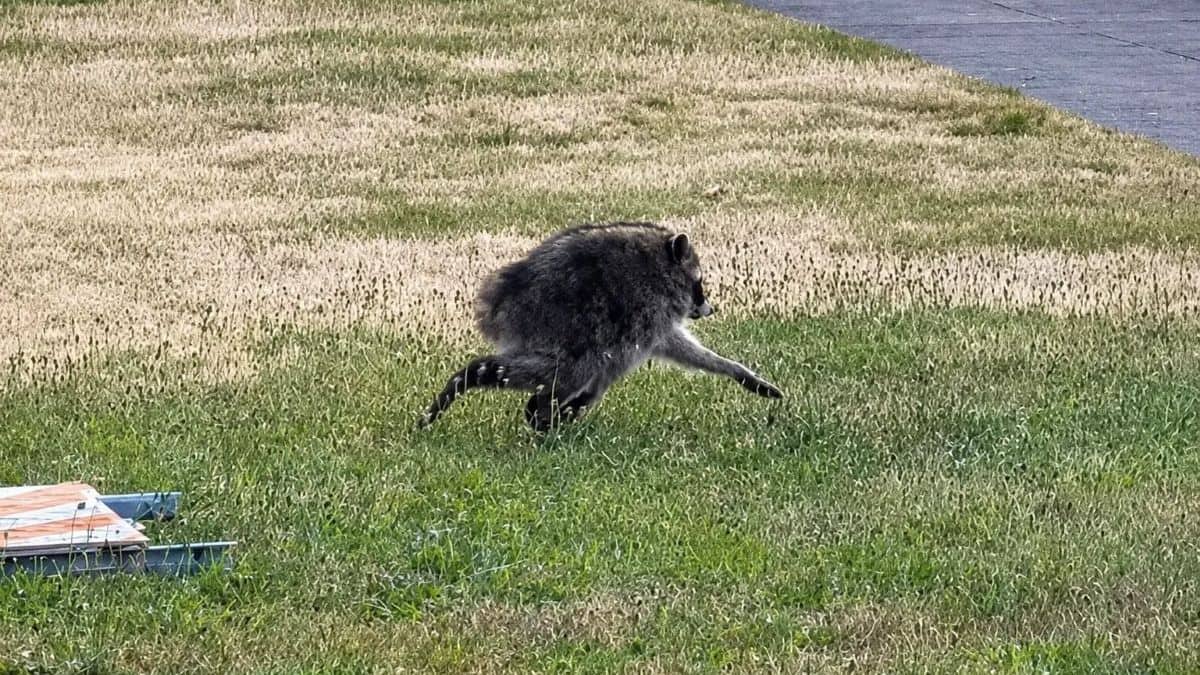
Some animals suddenly become famous when people share videos and stories about them.
Jimothy is a raccoon in Seattle who has become popular around the world.
Neil is a seal in Tasmania whose beach visits attract many viewers.
Paul the octopus became famous for appearing to predict football match results.
People bought merchandise and made business deals around these animals.
But animals do not understand fame or choose to become celebrities.
Their unusual behavior may simply be normal behavior or a way to survive.
Crowds, cameras and human activity can disturb animals and invade their space.
The article says people should protect wildlife by giving it more room and respect.

Seattle raccoon Jimothy has become a global social-media sensation, inspiring news coverage, merchandise and city celebrations.
Tasmanian elephant seal Neil attracts millions of online views while repeatedly disrupting coastal infrastructure during his visits.
Paul the octopus became famous for predicting 2010 FIFA World Cup matches, triggering fan devotion, threats and commercial offers.
An elephant brought from Calcutta to New York in 1796 was exhibited for decades before being shot by a local farmer.
The article argues that viral attention often mistakes natural survival behavior for entertainment and can intrude on wildlife habitats.
- Who
- Jimothy the raccoon, Neil the seal, Paul the octopus, a historically exhibited elephant, and the people who follow or commercialize famous animals.
- What
- The article examines human fascination with viral animal celebrities and argues that this attention can overlook animal welfare, natural behavior and habitat needs.
- Where
- The animals are associated with Seattle, Tasmania, Oberhausen in Germany, and New York.
- When
- Jimothy became prominent in 2026; Neil returned to the sea in July 2026; Paul became famous during the 2010 FIFA World Cup; the elephant arrived in New York on April 13, 1796.
- Why
- Animals become viral because people find their appearances or behavior entertaining, while the article says human-wildlife habitat conflicts often drive these encounters.
Attention Can Create Public Interest
Attention Can Harm Wildlife
Public fascination
Attention Can Create Public Interest
Viral animals attract global audiences, news coverage, fan communities and commercial activity.
Attention Can Harm Wildlife
The article argues that human interest is often temporary and seldom benefits the animal involved.
How animal behavior is understood
Attention Can Create Public Interest
People interpret animals such as Neil and Paul as cute, clever or entertaining.
Attention Can Harm Wildlife
The article says Neil’s behavior is natural survival behavior, while animals generally do not understand celebrity or perform intentionally for people.
Wildlife encounters
Attention Can Create Public Interest
Safaris, exhibitions and online videos allow people to observe animals and build stories around them.
Attention Can Harm Wildlife
Crowds and cameras can signal human encroachment, disturb habitats and, in some cases, increase risks such as poaching.
Key facts
- Jimothy
- A Seattle raccoon whose fame spread globally through social media and news coverage.
- Neil
- A five-year-old male elephant seal that repeatedly visits Tasmania’s coast during haul-out periods.
- Paul the octopus
- An aquarium octopus in Oberhausen that predicted several 2010 FIFA World Cup match outcomes.
- Historical elephant
- The first elephant to migrate to America, arriving in New York after a four-month sea journey in 1796.
- Commercialization
- The animals’ popularity has generated merchandise, marketing opportunities, advertising interest and, in Paul’s case, an agent.
- Main concern
- The article says viral attention can lead to human intrusion, habitat pressure, poaching risks and insufficient respect for wildlife.
Sources
Related news
Viral Elephant Video Spurs Empathy and Conservation Support
Tiger’s Afternoon Nap Creates Traffic Jam at Ranthambore Safari
Gorilla Mascots Turn Protest Spectacles Into India’s New Gig Economy

Florida Alligator Goes Viral After Grabbing Pickleball Ball

AI-Generated Lion Image Reveals New Challenges for Online Trust

Merle Oberon’s Hidden Indian Roots Reshaped Her Oscar Legacy
NSW to launch Australia's first gun buyback in November

Tasmania reports first H5N1 bird flu case, completing Australia-wide detection
Ex-Big Bash Cricketer Aaron Summers Jailed for Abusing Teen Fan
