

1 month ago
Global Oil Prices Surge Amid Iran Conflict
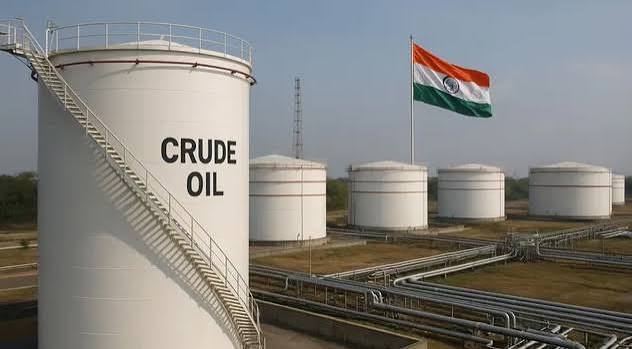
Oil prices are going up because there's a conflict in Iran.
The US is bombing Iran to protect ships, but this is making oil supplies uncertain.
The Strait of Hormuz and the Red Sea are important for oil shipping, and if there are more problems there, prices could go even higher.
Countries like China and India are using their oil reserves to cope, but this might not last.
The US is also making a deal with Saudi Arabia to help with nuclear power, which could change things.
Everyone hopes the fighting stops soon so prices can go back to normal.

Brent crude oil prices have surged to $99 per barrel and could reach $125 this year due to the Iran conflict.
The Strait of Hormuz has been closed for 13 days, and the Red Sea is also facing threats to shipping.
Major oil-consuming nations like China and India are drawing from their strategic reserves to manage supply.
The US is negotiating a nuclear deal with Saudi Arabia, which could impact global oil dynamics.
India's oil buffer from Russian purchases may soon end, forcing it to buy oil at higher prices.
- Who
- Global oil consumers, including China, India, and other Asian nations; US, Iran, Saudi Arabia, Israel
- What
- Surge in global oil prices due to conflict in Iran and disruptions in key maritime chokepoints
- Where
- Strait of Hormuz, Red Sea, Suez Canal, Gulf nations
- When
- Ongoing since February 28, 2024
- Why
- Conflict in Iran, US military intervention, threats to shipping, and strategic reserve drawdowns
Pro-Intervention Stance
Anti-Intervention Stance
US Military Action in Iran
Pro-Intervention Stance
The US resumed bombing Iran to protect commercial ships in the Strait of Hormuz, a necessary action to maintain global maritime security.
Anti-Intervention Stance
The US military intervention in Iran escalates tensions and disrupts oil supplies, leading to higher prices and economic instability.
Saudi Nuclear Deal
Pro-Intervention Stance
The US-Saudi nuclear deal allows Saudi Arabia to enrich its own fuel, potentially stabilizing oil supplies and reducing dependence on Iranian oil.
Anti-Intervention Stance
The deal adds fuel to the fire, increasing regional tensions and the risk of further price shocks.
Key facts
- Current Brent Crude Price
- $99 per barrel
- Projected High for 2024
- $125 per barrel
- Strait of Hormuz Closure Duration
- 13 days
- Major Oil Consumers Drawing from Reserves
- China, India, and other Asian nations
- US President
- Donald Trump
- Iran's Threat
- If oil exports are curbed, no one will be allowed to consume oil from the region easily.
- India's Oil Buffer
- Russian oil purchases exempted from sanctions for a while
- Russia's Oil Production Issue
- Struggling due to Ukraine's drone strikes on refineries
Sources
Related news

Professor, Five Students Arrested in IGKV Paper Leak

UK School Warns Parents Ahead of Prince Harry's Children's Enrollment

Ten Kautilya Students Secure Top Management Admissions Through IPMAT

Special Marriage Clause Could Protect Ronaldo's Fortune After Wedding

Explorica Students Earn Top Cambridge Checkpoint Rankings

West Bengal minister vows zero tolerance for admission extortion

Iran Seizes Fuel-Smuggling Vessel in Gulf, Arrests 11 Crew

Trump Floats Renaming Strait of Hormuz as “Trump Strait”

Chevron Plans $7 Billion Venezuela Expansion Amid U.S. Oil Push
Saudi Tanker Hit in Hormuz, Killing Two Filipino Sailors

Indian Stocks Extend Three-Day Losing Streak as Oil Rises