2 hrs ago
Jairam Ramesh Says GST Cuts Offset by Inflation
Jairam Ramesh says tax cuts have not helped people as much as expected.
He argues that rising prices are taking away the benefit of lower GST rates.
He says car sales improved, but clothing sales did not.
He also says many goods became almost as expensive as before the tax cuts.
The government’s GST collections nevertheless increased in August 2026.
Much of that increase came from taxes on imports.
Ramesh says India’s economy still has problems, including weak spending and falling real wages.
The articles present his criticism alongside the government’s tax-collection figures.

Jairam Ramesh said GST rate cuts announced in September 2025 are being neutralised by rising inflation.
He said the cuts had mixed effects, benefiting automobile sales but not apparel sales.
Ramesh claimed prices for many consumer goods nearly returned to pre-cut levels without significant consumption growth.
He also said consumption is not strong across income groups, private investment is weak and real wages are declining.
GST collections rose 14.8% year-on-year to Rs 1,99,853 crore in August 2026, driven largely by import-related taxes.
- Who
- Congress leader Jairam Ramesh and the Narendra Modi-led BJP government.
- What
- Ramesh criticised the impact of GST rate cuts, saying inflation has reduced their benefits; government data showed higher GST collections.
- Where
- New Delhi and India.
- When
- Ramesh made the comments on Monday; the cited GST cuts were announced in September 2025, and the collection data concerns August 2026.
- Why
- Ramesh said inflation, weak consumption, limited private investment and declining real wages are undermining the expected economic benefits of the GST cuts.
Ramesh's Criticism
Government Data
Impact of GST cuts
Ramesh's Criticism
Ramesh said inflation is neutralising the cuts and that their effect on consumption has been mixed.
Government Data
The cited government data shows GST collections increased year-on-year, indicating stronger tax receipts even though it does not directly establish broad consumption growth.
Economic momentum
Ramesh's Criticism
Ramesh said consumption is not buoyant across income groups, private investment is not booming and real wages are declining.
Government Data
The government-side evidence presented in the article points to increased domestic GST collections and higher overall receipts.
Meaning of higher collections
Ramesh's Criticism
Ramesh argued that headline economic figures can obscure weaknesses in India's growth story.
Government Data
Government figures show August 2026 GST revenue rose 14.8% year-on-year, largely because import-related tax revenue increased.
Key facts
- GST cuts
- Announced in September 2025 and described by the government as potentially transformative.
- Ramesh's assessment
- The cuts' effects on consumption have been mixed, with automobiles benefiting but apparel not showing the same impact.
- Consumer prices
- Ramesh said prices for many goods nearly returned to pre-cut levels within a year.
- August 2026 GST collections
- Rs 1,99,853 crore, up 14.8% from August 2025.
- Import-related GST
- Rs 62,604 crore, up 29% year-on-year.
- Domestic GST
- Rs 1,37,249 crore, up 9.3% from Rs 1,25,570 crore in August 2025.
- Comparison with July 2026
- August collections were below July 2026's total of Rs 2.11 lakh crore.
Quotes

Jairam Ramesh
Congress leader and General Secretary in charge of communications
“The effect of GST rate cuts on various commodities is being neutralised by galloping inflation. In many consumer goods, prices have returned to nearly the pre-GST cut level within a year without any meaningful consumption increase.”
 thehansindia.com
“Neither is consumption buoyant across income segments nor is private investment booming. Real wages are on the decline.”
thehansindia.com
Sources
Related news
India’s August GST Collections Near ₹2 Lakh Crore, Refunds Surge

GST Relief Is Being Eroded by Rising Prices

GST 2.0 Collections Diverge Sharply Across India’s Top States
GST Cut Drives Sharp Recovery in India’s Consumer Staples

Centre Defends GST Growth Figures Amid Base Comparison Dispute

Modi Hails 7.8% GDP Growth as Congress Challenges Numbers
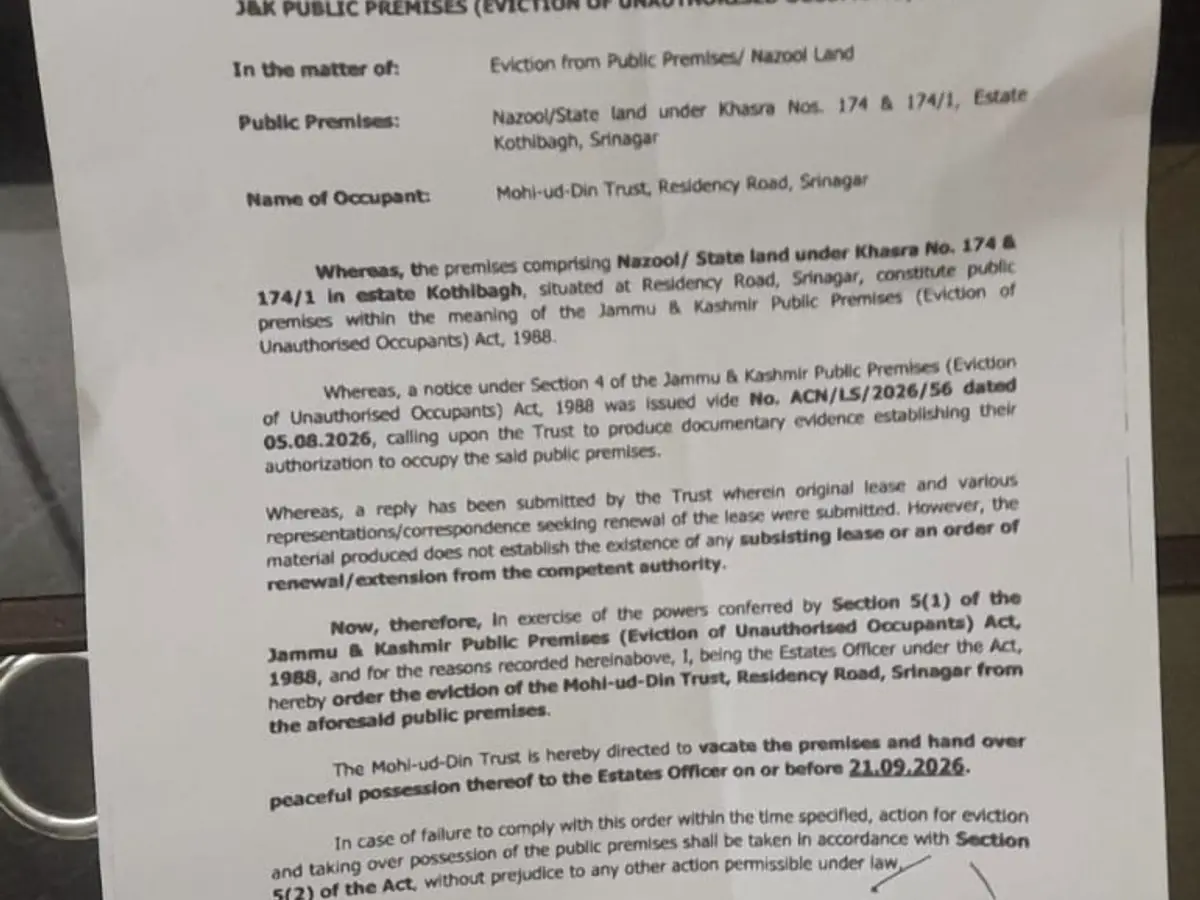
Nazool Land Eviction Notices Alarm Srinagar’s Business Community

Parliament Rumours, Cabinet Delays and Government Updates Dominate India

ABVP Retains DUSU Control After Delhi University Elections

BRICS Conference, Political Developments and India’s Clean-Energy Push

Bengal SIR Dispute Deepens Over Voter Appeals and Tribunals