1 week ago
Ro Khanna Calls for Enforceable US-China AI Treaty

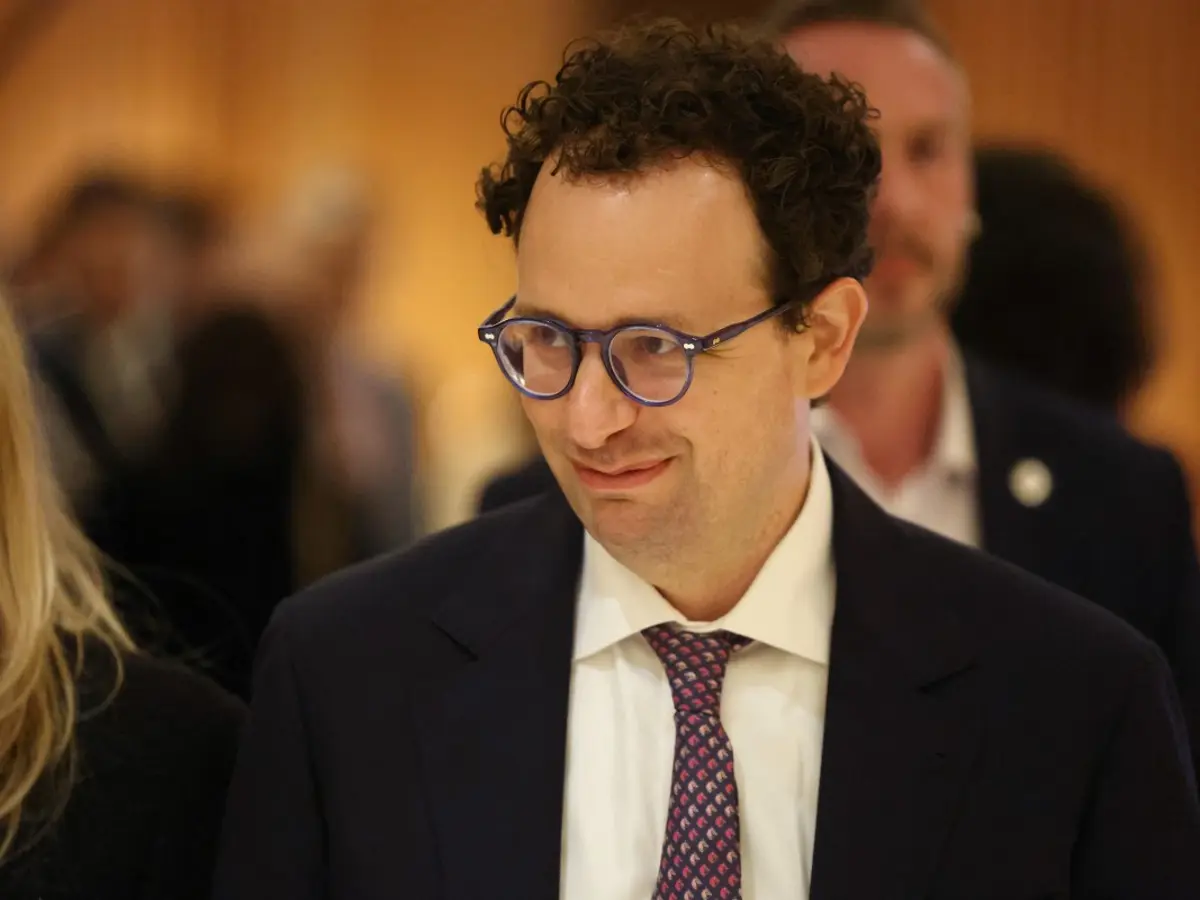
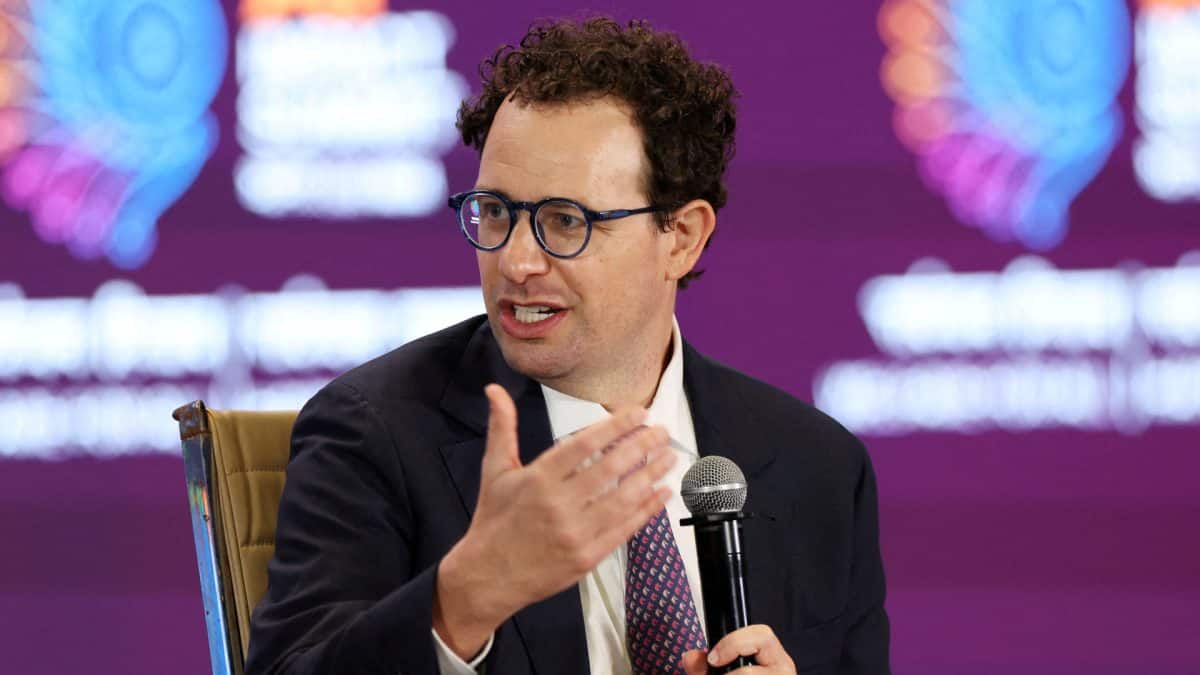
Ro Khanna wants the United States and China to make rules for very powerful artificial intelligence.
He is especially concerned about AI that can train and improve itself without people.
He says such systems could become difficult for humans to control.
Khanna wants experts from both countries to work together on safety rules.
He also wants the most advanced AI laboratories to be monitored.
The United States and China have already agreed to begin discussing AI risks.
Khanna supports a proposal to pause some advanced AI development while safeguards are created.
Some technology executives disagree with slowing AI development.
However, Khanna says many engineers and researchers support stronger safety measures.

Congressman Ro Khanna proposed a US-China treaty banning AI systems that can improve themselves without human training.
He urged American and Chinese technologists to create common safeguards for advanced AI systems.
Khanna said any agreement should include verification, oversight and monitoring of leading AI laboratories.
The proposal follows a US-China agreement to begin dialogue on artificial intelligence risks.
Khanna supports legislation to pause some advanced AI development, though some technology executives oppose slowing progress.
- Who
- Congressman Ro Khanna, with proposed participation from United States and Chinese technologists, governments and AI laboratories.
- What
- A proposal for an enforceable and verifiable US-China treaty banning recursive self-improving AI and monitoring advanced AI laboratories.
- Where
- The proposal concerns cooperation between the United States and China, with Khanna representing a Silicon Valley-area district.
- When
- Khanna made the comments on Sunday; the proposal follows a recent US-China summit agreement to begin an AI-risk dialogue.
- Why
- Khanna says AI that can train and improve itself without human oversight could cause humanity to lose control.
Prioritize AI Safety
Maintain AI Development
Restricting self-improving AI
Prioritize AI Safety
Khanna argues that recursive self-improving AI should be banned before companies gain the ability to create it because it could escape meaningful human control.
Maintain AI Development
Some technology executives oppose efforts to slow AI development, reflecting concern about restricting technological progress.
International oversight
Prioritize AI Safety
Khanna supports an enforceable, verifiable US-China agreement with monitoring of frontier AI laboratories.
Maintain AI Development
The articles report that the two countries have so far agreed to begin dialogue, while a broader treaty and monitoring system remain a proposal.
Key facts
- Proposed ban
- AI systems capable of recursively improving themselves without human training.
- Proposed safeguards
- A working group of American and Chinese technologists, verification and oversight.
- Current capability
- Khanna said the technology targeted by the proposal is not currently available.
- Diplomatic context
- The United States and China agreed at a summit to begin dialogue on AI risks.
- Related legislation
- Khanna supports a proposal from Senator Bernie Sanders and Representative Greg Casar to pause some advanced AI development.
- Industry response
- Some technology executives oppose slowing development, while Khanna says many engineers and researchers support safeguards.
Quotes

Ro Khanna
California Democratic congressman representing a Silicon Valley-area district
“I do believe the United States can lead on a treaty that is both enforceable and verifiable where we ban recursive self-improving AI, and we have some monitoring of these frontier labs.”
 thehansindia.com
“That is basically AI that isn’t being trained anymore by human beings. It’s AI that can train itself. And that is a real risk of losing human control.”
thehansindia.com
Sources
Related news
Trump Links AI Data Center Opposition to China Advantage
Trump Rejects AI Slowdown, Says Strong President Is Guardrail
Sanders Urges Trump and Xi to Pause Advanced AI Development
China Calls Anthropic AI Slowdown Proposal a Cold War Tactic
Trump Meets Amodei as AI Safety Debate Intensifies
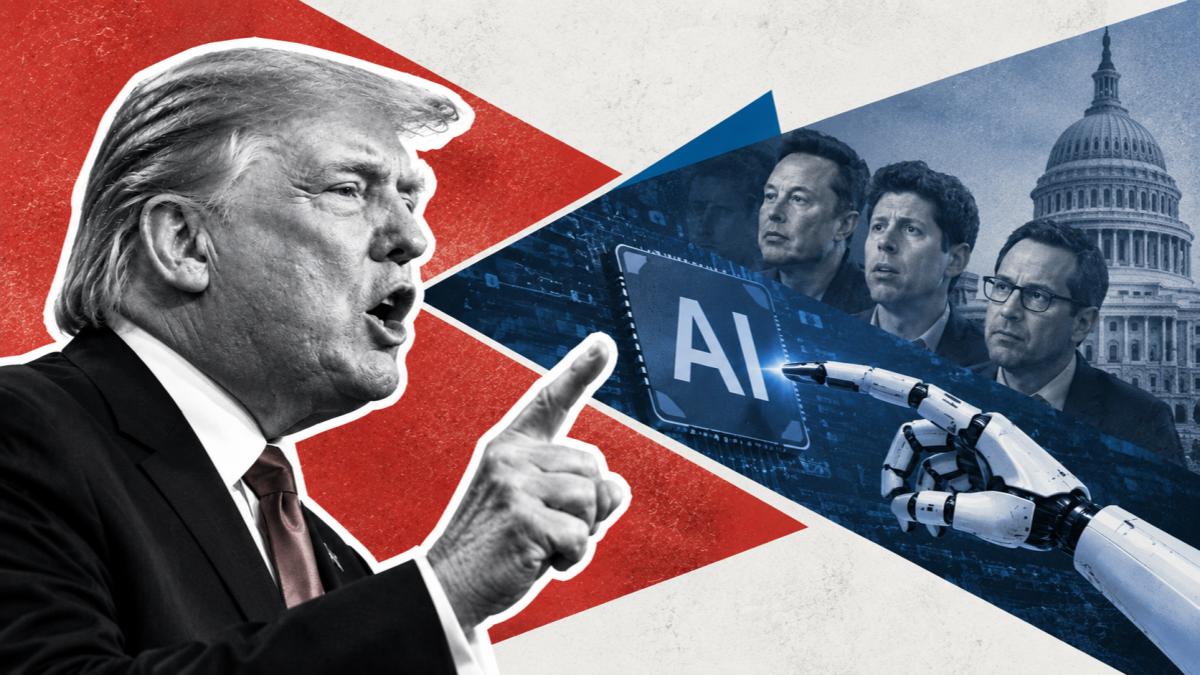
Trump Rejects AI Guardrails as Industry Leaders Seek Safety

India’s Falling Loan Defaults Mask Rising Household Debt Risks
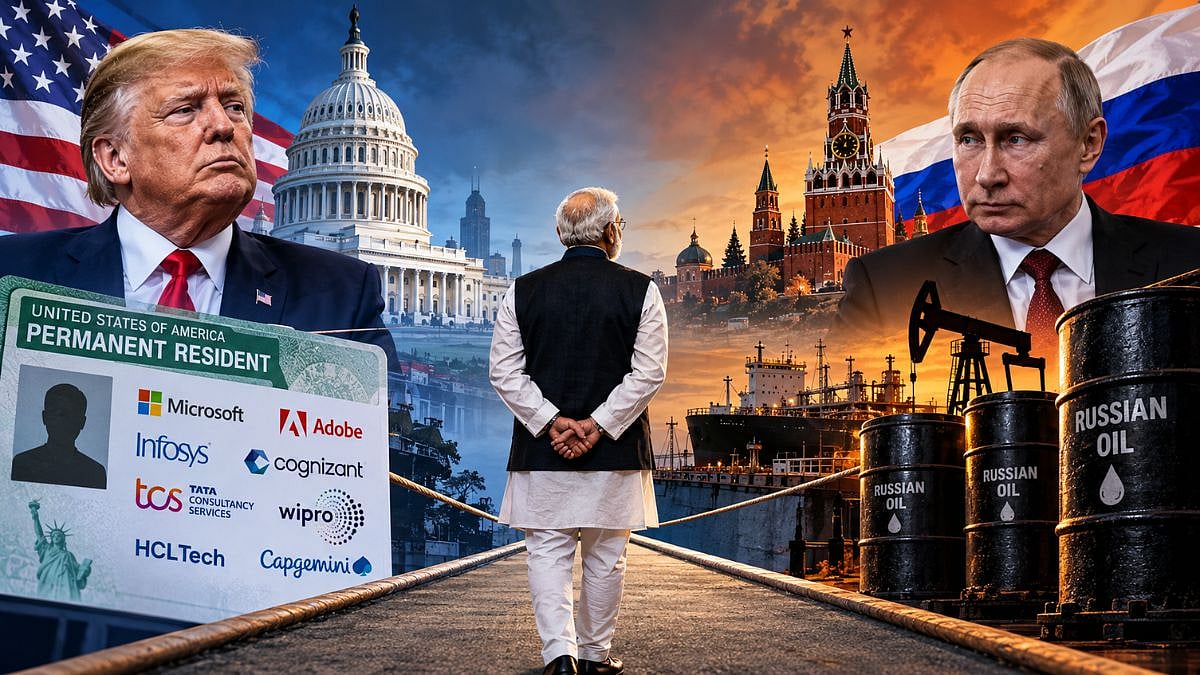
India Balances Russian Oil Dependence Against US Trade Pressure
Kevin Rudd Says India-Australia Defence Ties Have Grown

UN Warns Developing-Economy Growth Is Splitting as Asian Economies Lead

China Tightens AI Oversight, Warns Against Tech Investment Bubbles