11 hrs ago
West Bengal Faces Persistent Child Marriage Crisis Despite Welfare

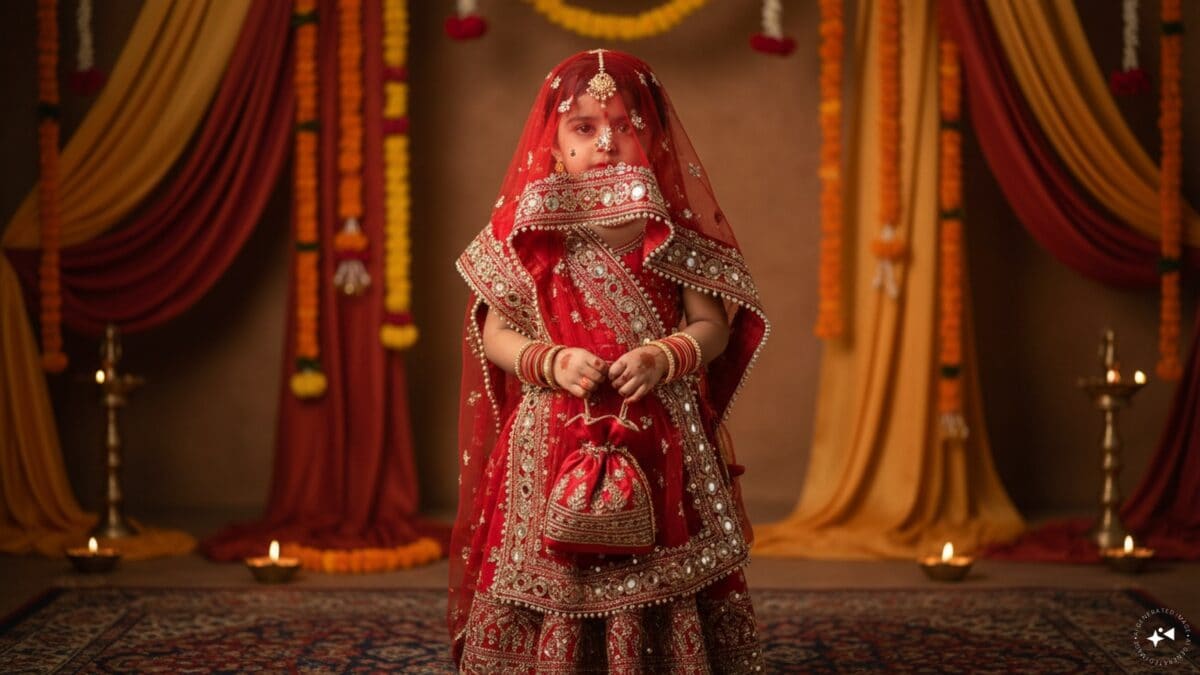
The article says many girls in West Bengal are still marrying and becoming mothers before they are 18.
Nearly 60,000 hospital births by underage girls were recorded during the first half of this year.
Murshidabad had the largest number of these births.
Other reports also show that child marriage is more common in Bengal than across India as a whole.
Early marriage can make it harder for girls to stay in school and find work.
It can also create greater health risks for young mothers.
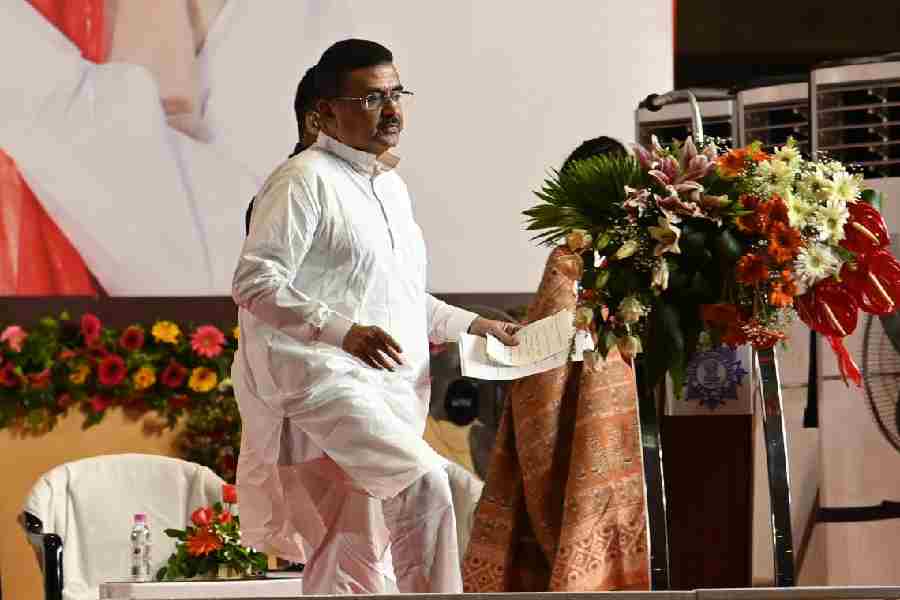
Suvendu Adhikari blamed the former Trinamool Congress government for not doing enough.
The article says punishment may be needed, but it will not solve the problem by itself.
Education, financial help and efforts to change social attitudes are also needed.

Nearly 60,000 institutional deliveries by underage girls were reported in West Bengal between January 1 and June 30 this year.
Murshidabad recorded about 13,000 such deliveries, followed by 4,178 cases in South 24 Parganas.
The 2025 Sample Registration System report said 6.3% of current marriages in Bengal involved girls under 18, compared with 2.1% nationally.
The National Family and Health Survey-5 found that 41.6% of women aged 20-24 in Bengal had married before 18.
The editorial argues that legal punishment should be combined with education, economic rehabilitation, social awareness and targeted financial support.
- Who
- West Bengal girls and women, the state government, and communities affected by child marriage; Chief Minister Suvendu Adhikari is cited in the discussion.
- What
- West Bengal has reported high levels of child marriage and underage pregnancy, including nearly 60,000 institutional deliveries by underage girls in the first half of this year.
- Where
- West Bengal, especially Murshidabad, South 24 Parganas, Birbhum, East Midnapore and West Midnapore.
- When
- The delivery figures cover January 1 to June 30 this year; other cited data come from 2025 and the 2019-2021 survey period.
- Why
- The article links the problem to education, residence and household wealth, while also citing entrenched social norms and disputed government responses.
Punishment and accountability
Education and broader intervention
Main response
Punishment and accountability
Supporters of the proposed government approach emphasize punitive action under child-protection laws, including penalties for husbands, families and people who facilitate underage marriages.
Education and broader intervention
The editorial argues that punishment should not be the principal strategy and must be paired with sustained social and economic interventions.
Responsibility for the crisis
Punishment and accountability
Suvendu Adhikari blamed the former Trinamool Congress government for apathy and for allegedly failing to share data with the Centre.
Education and broader intervention
The editorial says a political blame game is unlikely to address an embedded social problem.
Effectiveness of welfare schemes
Punishment and accountability
The previous government relied on schemes such as Kanyashree to keep girls in school and delay marriage.
Education and broader intervention
The editorial says cash incentives alone have not overturned entrenched social norms and calls for education, sensitisation, economic rehabilitation and targeted support.
Key facts
- Underage deliveries
- Nearly 60,000 institutional deliveries by underage girls were reported from January 1 to June 30 this year.
- Highest district figure
- Murshidabad recorded around 13,000 underage childbirths.
- Second-highest district figure
- South 24 Parganas recorded 4,178 cases.
- Marriage rate
- The 2025 Sample Registration System report found that 6.3% of current marriages in Bengal involved girls under 18, compared with 2.1% nationally.
- Survey finding
- The National Family and Health Survey-5 found that 41.6% of Bengal women aged 20-24 had married before age 18.
- Relevant laws
- The proposed response includes action under the Prohibition of Child Marriage Act, 2006 and the Protection of Children from Sexual Offences Act, 2012.
- Existing welfare scheme
- Kanyashree was designed to keep girls in school and delay marriage.
Sources
Related news
West Bengal Reports Nearly 60,000 Underage Deliveries in 2026
West Bengal Announces Stern Action Against Child Marriage Offenders

West Bengal Announces Crackdown on Child Marriage and Teenage Pregnancy

UN Names November 27 Global Day Against Child Marriage

Kolkata Child Marriage Case Sees Father Among Three Arrested

Young Students Honoured for Challenging Child Marriage and Blackmail

Two Arrested in West Bengal Double Rape Case

Social Activist's Intervention Leads to Medical Representative's Arrest in Thane
Medical Representative Arrested in Bhiwandi Minor Assault Case
Tamil Nadu Reports Fewer Crimes Against Women Through July 2026