1 week ago
Swole Press Trains Multiple Upper-Body Muscles Together
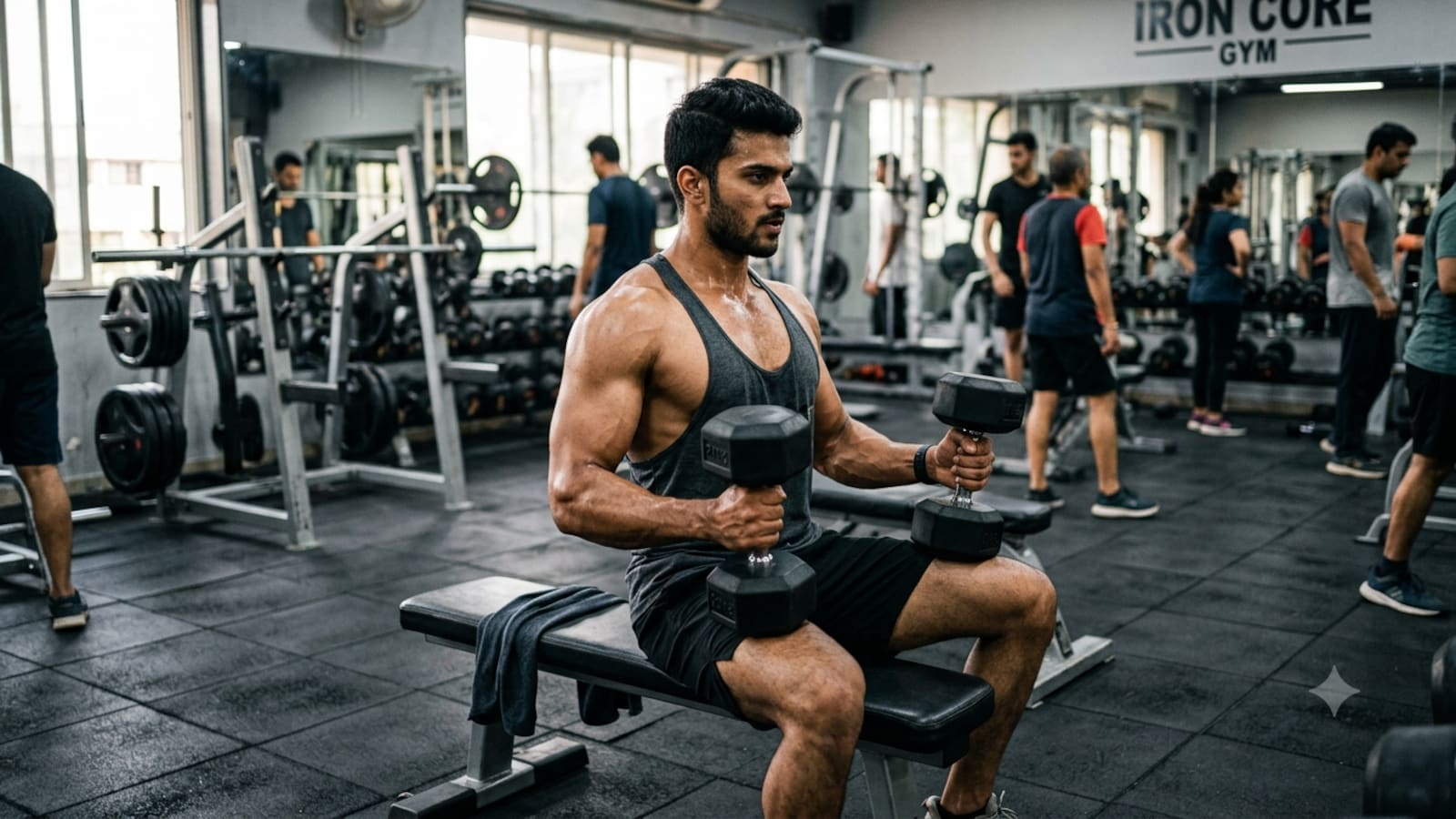
The Swole Press is an exercise that uses several upper-body muscles at once.
It includes a pushing motion and some pulling or stabilizing work.
Your chest and triceps help push the weight.
Your shoulders help press and keep the weight steady.
Your back helps control your shoulder blades.
Your core helps keep your body stable.
You should use a weight you can control instead of trying to lift too much.
The exercise can save time, but it cannot replace a complete workout.
Rest, good technique and regular training also help build strength.

The Swole Press combines pressing, pulling mechanics and upper-body stabilization.
Depending on its variation and technique, it can engage the chest, shoulders, triceps, back and core.
Controlled movement and manageable resistance are more important than lifting the heaviest possible weight.
The exercise can make upper-body workouts more efficient but should complement targeted movements.
People with shoulder, elbow, wrist or back injuries should stop if they experience sharp pain and seek professional guidance.
- Who
- People performing upper-body resistance training, especially those seeking a compound exercise.
- What
- The Swole Press is a compound movement combining pressing, pulling mechanics and stabilization to challenge several upper-body muscles.
- Where
- It can be performed as part of an upper-body workout; the articles do not specify a particular setting.
- When
- The articles do not specify a particular time; it can be included in an upper-body strength session.
- Why
- It may make training more efficient by working multiple muscle groups and joints at the same time.
Key facts
- Exercise type
- Compound upper-body movement
- Primary muscles
- Chest, shoulders, triceps and back
- Additional muscle
- The core may help stabilize the torso
- Technique priority
- Use controlled movements and a manageable load
- Workout role
- It should complement, not completely replace, targeted exercises
- Programming
- Sets and repetitions should reflect training experience and the overall program
- Safety
- People with existing shoulder, elbow, wrist or back injuries should be cautious
Sources
Related news
Sonu Sood Demonstrates Tricep Dips for Stronger Arms

Chest-Supported Reverse Flys Help Isolate Rear Deltoids
Arnold Schwarzenegger's Son Shares Old-School Back Workout Routine

Diljit Dosanjh Shares Workout Behind His Onstage Energy

Bicep Curls vs Pull-Ups: Which Builds Bigger Biceps?