1 hr ago
Why ‘Nari Shakti’ Rings Hollow When Women Speak Freely
The essay asks whether political praise for women always means women are truly respected.
It says women are often celebrated as mothers, sisters or goddesses.
But real women can make their own choices and disagree with powerful people.
They may choose whom to marry, seek jobs or report violence.
The essay argues that some leaders prefer women to be symbols rather than independent citizens.
It says the phrase “Nari Shakti,” or women’s power, can sometimes hide attempts to control women.
It connects this problem to India’s history of patriarchy, caste and communal tensions.
It also compares these ideas with the way fascist governments in Europe promoted obedient and domestic women.

The essay argues that Indian politics often praises women as mothers, sisters or goddesses while limiting their independence.
It says women’s real autonomy includes choosing relationships, reporting violence, seeking work and challenging political power.
According to the essay, symbolic claims about female power can become a justification for protection, surveillance and control.
It connects this tension to India’s freedom struggle and the continuing influence of caste, patriarchy and communal anxieties.
The essay notes that Nazi Germany and Fascist Italy also promoted obedient, domestic and reproductive ideals for women.
- Who
- The essay discusses Indian women, political actors, the Rashtriya Swayamsevak Sangh and historical fascist regimes in Europe.
- What
- It argues that symbolic praise of women can coexist with restrictions on women’s freedom and political equality.
- Where
- The main focus is India, with comparisons to Nazi Germany and Fascist Italy.
- When
- The essay addresses contemporary political language while also discussing India’s freedom struggle and the period after the Rashtriya Swayamsevak Sangh was founded in 1925.
- Why
- The essay says independent women can challenge patriarchal authority, caste rules, communal expectations and political control.
Key facts
- Central argument
- Women may be celebrated symbolically while their real independence is restricted.
- Political phrase examined
- “Nari Shakti,” or women’s power.
- Symbols discussed
- Mother, sister, goddess and Bharat Mata.
- Autonomy examples
- Choosing relationships, reporting sexual violence, seeking work and challenging authority.
- Historical organization
- The Rashtriya Swayamsevak Sangh was founded in 1925.
- European comparison
- Nazi Germany and Fascist Italy are described as treating feminism and women’s independence as threats to the nation.
Sources
Related news

India’s Women Face Conditional Freedom Despite Empowerment Claims

Rahul Gandhi Urges Women to Smash Patriarchy at Pune Event

Rahul Gandhi Urges Women to Break Social, Economic Cages

Rahul Gandhi’s ‘Break the Cage’ Call Draws BJP Criticism
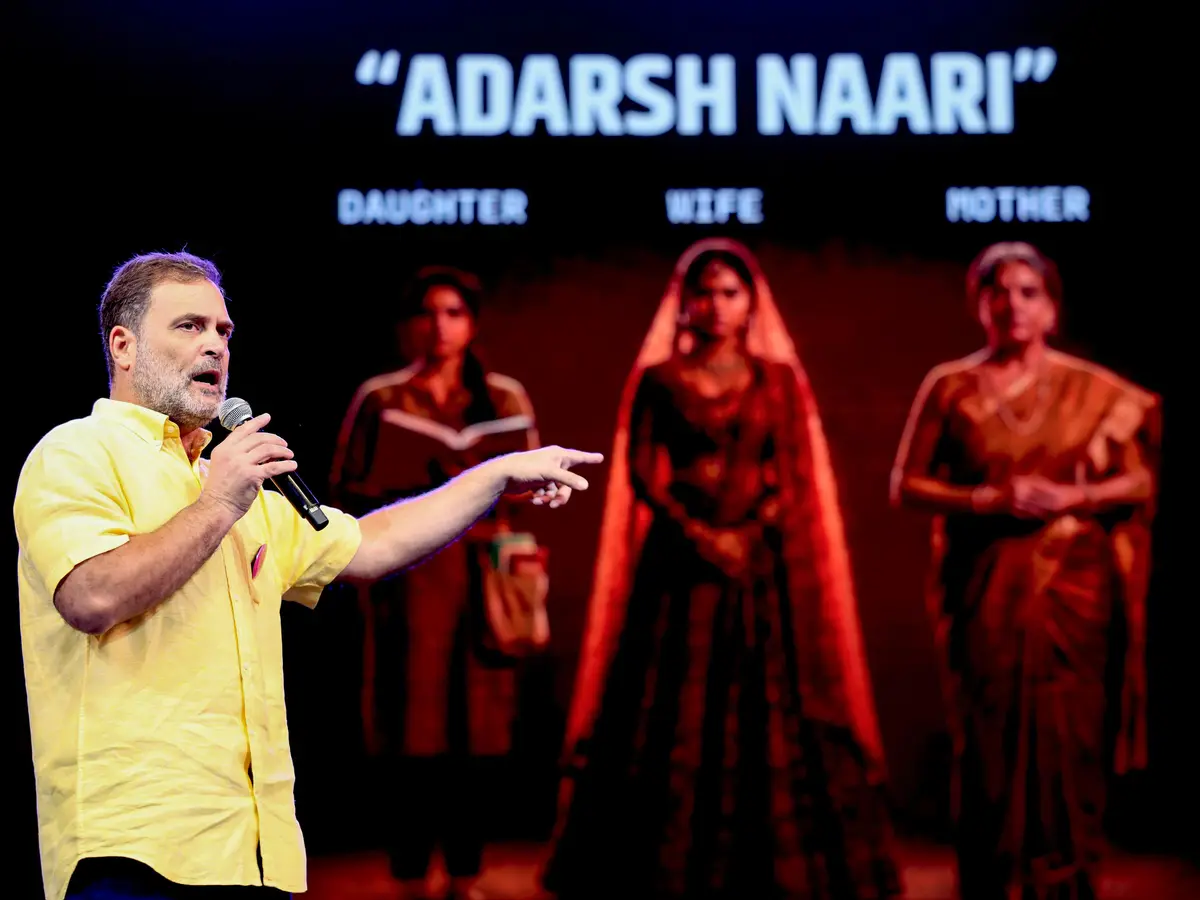
Rahul Gandhi Targets Patriarchy in Congress Women Voter Strategy

Rahul Gandhi Urges Women to Break Social Cages

ABVP Urges Two-Stage Exams, Twice-Yearly NEET Reforms

Owaisi Says BJP’s UCC Push Targets Muslims, Not Equality
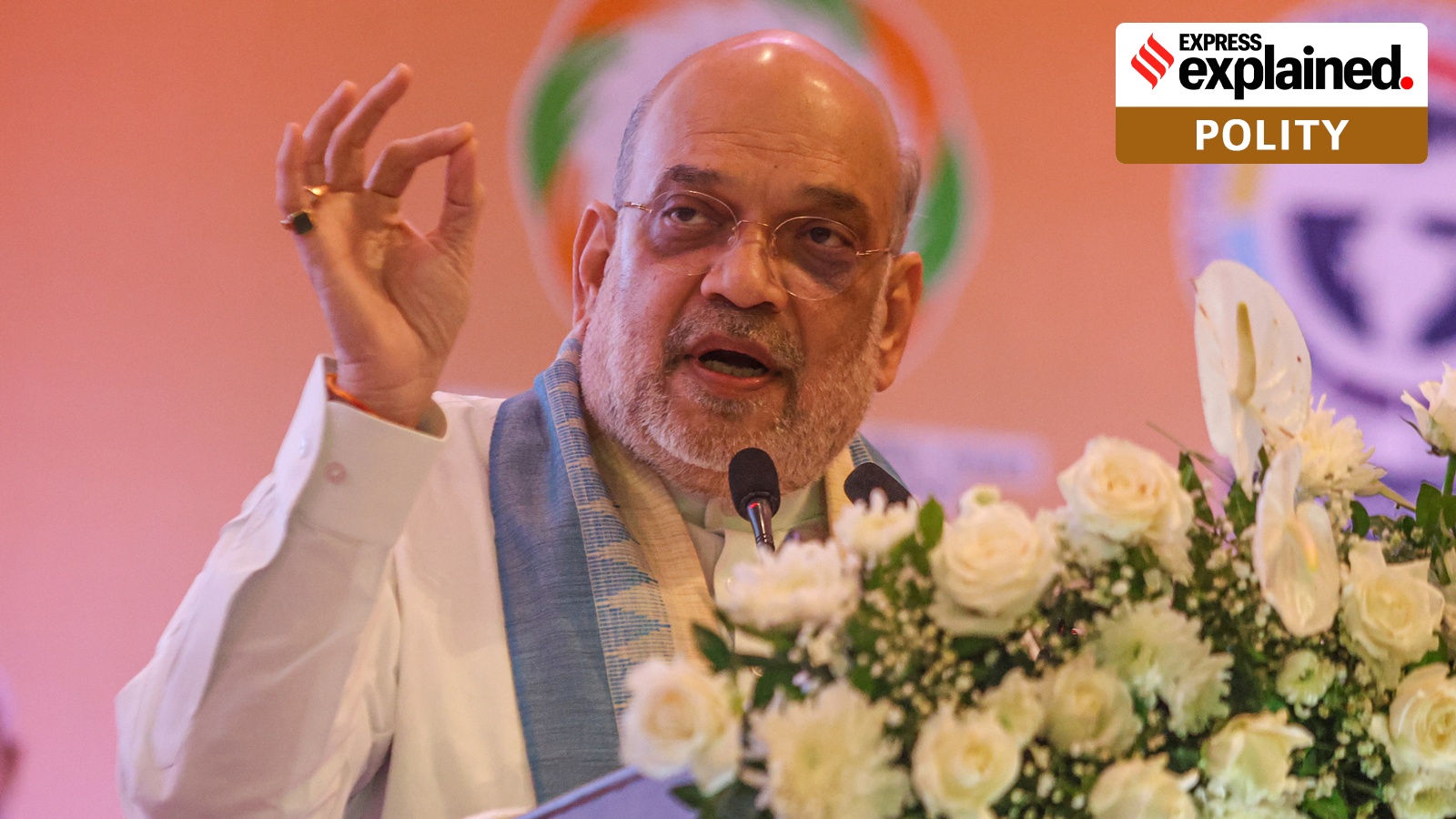
Amit Shah Pushes State-By-State UCC Rollout Before 2029

Md Salim Demands Constitutional Autonomy for Darjeeling Hills