

3 weeks ago
India considers cane ethanol curbs to tame record sugar prices
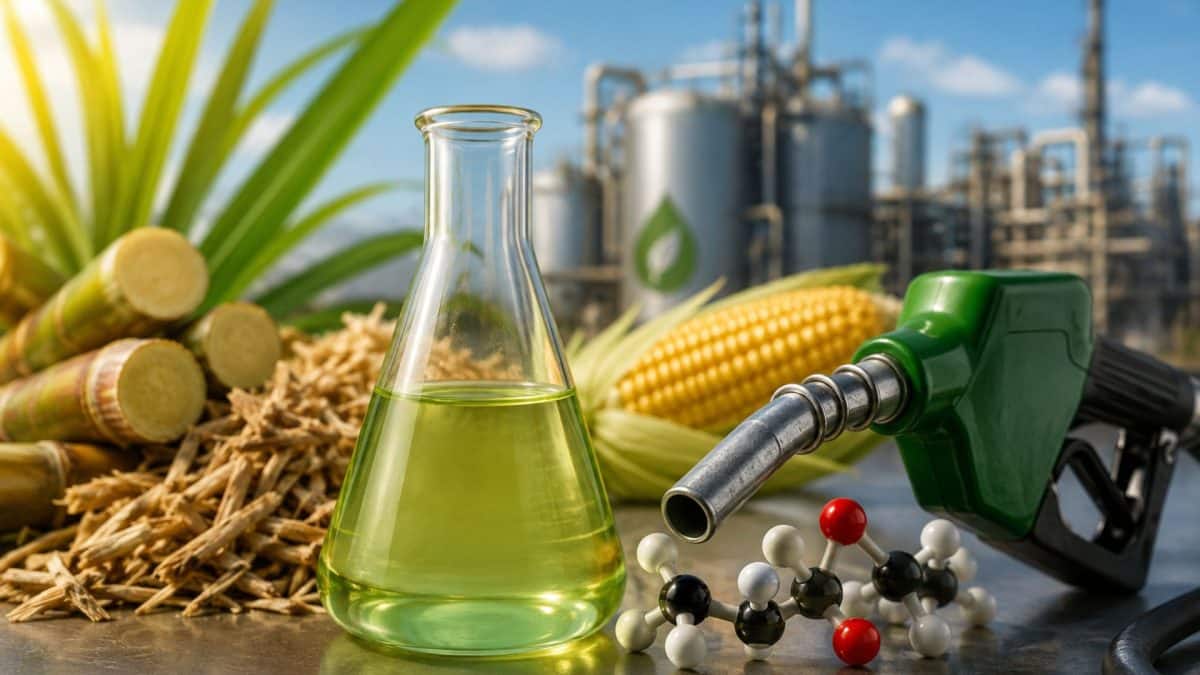
Sugarcane is a tall, sweet plant that farmers grow to make sugar, and it can also be turned into a fuel called ethanol.
In India, factories use sugarcane to make both sugar and this fuel.
This year, two big farming states, Maharashtra and Karnataka, did not get enough rain, so there may be less sugarcane next year.
Because of that, sugar has become very expensive, and prices reached their highest level ever.
The Indian government is thinking about telling factories to use sugarcane mostly for sugar instead of fuel.
That way, more sugar could reach shops — about the same amount that was turned into fuel this year.
Factories could still make ethanol from a leftover syrup called C-heavy molasses.
The country could also use corn and rice to make fuel instead.
The government has already stopped selling sugar to other countries and limited how much sugar dealers can keep in storage.
A final decision may be announced by the end of next month, before the new season begins in October.

India is considering restricting sugarcane use for ethanol in the season beginning October to boost sugar output and calm record-high prices.
Weak rainfall in Maharashtra and Karnataka, India's biggest sugarcane-producing states, has raised concerns about next year's output, with a decision possible by the end of next month.
Mills diverted about 3 million metric tons of sugar, roughly 10% of total output, to ethanol this year; curbs could add a similar volume to domestic supplies.
Indian sugar prices have risen about 10% over the past month to a record high and are expected to stay high for at least the next three months.
New Delhi has already banned sugar exports and limited dealer stocks; mills would still be allowed to make ethanol from C-heavy molasses, with corn and rice offsetting the shortfall.
- Who
- India's government, advised by two government and two industry sources who declined to be named; sugar mills and state fuel retailers are affected.
- What
- Considering restricting sugarcane use for ethanol to boost sugar output and try to calm record-high sugar prices.
- Where
- India, especially Maharashtra and Karnataka, its biggest sugarcane-producing states.
- When
- For the season beginning October; a decision could be made by the end of next month, and ethanol allocation for the marketing year beginning November is expected to be finalized before the season starts.
- Why
- Reduced rainfall threatens next year's sugar output while prices are at record highs; curbing ethanol diversion could add roughly 3 million metric tons of sugar to domestic supply and help India avoid imports.
Prioritize Sugar Supply
Protect Ethanol Program
Sugarcane use for ethanol
Prioritize Sugar Supply
Restrict ethanol production from sugarcane juice and B-heavy molasses to add about 3 million metric tons of sugar to the domestic market, easing record prices and helping India avoid imports.
Protect Ethanol Program
Keep the 20% ethanol-in-petrol blending program on track by increasing the use of corn and rice for ethanol production, whose stocks are ample.
Effect on sugar mills
Prioritize Sugar Supply
Restricting cane for ethanol could cut into mills' fuel revenue and disrupt the national ethanol program.
Protect Ethanol Program
The curbs are unlikely to significantly hurt the sugar industry because mills are expected to earn more from producing and selling sugar than from diverting sugarcane for ethanol.
Key facts
- Sugar price change
- Rose about 10% over the past month to a record high
- Sugar diverted to ethanol this year
- About 3 million metric tons (roughly 10% of total output)
- Potential supply boost
- A similar volume of sugar could be added to domestic supplies if curbs are applied
- Affected states
- Maharashtra and Karnataka, India's biggest cane-producing states
- Ethanol blending target
- 20% ethanol into petrol
- Existing curbs
- Sugar export ban and limits on stocks dealers can hold
- Allowed feedstock under curbs
- C-heavy molasses; ethanol from sugarcane juice and B-heavy molasses would be stopped
- Decision timeline
- By the end of next month, with ethanol allocation finalized before the season starts in November
Sources
Related news

Experts Link India’s Sugar Price Rise to Lower Cane Output

India’s Sugar Prices Surge as Demand, Weather and Speculation Weigh
Why India Suddenly Needs Sugar Imports as Prices Rise
India Sugar Prices Rise as Government Rejects Ethanol Link
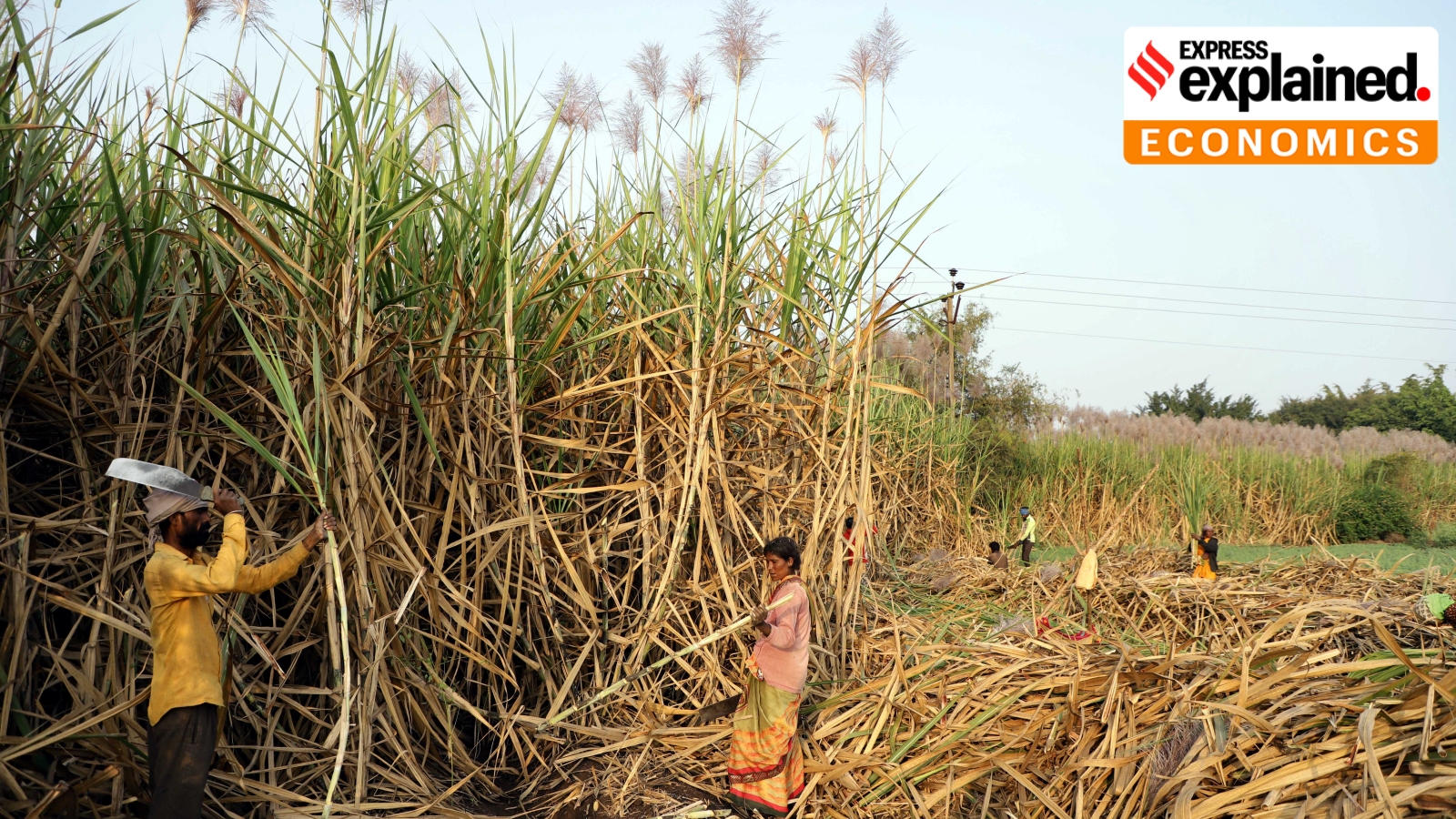
Government Rejects Ethanol Link, Blames Hoarding for India Sugar Surge
Centre Rejects Ethanol Diversion Link to Rising Sugar Prices

Maharashtra Starts DNA Profiling After Nepal Disaster Deaths

Maharashtra Launches Campaign to Improve Schools and Student Facilities
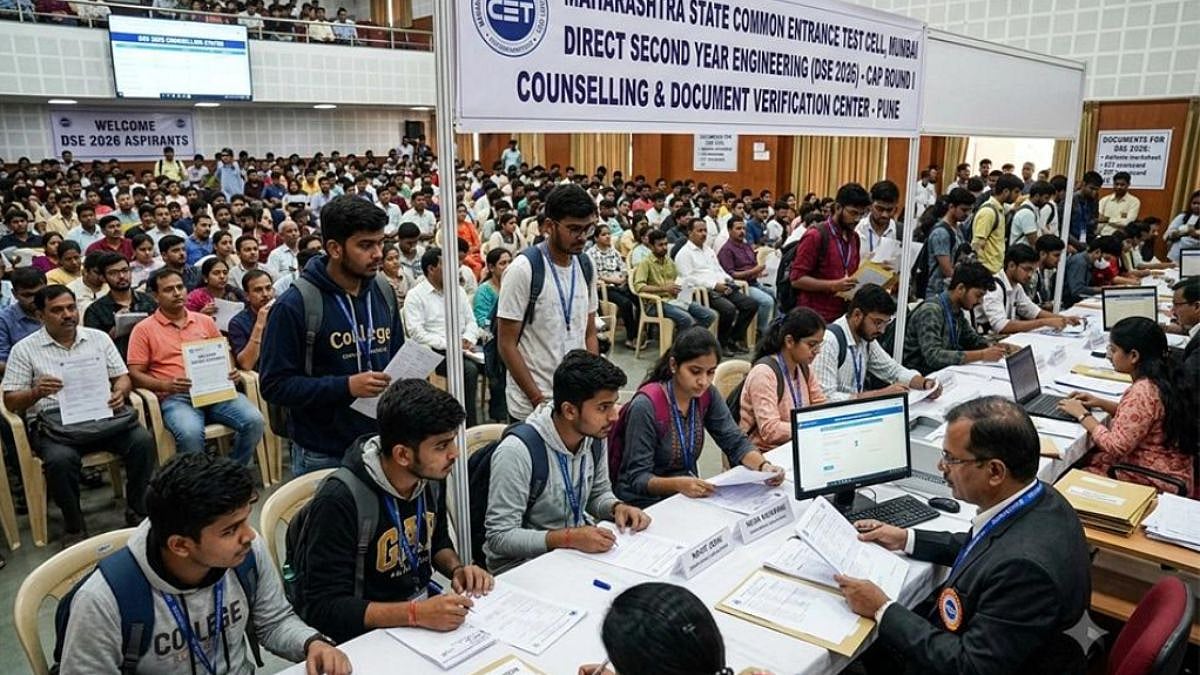
Maharashtra CET Cell Tightens Technical Admissions With Transparency Measures
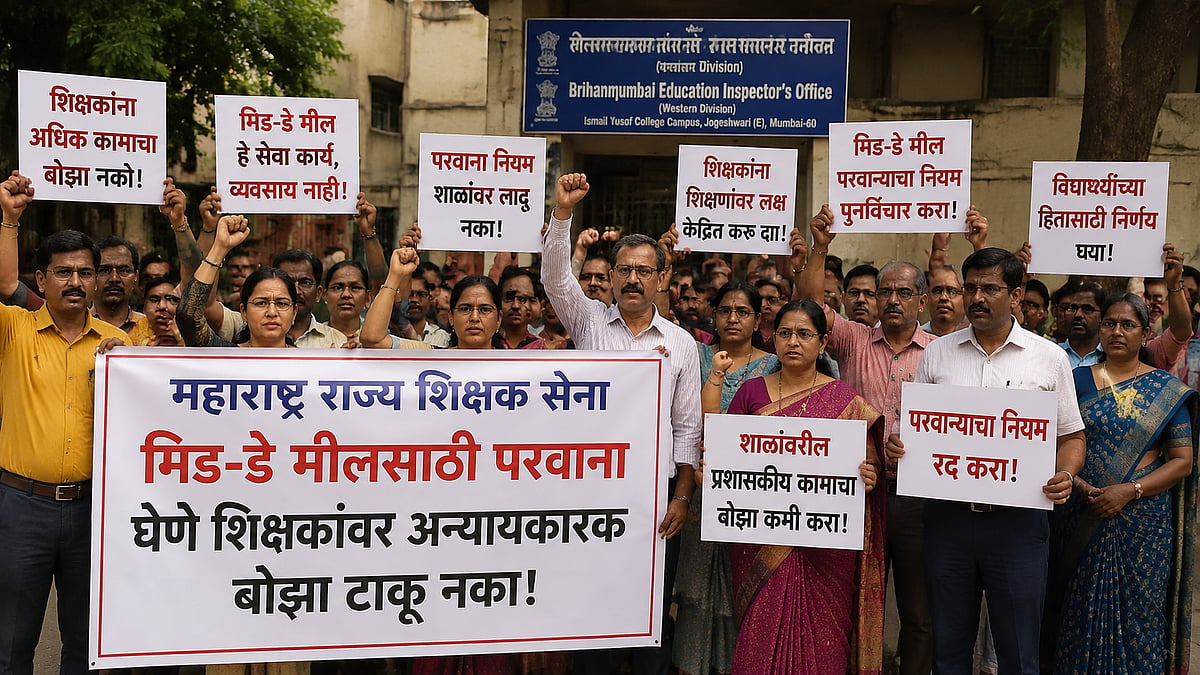
Maharashtra Teachers Protest Food Licence Rule For Mid-Day Meals

Maharashtra, Australia Plan Biomanufacturing Task Force for Joint Growth
