

1 hr ago
India’s Fighter Jet Ambitions Face Persistent Engine Challenges
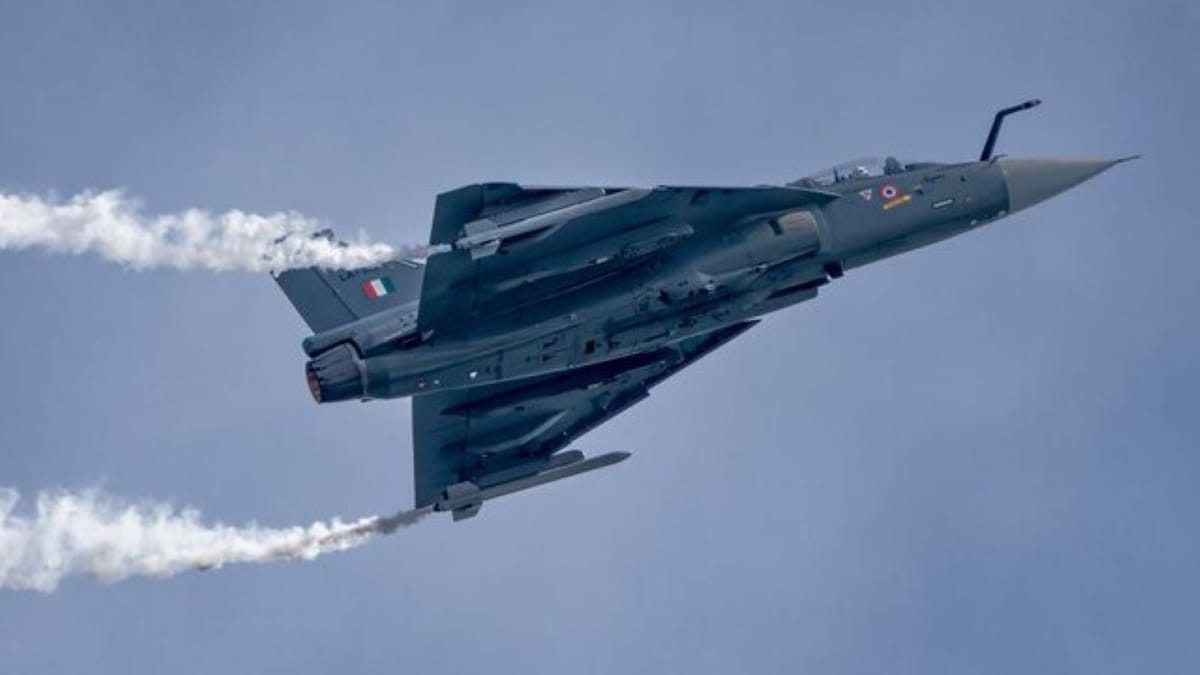
India has spent about four decades trying to build its own fighter-jet engine.
Its Kaveri engine did not produce enough power for the Tejas fighter.
The Tejas therefore uses an American General Electric engine.
India is developing newer versions of the Kaveri for drones and possibly future aircraft.
The first AMCA prototypes are also expected to use an American engine.
India is considering working with companies from France and Britain to develop a stronger engine.
Making these engines is difficult because they need special metals, coatings and very precise manufacturing.
India also faces supply risks because China produces most rare-earth magnets used in many advanced drones.

India’s Kaveri fighter-engine programme, launched in 1989, failed to meet the thrust requirements of the Tejas.
The Tejas uses General Electric’s F404 engine, while planned initial AMCA prototypes are expected to use the GE F414.
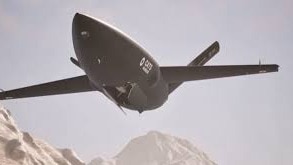
A lower-thrust Kaveri Dry Engine may power India’s Ghatak unmanned combat aircraft, while a higher-thrust Kaveri 2.0 is being pursued.
India is considering engine-development partnerships with Safran and Rolls-Royce for the Advanced Medium Combat Aircraft.
Limited high-altitude testing, advanced materials requirements and dependence on foreign rare-earth magnets remain major technological vulnerabilities.
- Who
- India’s Defence Research and Development Organisation, its Gas Turbine Research Establishment, Hindustan Aeronautics and potential foreign partners are involved.
- What
- India is trying to develop a domestically controlled fighter engine after the Kaveri failed to meet the Tejas’s requirements.
- Where
- The engine programme is centered in India, with early high-altitude Kaveri testing conducted in Russia.
- When
- The effort began in 1986, was formally sanctioned in March 1989, and continues through current Kaveri, AMCA and unmanned-aircraft programmes.
- Why
- India wants greater control over fighter-engine design, manufacturing and intellectual property while reducing dependence on foreign suppliers.
Domestic Development First
International Partnership
How India should close the engine gap
Domestic Development First
India should continue building domestic design, manufacturing and intellectual-property capabilities through programmes such as Kaveri, Kaveri 2.0 and the Dry Engine.
International Partnership
Working with an experienced foreign partner such as Safran or Rolls-Royce could provide access to technologies and expertise needed for a higher-thrust AMCA engine.
Use of foreign engines
Domestic Development First
Reliance on General Electric engines exposes supposedly indigenous aircraft programmes to an important foreign dependency.
International Partnership
Using GE engines in early Tejas and AMCA versions can allow aircraft development to proceed while India develops a domestically controlled powerplant.
Near-term unmanned applications
Domestic Development First
Applying the Dry Kaveri to Ghatak gives India’s indigenous engine effort a practical role and helps build testing, integration and production experience.
International Partnership
The Dry Engine’s reported 49–52-kilonewton output is below conventional fighter requirements, so it cannot yet replace a full-power fighter engine.
Key facts
- Kaveri approval cost
- The government sanctioned the Kaveri project in March 1989 at about ₹383 crore.
- Original thrust target
- The Kaveri was designed to produce roughly 85 kilonewtons of thrust.
- Kaveri Dry Engine output
- The non-afterburning version has demonstrated approximately 49–52 kilonewtons of thrust.
- Kaveri 2.0 target
- The redesigned higher-thrust version reportedly targets around 90 kilonewtons.
- AMCA prototype engine
- Initial Advanced Medium Combat Aircraft prototypes are expected to use General Electric’s F414 engine.
- Potential French partnership
- Safran and the Gas Turbine Research Establishment have proposed a jointly developed engine reportedly costing around ₹61,000 crore.
- Rare-earth supply concentration
- China produces more than 90% of the world’s rare-earth permanent magnets, according to the US House Select Committee on China.
Sources
Related news
India’s Sixth-Generation Fighter Ambitions Face Funding and Technology Risks
HAL Receives Three GE Engines as Tejas Production Delays Persist

AMCA Should Build India’s Sovereign Aerospace and Propulsion Ecosystem

HAL, Safran Sign Deal for India’s Aravalli Helicopter Engine

HAL and Safran Sign Deal for Aravalli Helicopter Engine
India’s Defence Push Must Advance From Production To Technology
India's CATS Warrior Drone Ready by 2027
