1 hr ago
Yellow LED Therapy Gains Attention for Redness and Skin Recovery
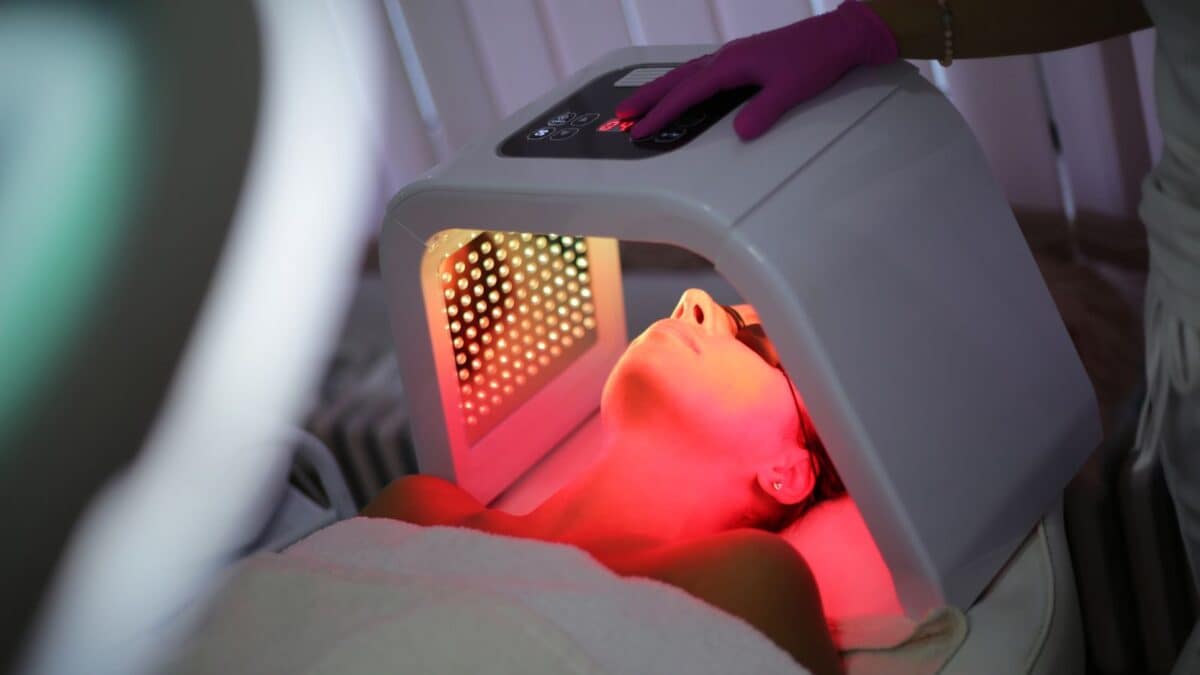
Yellow light therapy is a treatment that shines gentle amber-colored light on the skin.
It uses light wavelengths around 570 to 590 nanometres.
Researchers are studying whether it can help calm redness and support the skin as it recovers.
One study found improvements in redness and sensitivity among people with sensitive skin after repeated treatments.
Other research found less redness after a skin procedure, but results have not been the same in every study.
Some studies have explored skin tone and signs of aging, but yellow light was sometimes combined with other colors.
That means those results do not prove yellow light alone caused the changes.
It is not a guaranteed treatment for pigmentation or a proven collagen booster.
People with skin conditions or medicines that increase light sensitivity should ask a dermatologist before trying it.

Yellow or amber LED therapy uses visible light wavelengths commonly around 570 to 590 nanometres.
The non-invasive treatment is being studied for calming visible redness and supporting skin recovery.
A trial involving people with sensitive skin reported improvements in redness, water loss through the skin, and sensitivity symptoms after repeated treatments.
Some research reports reduced redness after fractional laser resurfacing, while results vary with treatment protocols.
Evidence for pigmentation and collagen benefits remains limited, and researchers say outcomes depend on wavelength, intensity, and treatment routine.
- Who
- People considering LED skincare, particularly those with visible redness or sensitive skin.
- What
- Yellow or amber LED therapy is being explored as a non-invasive treatment that may calm redness and support skin recovery.
- Where
- When
- The article was published on October 5, 2026; it also discusses a 2025 clinical study.
- Why
- Researchers are investigating whether specific yellow-light wavelengths can influence processes related to inflammation, skin repair, and complexion.
Potential benefits
Evidence limitations
Redness and sensitive skin
Potential benefits
A sensitive-skin trial reported improved redness, skin water-loss measures, and sensitivity symptoms after repeated yellow LED treatments.
Evidence limitations
Results can vary by wavelength, intensity, and treatment protocol; some research on post-procedure redness has produced mixed findings.
Tone and collagen claims
Potential benefits
Research has explored yellow light for photoaged skin, pigmentation, and cellular processes related to repair and collagen activity.
Evidence limitations
Some reported photoaging improvements followed combined light treatments, and current evidence does not establish yellow light as a standalone pigmentation treatment or guaranteed collagen booster.
Key facts
- Common wavelength range
- About 570 to 590 nanometres
- Treatment type
- Non-invasive photobiomodulation using low-intensity visible light
- Sensitive-skin trial
- A randomized controlled trial reported improvements in erythema, transepidermal water loss, and subjective sensitivity symptoms after repeated 590 nm treatments.
- Post-procedure redness
- One study reported reduced intensity and duration of redness after fractional laser resurfacing; other research found mixed results.
- Photoaged skin study
- A 2025 study examined 570 nm and 590 nm yellow light alongside red and infrared LED and reported improvements after eight weeks.
- Evidence caveat
- Because multiple wavelengths were used in the 2025 study, its results cannot be attributed to yellow light alone.
- Safety advice
- People with skin conditions, significant sensitivity, or medication-related light sensitivity are advised to consult a dermatologist.
Sources
Related news
PDRN Skincare May Support Skin, But Hype Needs Perspective

Karmic Beauty Promotes Longevity-Based Indian Skincare and Haircare

Athiya Shetty Shares Rice Water Hack for Pigmentation
Aloe Vera May Soothe Heat Boils, But Has Limitations

Doctors Warn Viral Glutathione IV Drips May Pose Risks