2 hrs ago
Making Maharashtra Free From Armed Maoism Requires Continued Care
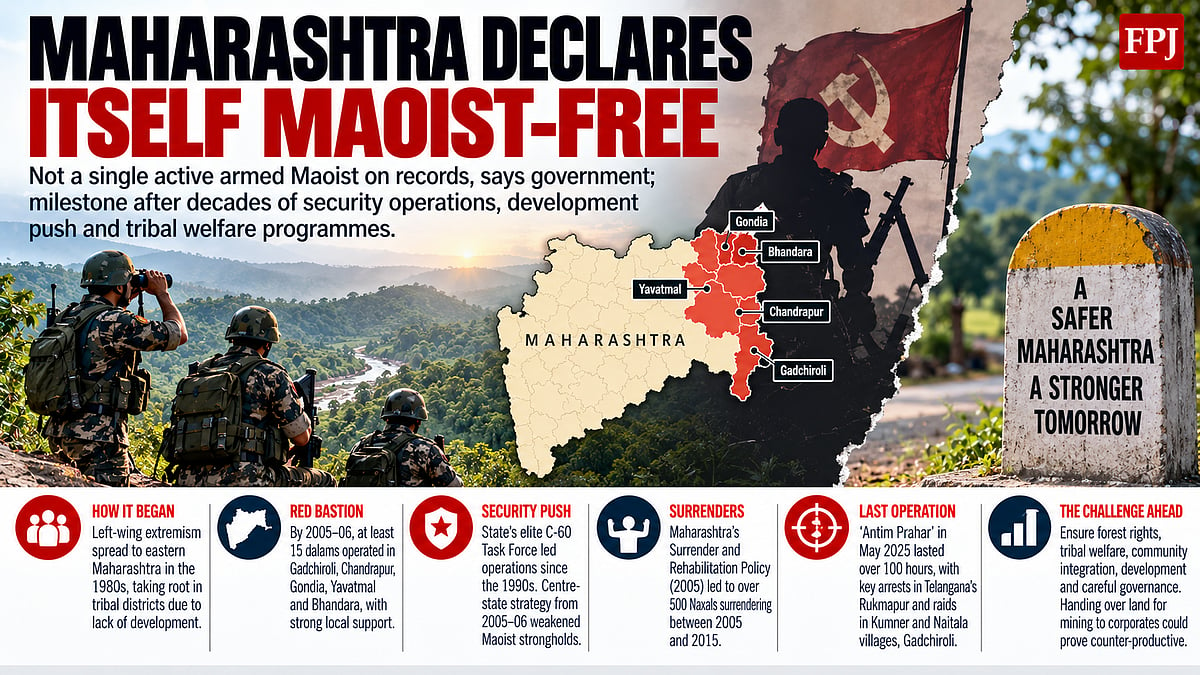
Maharashtra’s government says there are no active armed Maoists left in the state.
This follows many years of work by security forces and government programmes in affected districts.
In May, a long operation called Antim Prahar included arrests and raids.
A policy that encouraged Maoists to surrender also helped reduce their numbers.
The article says Chief Minister Devendra Fadnavis deserves credit, but earlier leaders helped build the approach too.
It also remembers security personnel who died while doing their jobs.
The author says the work is not finished just because armed Maoism has declined.
Tribal people still need their rights, services and opportunities protected.
The author warns that prioritizing mining over local communities could create new problems.

The Maharashtra government says no active armed Maoists remain on its records.
A more than 100-hour operation called Antim Prahar took place in May, including arrests and raids in Gadchiroli.
Security operations, development efforts and a surrender policy contributed to the decline of Maoist activity over several decades.
The article credits Chief Minister Devendra Fadnavis while noting that he built on strategies developed by predecessors.
It warns that tribal rights, welfare and local development must be protected, and says handing forests to mining interests could be counterproductive.
- Who
- The Maharashtra government, security forces, tribal communities and Maoists.
- What
- The state has declared that no active armed Maoists remain on its records.
- Where
- Maharashtra, particularly Gadchiroli and other affected eastern districts.
- When
- The declaration was made this week; the article also describes a decisive operation in May of this year.
- Why
- The article attributes the reported milestone to decades of security operations, development programmes and surrender efforts.
Security and government priorities
Community rights and development concerns
Declaring the state Maoist-free
Security and government priorities
The state’s assertion that no active armed Maoists remain marks the outcome of sustained security operations and development efforts.
Community rights and development concerns
The article urges caution: the declaration should not obscure the continuing need to protect tribal rights and address local needs.
Mining and the future of affected areas
Security and government priorities
The article says the government appears to be making Maoist-free districts available for corporate mining.
Community rights and development concerns
The author warns that prioritizing mining over forest rights, community integration and welfare could be counterproductive.
Use of the Maharashtra Special Public Security Act
Security and government priorities
The article describes the law as part of the sharp action taken against Maoists and their alleged support bases.
Community rights and development concerns
It characterizes the targeting of urban support bases under the law as controversial.
Key facts
- Government claim
- No active armed Maoists remain on Maharashtra’s records.
- Decisive operation
- Antim Prahar lasted more than 100 hours and took place in May.
- Operation locations
- The article mentions Rukmapur railway station in Telangana and raids in Kumner and Naitala villages in Gadchiroli.
- Surrender policy
- Maharashtra’s Surrender and Rehabilitation Policy was introduced in 2005.
- Reported surrenders
- More than 500 Naxals surrendered between 2005 and 2015.
- Historical strongholds
- By 2005–06, the article says there were at least 15 Maoist dalams across the affected districts.
- Ongoing concerns
- The article calls for tribal forest rights, welfare for surrendered Naxals, socio-economic development and responsive governance.
Sources
Related news
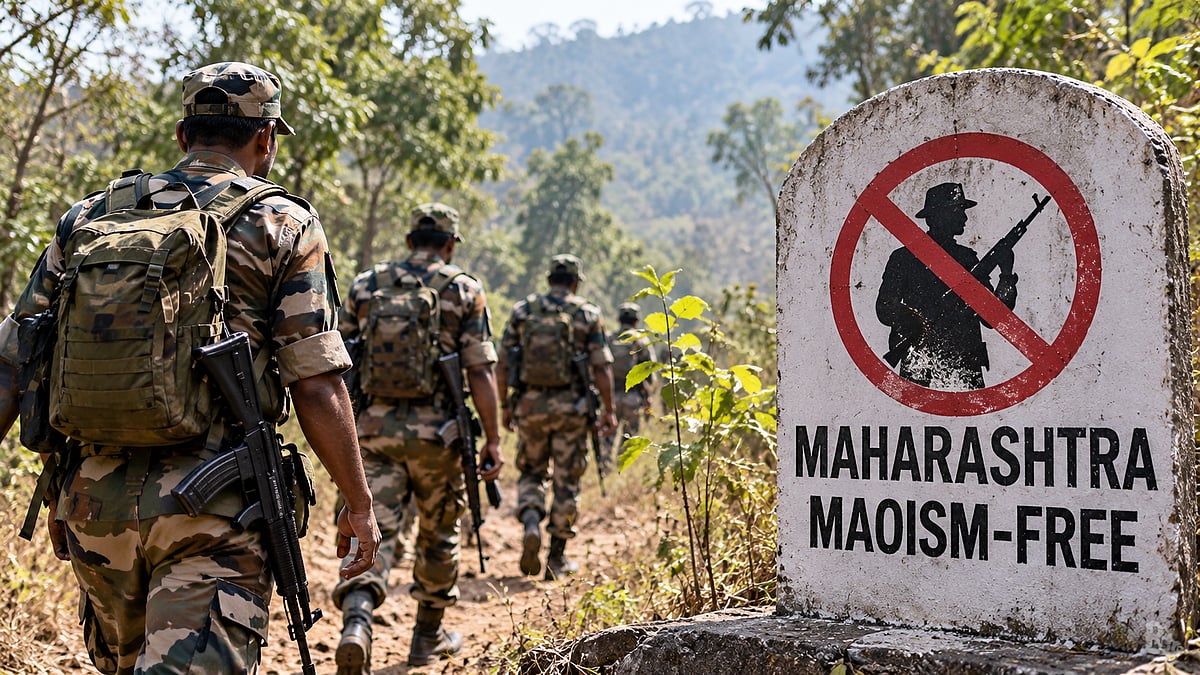
Maharashtra Declared Free of Active Armed Maoists After Campaign
Gogunda Moves Beyond Maoist Stronghold Through Security and Development
Maharashtra Sets Aside ₹25,000 Crore for Tribal Development
Two Maoists Surrender Before Andhra Pradesh Police in Palnadu
Minister Links Marathwada Martyrs’ Tribute To Regional Development
Surrendered Naxals Await Approval To Return Home

Maharashtra Prepares for El Nino Amid Widespread Drought
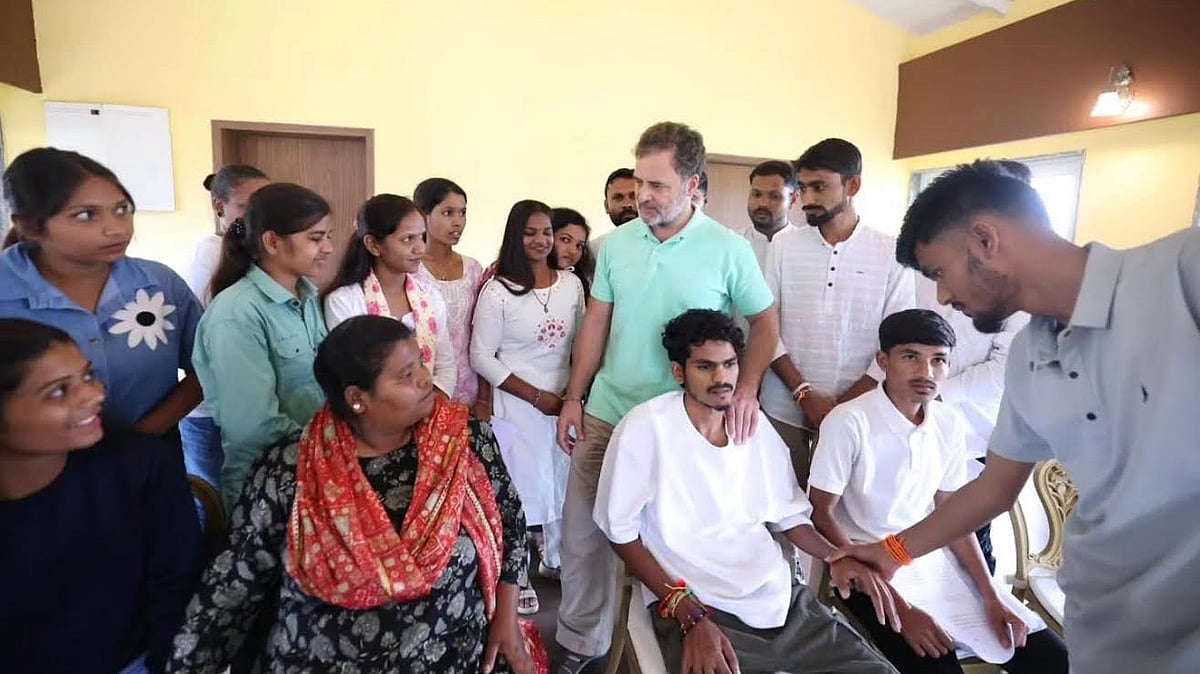
Rahul Gandhi Backs Maharashtra Tribal Students Amid Ongoing Demands

Bombay High Court Orders Care for Fasting Tribal Students