3 weeks ago
The Art of Asking the Right Questions: Curiosity Over Nosiness
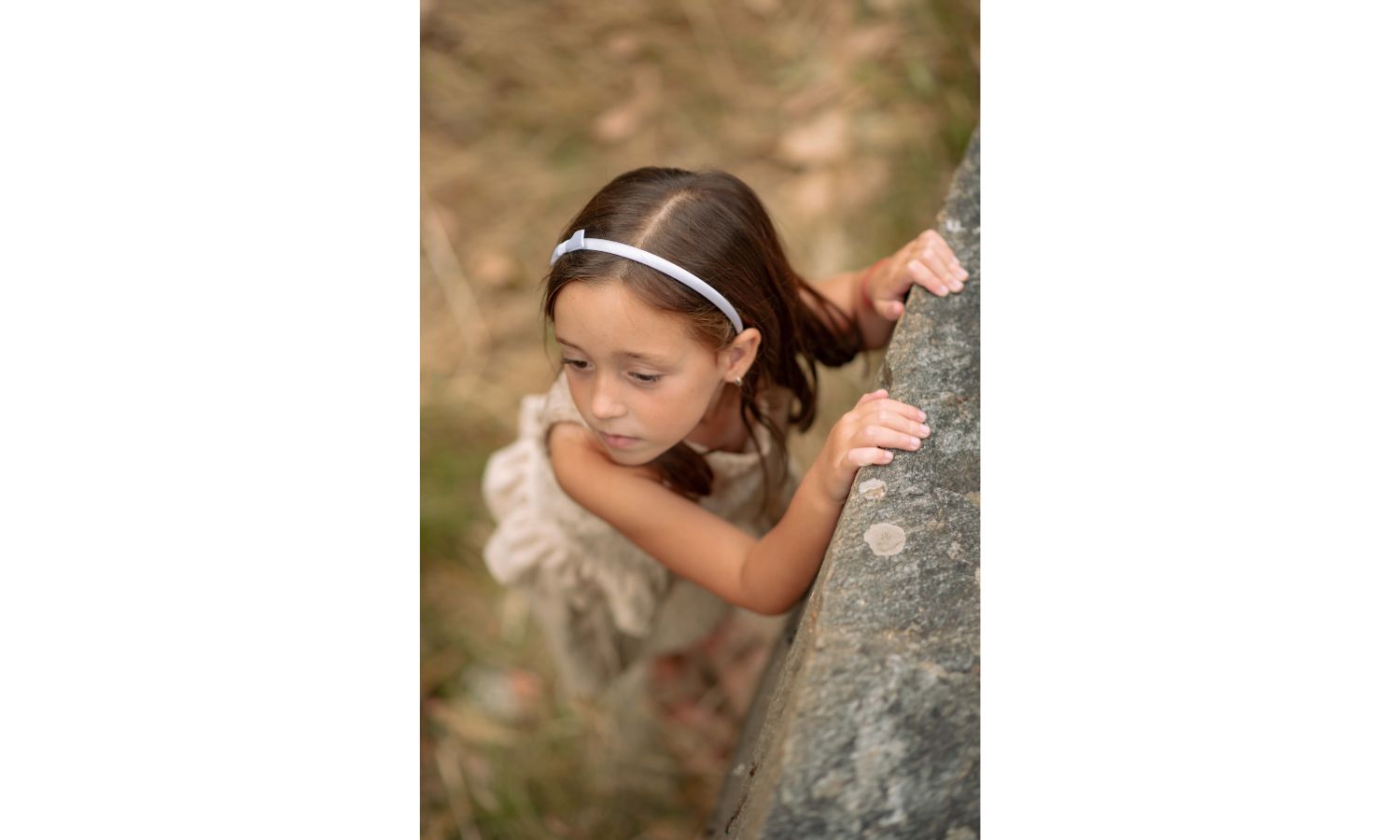
The writer met a little girl at a vegetable market one day.
She wanted him to push her on a swing, without even saying a word.
Then she explored everything around her — the trees, the tables, and even chased a crow.
She asked her mother lots of questions about the world.
The writer also knows a grown-up friend who asks too many personal questions about money and private things.
The writer explains that the girl asks questions because she is curious and wants to understand.
The friend asks questions because he is nosy and doesn't respect boundaries.
When children are stopped from being curious, they may grow up to be adults who ask the wrong questions.
The writer is happy that many young people in India today still love to ask questions.
Asking questions helps us learn and see the truth about the world.

The author was wordlessly assigned to push a five-year-old girl on a swing at a vegetable market bungalow.
The essay contrasts the girl's exploratory curiosity with a friend who asks everyone about salaries, children's careers and maintenance costs.
Devulapalli argues the child's questions come from wonder and adventure, while the friend's come from nosiness and a lack of boundaries.
He suggests children whose curiosity is curbed may grow into 'childish adults' who ask questions they ought not to.
He is glad early-2000s Indian children have kept their desire to question and are exposing uncomfortable truths about the country.
- Who
- Krishna Shastri Devulapalli, a five-year-old girl, and an unnamed friend who interrogates people about private details.
- What
- An opinion essay contrasting childlike curiosity with adult nosiness and arguing that suppressed curiosity creates adults who ask the wrong questions.
- Where
- An old bungalow with a tree-filled compound used as a vegetable market in India.
- When
- No specific date given; the essay references events across India over 'the last few weeks.'
- Why
- To explore why genuine curiosity is admirable while nosy questioning is unbearable, and to defend young Indians who keep questioning authority.
Key facts
- Author
- Krishna Shastri Devulapalli
- Format
- Opinion essay
- Central theme
- Curiosity versus nosiness
- Key anecdote
- Five-year-old girl assigns the author swing-pushing duties without a single word
- Contrasted figure
- A friend who asks about salaries, children's incomes and maintenance payments
- Main argument
- Curbed childhood curiosity produces 'childish adults'
- Setting
- Old bungalow compound vegetable market
- Closing point
- Early-2000s children in India still seek, question and challenge
Sources
Related news

Pierre-Marc-Gaston Quote Explains Why Questions Matter More Than Answers

Amish’s Children’s Book Follows Rivals Through a History Quiz

Sujatha Ramdorai’s Journey from Number Plates to Number Theory

Gurudev’s Viral Three-Hour Dialogue Reaches India’s Gen Z

Grandmother’s Innocent ChatGPT Conversation Divides Social Media Users

Beyond the mould: educationist launches question-answer science book for children

Delhi High Court Protects Women Returning From Maternity Leave

Goyal Defends India’s 7.8% GDP Growth Against Critics

GIFT City Channels Nearly $53 Billion Through FCNR(B) Scheme

Rubio Says India and Iran Discussed No Trade Deal

India’s Solar Module Glut Threatens Factories With Low Utilisation