2 hrs ago
Why Literary Places Feel Real Yet Remain Imagined
People often visit places because they appeared in books they love.
These places are real, but the versions in our minds are partly invented.
Writers choose, change and imagine details about landscapes and towns.
Thomas Hardy, for example, created Wessex from real parts of southern England and fictional ideas.
When readers visit, they compare the real place with the one they imagined.
This can feel like missing a place they have never actually lived in.
Museums also mix writers’ real lives with the fictional stories they created.
That is why literary tourists keep searching for the meeting point between books and the real world.

Literary tourism is gaining renewed attention through classic novels and book-inspired travel trends on TikTok.
Places such as Haworth, Bath, Dorset and the Lake District are both real locations and literary reinterpretations.
Thomas Hardy’s Wessex combined invented place names with southern England’s geography and was described as “partly real, partly dream.”
Visitors compare physical destinations with landscapes they have already constructed through books, films, photographs and other references.
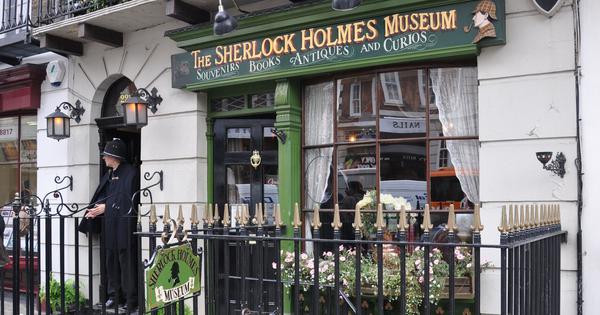
Museums and attractions often blend authors’ biographies with fictional worlds, as seen at Haworth, Chawton and 221B Baker Street.
- Who
- Readers, literary tourists, writers and museums associated with authors including the Brontës, Jane Austen, William Wordsworth, Charles Dickens, Thomas Hardy and Arthur Conan Doyle.
- What
- Literary tourists are visiting real places connected with books while seeking landscapes and worlds they have first encountered in their imaginations.
- Where
- Locations discussed include Haworth, Bath, Chawton, the Lake District, Dorset, southern England and 221B Baker Street in London.
- When
- The practice has roots in the late 19th century and is experiencing renewed interest, including through book-related TikTok travel trends; a Guardian account described a Hardy pilgrimage in 2025.
- Why
- Visitors want to connect fictional worlds with real geography and gain a sense of intimacy with authors, characters and stories.
Key facts
- Trend
- Literary tourism is receiving renewed attention, including through TikTok travel itineraries inspired by books.
- Early literary mapping
- William Lyon Phelps published a Literary Map of England in 1899.
- Literary geography
- William Sharp’s Literary Geography appeared in 1904 and included “Dickens land,” “the Brontë country” and the English lakes.
- Thomas Hardy’s Wessex
- Hardy created a fictional territory using invented names mapped onto southern England.
- Key concept
- Literary places combine real geography with readers’ and writers’ imagination.
- Museums
- The Brontë Parsonage, Jane Austen’s house at Chawton and the Sherlock Holmes Museum connect physical sites with literary worlds.
- Sherlock Holmes address
- 221B Baker Street became a real visitor destination even though the address apparently did not correspond to a real house when Conan Doyle began writing the stories.
Sources
Related news

Readers Seek Safety in Fictional Worlds They Can Live In
Amit Chaudhuri Explores Writing, History and Paris in Château Rouge

Mint Lounge explores analogue travel, modaks, art, health, fiction

Janice Pariat Finds Living History Across Britain’s Archives

Scholar Examines Goa’s Postnational Identity Across Colonial Worlds

Meg Mason Explores Readers, Fame, Loneliness, and Writing Reality

Hubris Cannot Rewrite Nature’s Laws as Financial Excesses Grow

AI Slop Detector Excels at Text, Struggles With Images

OpenAI's ChatGPT stops mimicking authors' styles
Former Election Commissioner Testifies in 17-Year-Old Case