

9 months ago
UK Aims for Nuclear Power Revival Amidst Energy Demands and Climate Goals
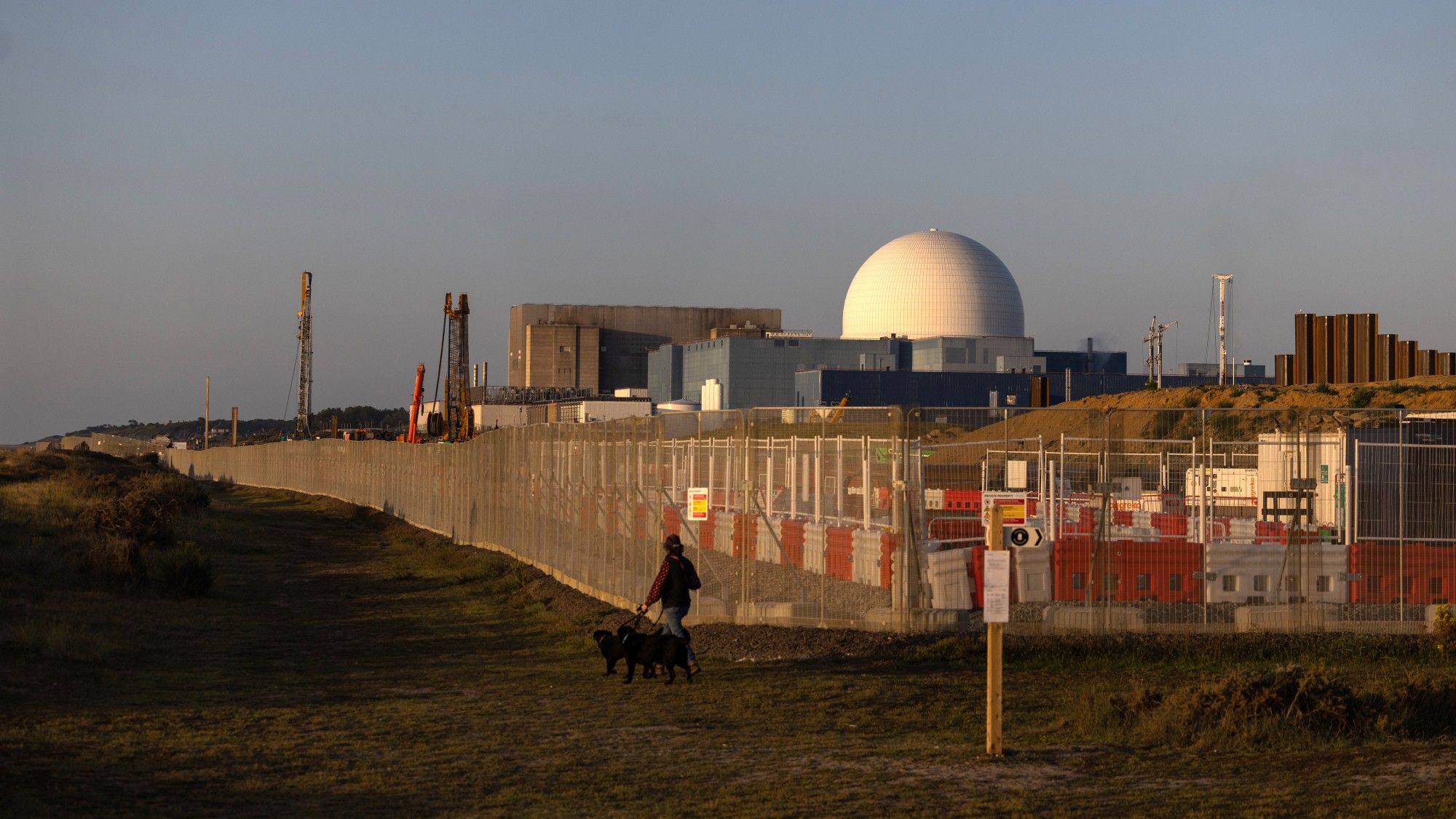
Imagine the UK needs a lot more electricity in the future, partly because of electric cars and computers getting smarter.
The government wants to build more nuclear power plants, like building more toy castles for energy.
They used to have lots of nuclear power, but many old ones are closing.
New ones, like Sizewell C, are getting a lot of money to be built.
They are also developing smaller, 'mini' nuclear power stations called SMRs, which might be cheaper and faster to build in factories.
This is to ensure the UK has lots of electricity that doesn't pollute the air, helping them fight climate change.
However, building these plants is very expensive and takes a long time, and some people worry about the leftover nuclear waste and safety.
The government is trying to make the rules simpler to help speed things up.
They hope these new nuclear plants will provide reliable power for many years.

The UK government plans to quadruple its nuclear power capacity to 24 GW by 2050 to meet rising energy demand and climate goals.
Significant funding has been allocated, including £14.2 billion for Sizewell C and £2.5 billion for Small Modular Reactors (SMRs).
The push for nuclear is driven by increased energy needs from electric vehicles and AI, and the desire to reduce dependence on gas.
While aiming for a 'golden age' of nuclear power, the UK faces challenges including high costs, past project delays, and the unresolved issue of nuclear waste disposal.
New SMRs, built in factories and assembled on-site, are intended to be more efficient and cost-effective than traditional large nuclear reactors.
- Who
- The UK government and energy companies (e.g., Rolls-Royce)
- What
- A significant expansion of nuclear power capacity through new large-scale plants and Small Modular Reactors (SMRs).
- Where
- Across the UK, with specific sites like Sizewell (Suffolk) and Hinkley Point (Somerset) mentioned.
- When
- Announced in 2023 with a target of quadrupling capacity by 2050.
- Why
- To meet soaring energy demand (driven by EVs and AI), reduce reliance on gas, lower energy costs, and achieve net-zero emissions by 2050.
Proponents of Nuclear Expansion
Skeptics of Nuclear Expansion
Meeting Future Energy Demand
Proponents of Nuclear Expansion
Quadrupling nuclear capacity by 2050 is essential to meet soaring energy demands driven by electric vehicles and AI, projected to double by 2050.
Skeptics of Nuclear Expansion
The feasibility of such ambitious targets is questionable given nuclear power's high upfront costs, poor track record on delivery, and escalating budgets.
Climate Change Mitigation
Proponents of Nuclear Expansion
Nuclear power provides a crucial source of constant, low-carbon baseload electricity, vital for meeting net-zero emission targets by 2050, complementing intermittent renewables like wind and solar.
Skeptics of Nuclear Expansion
Significant challenges remain, including the unresolved issue of nuclear waste disposal and the long-term environmental impact of potential radiation exposure.
Economic Benefits
Proponents of Nuclear Expansion
Investing in new nuclear projects, including Small Modular Reactors (SMRs), can revitalize the UK's energy sector, create jobs, and potentially lower energy costs in the long run.
Skeptics of Nuclear Expansion
The escalating costs of nuclear projects, as evidenced by Hinkley Point C ballooning from £18 billion to £46 billion, raise serious concerns about economic viability and taxpayer burden.
Key facts
- 2050 Nuclear Capacity Goal
- 24 gigawatts (GW)
- Projected UK Electricity Demand by 2050
- Approximately 25% of annual demand
- Sizewell C Funding
- £14.2 billion announced in June, plus £3.6 billion committed previously
- Small Modular Reactor (SMR) Funding
- £2.5 billion allocated
- Current Nuclear Share of UK Electricity
- 15%
- Planned Closures of Old Nuclear Plants
- Four by 2030
- Hinkley Point C Estimated Cost
- £46 billion (originally £18 billion)
- Rolls-Royce SMR Target
- Completion by mid-2030s, aiming for power at ~1/3 the price of large reactors
Quotes
Tim Gregory
a nuclear chemist at the UK’s National Nuclear Laboratory
“Going Nuclear”
 theweek.com
“there is no safe level of radiation”
theweek.com

Ed Miliband
Energy Secretary
“golden age”
theweek.com
Sources
Related news

India and UK Advance Military Production and Defence Cooperation

Air New Zealand Reports Smaller Loss, Avoids Immediate Profit Pledge

Indian Stocks Mixed as Jewellers Debuts, Orders Lift Shares

Deep-tech Investments Rise in India, Patient Capital Tests Success

RIL-Rolls-Royce Fighter Engine Partnership Raises Questions for HAL Investors
