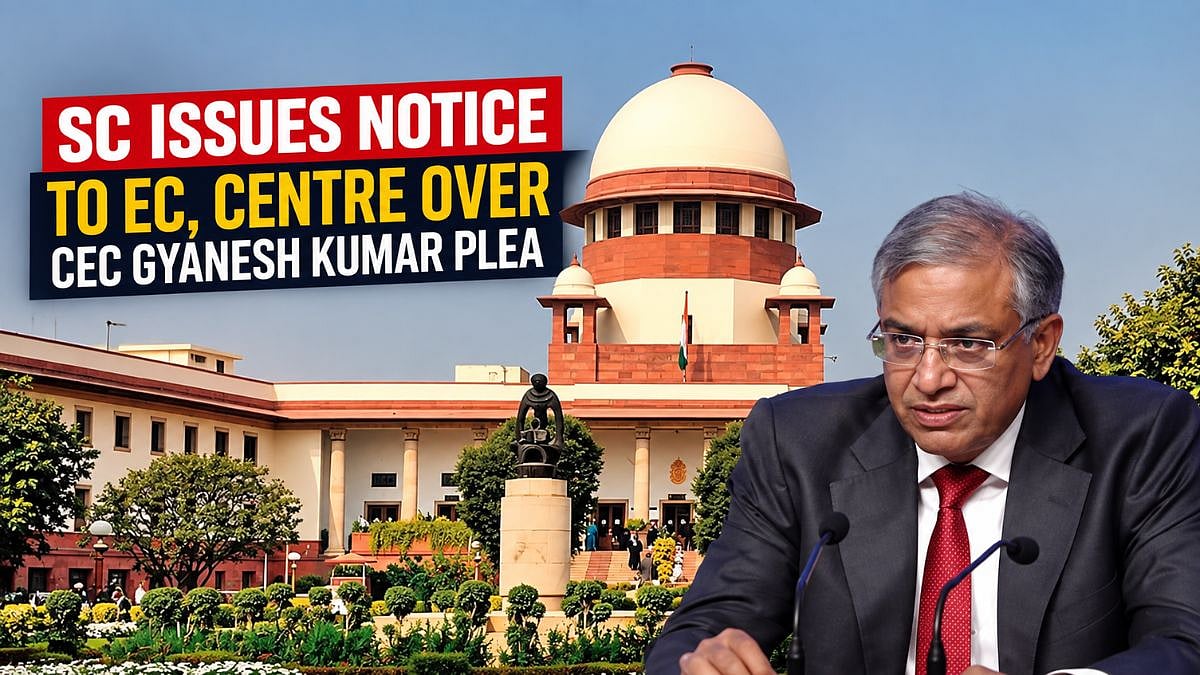
2 hrs ago
Why Removing an Indian Chief Election Commissioner Is So Difficult
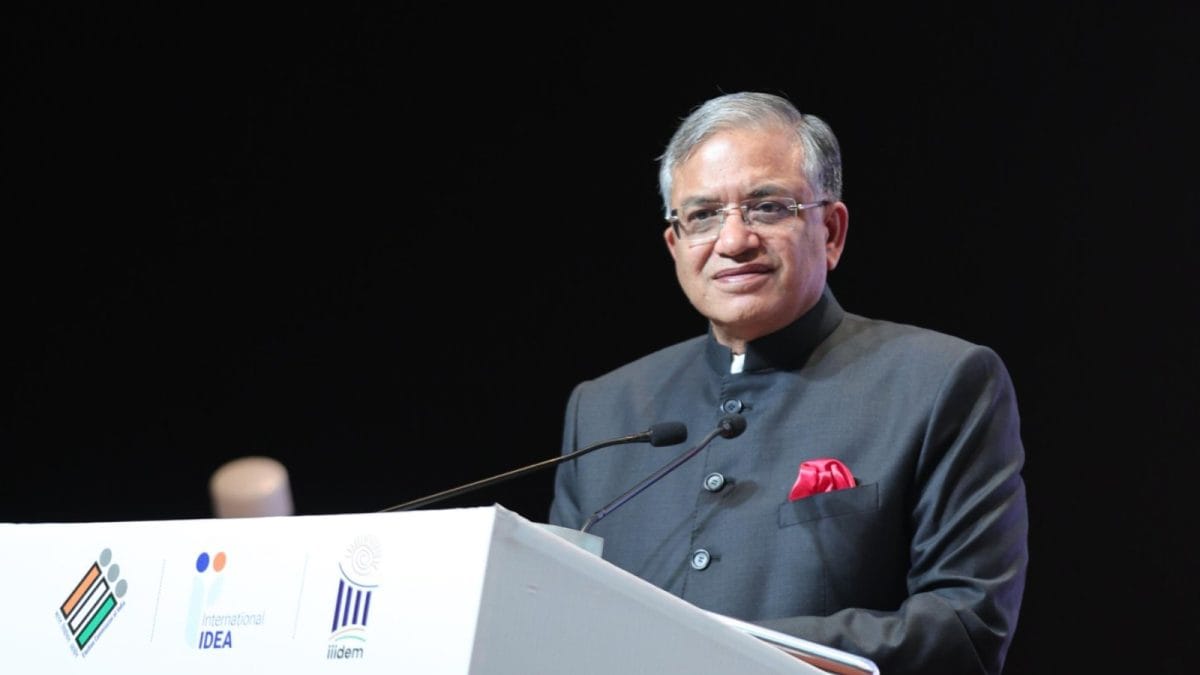
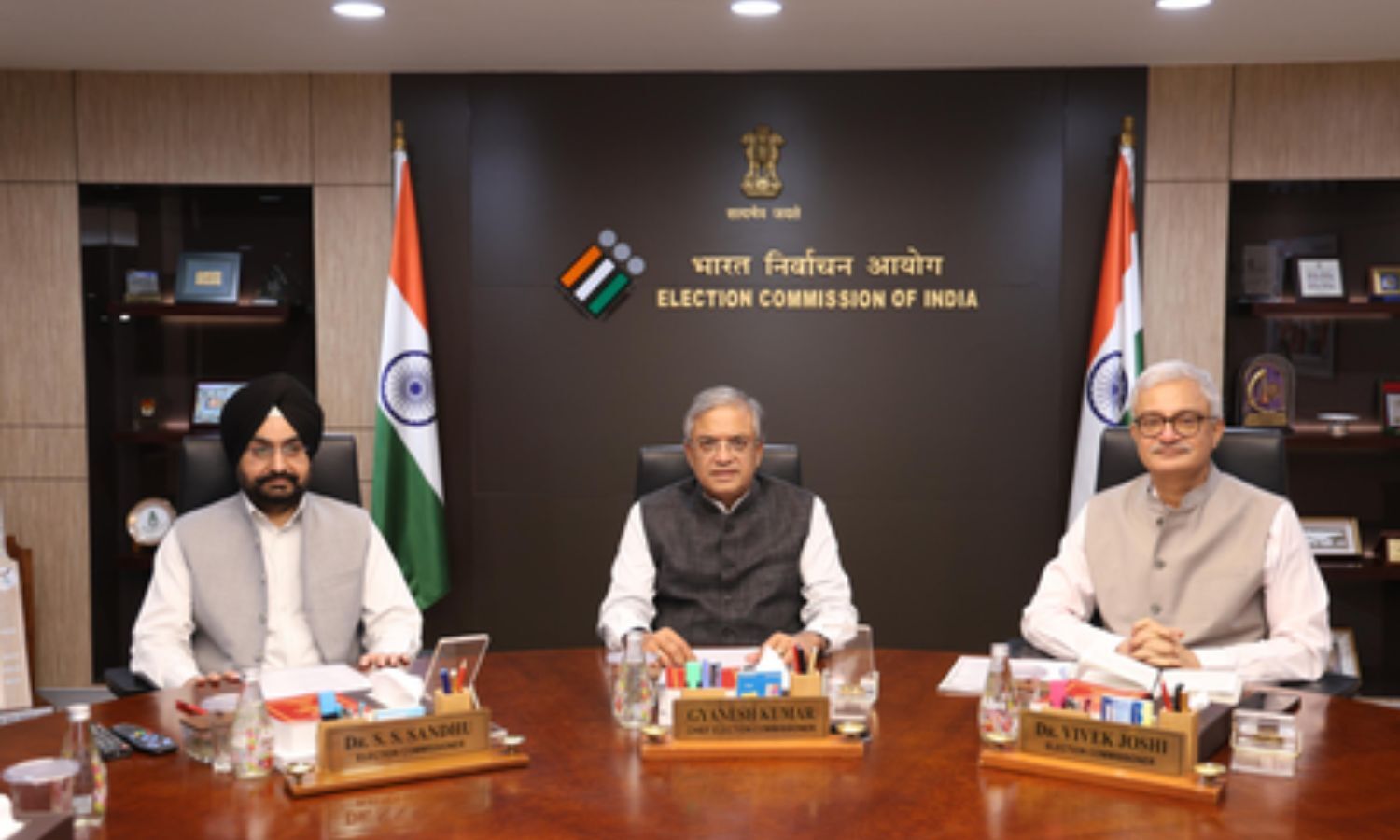
India’s Chief Election Commissioner helps oversee elections.
The job is protected so that political disagreements alone cannot lead to removal.
The Constitution allows removal only for proved misbehaviour or incapacity.
At least 100 members of the Lok Sabha or 50 members of the Rajya Sabha must sign a motion.
A presiding officer first decides whether to admit it.
If admitted, a committee of three legal experts investigates the charges.
If the committee does not find proof, the process stops.
If it does, both Houses of Parliament must pass the motion with a very large majority, and the President must then issue the removal order.
The article says no CEC has completed this process and notes a separate debate over legal protection for commissioners’ official actions.

No Chief Election Commissioner in India has been removed, and the article says the constitutional process has exceptionally high hurdles.
Under Article 324(5), a CEC may be removed only for proved misbehaviour or incapacity, using the process applicable to a Supreme Court judge.
A removal motion needs signatures from at least 100 Lok Sabha MPs or 50 Rajya Sabha MPs and must be admitted by the House’s presiding officer.
An admitted motion is investigated by a three-member committee; if it finds no proof of the charges, the process ends.
Removal requires a special majority in each House in the same session, followed by a Presidential order.
- Who
- Chief Election Commissioners of India; the article also refers to current CEC Gyanesh Kumar.
- What
- The article explains the legal grounds and parliamentary process for removing a CEC, and discusses commissioners’ legal immunity.
- Where
- India.
- When
- Published October 5, 2026.
- Why
- The stringent removal process is intended to protect the Election Commission’s independence from political or executive interference.
Arguments for Section 16 protection
Arguments against Section 16 protection
Commissioners’ legal protection
Arguments for Section 16 protection
Proponents say protection from proceedings over good-faith official work helps prevent political harassment and supports the Election Commission’s independence.
Arguments against Section 16 protection
Critics argue the provision weakens accountability and transparency, and say even Supreme Court judges do not have this specific statutory immunity.
Scope and legality of immunity
Arguments for Section 16 protection
The article says the protection is intended to cover official electoral duties and does not extend to bad-faith conduct or actions outside official duties.
Arguments against Section 16 protection
Legal challenges before the Supreme Court argue the provision undermines institutional transparency and voting rights; the article says its constitutionality is being examined.
Key facts
- Constitutional provision
- Article 324(5) applies the same removal manner and grounds as for a Supreme Court judge.
- Permitted grounds
- Proved misbehaviour or incapacity.
- Motion signatures
- At least 100 Lok Sabha MPs or 50 Rajya Sabha MPs.
- Inquiry committee
- A Supreme Court judge, a High Court Chief Justice, and an eminent jurist.
- Voting threshold
- A majority of each House’s total membership and at least two-thirds of members present and voting, in both Houses.
- Final step
- After both Houses pass the motion in the same session, the President issues the removal order.
- Section 16
- The 2023 Act provides serving and former commissioners protection from civil or criminal court proceedings for official actions taken in good faith, as described in the article.
Sources
Related news
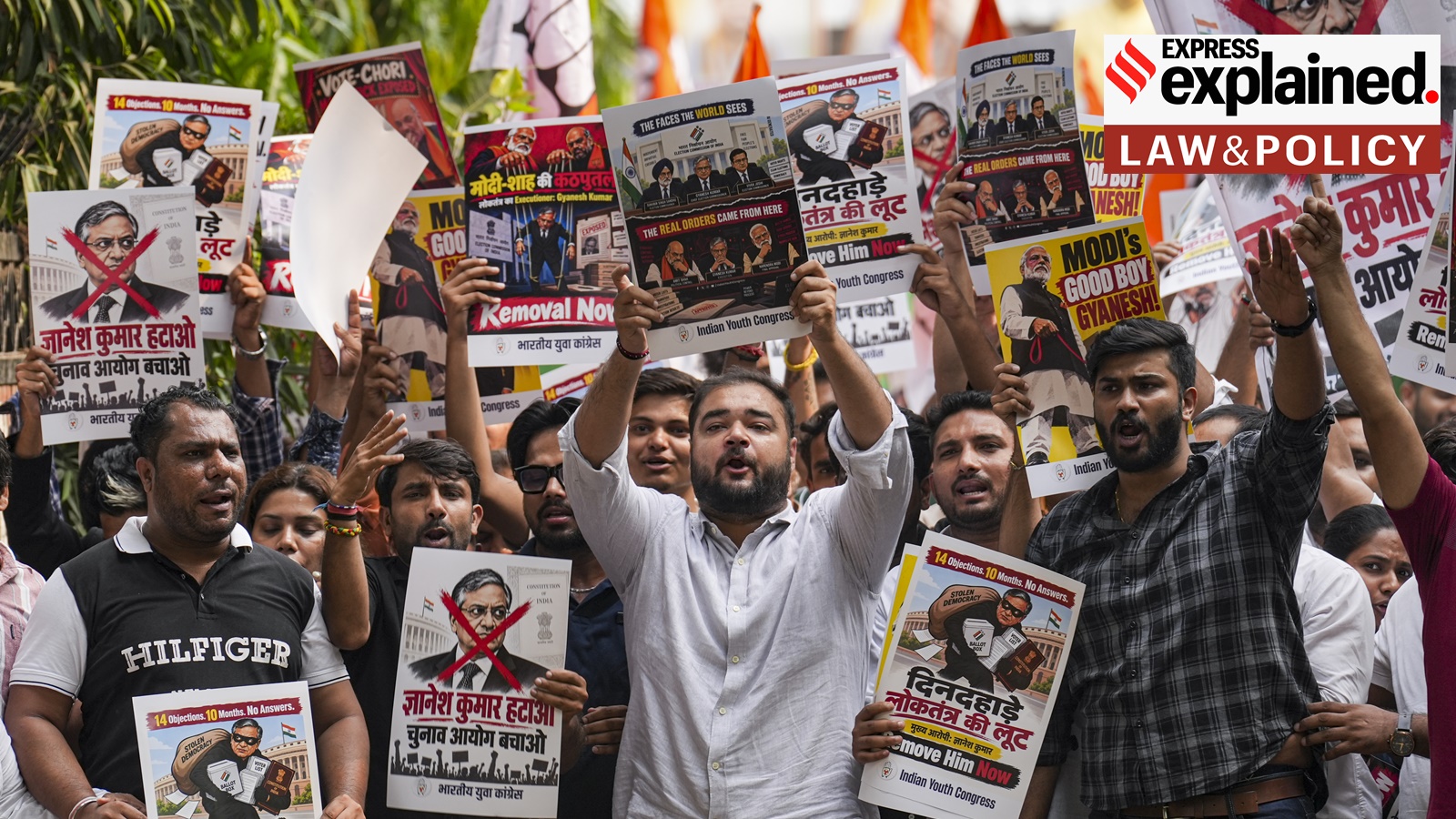
Opposition Seeks Gyanesh Kumar’s Removal Through Parliamentary Motion

Why Removing Chief Election Commissioner Gyanesh Kumar Takes Time

CEC Gyanesh Kumar Faces Scrutiny Over Removal Motion
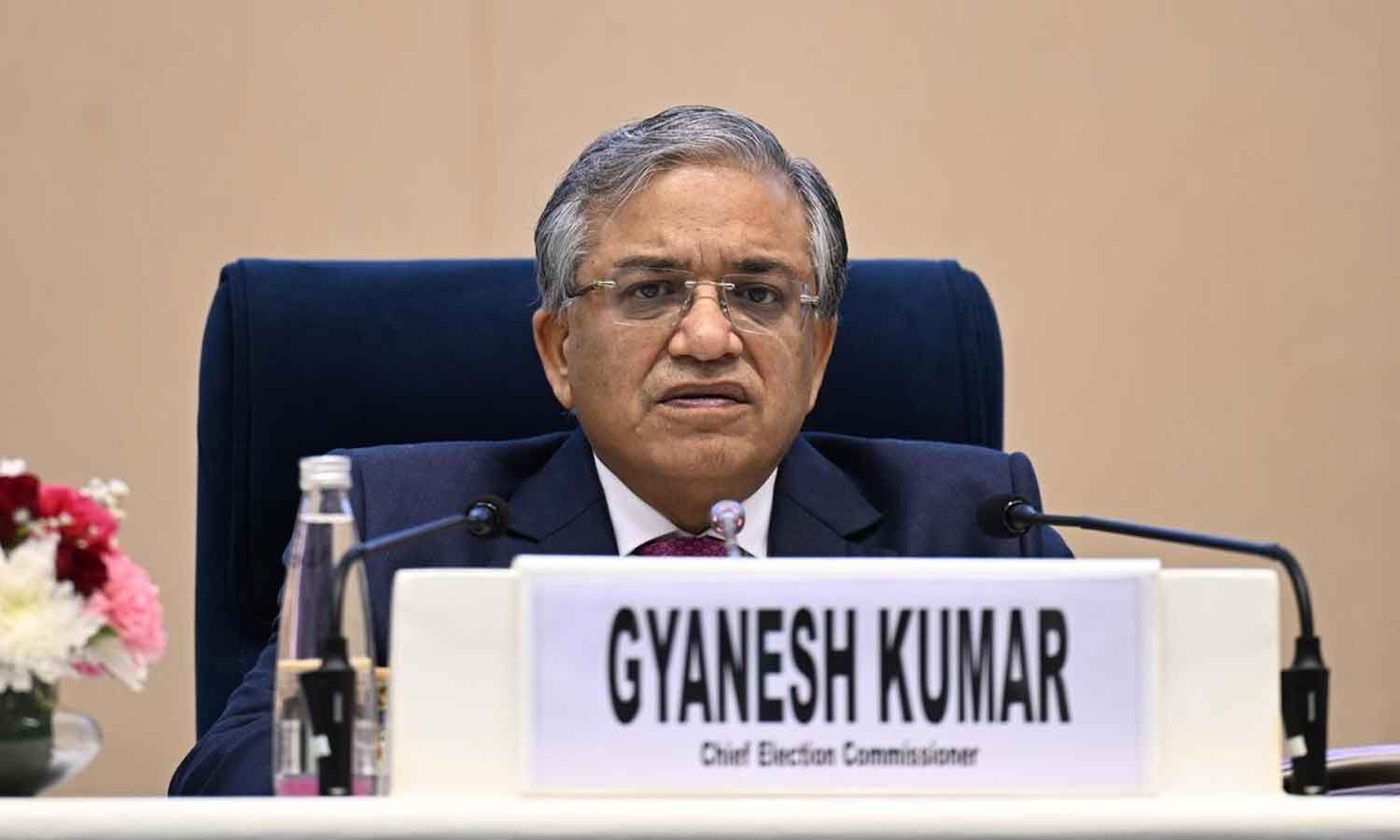
Opposition Plans Protests and Fresh Impeachment Bid Against CEC
Rohatgi Says No Basis For Gyanesh Kumar Impeachment Move
Opposition Escalates Impeachment Push Against CEC Over SIR Dispute
Awadhesh Prasad Says Samajwadi Party Can Defeat BJP
Supreme Court Notices on Election Commission Decisions Spur Political Clash
ECI Says September 26 Press Note Was Never Taken Down
CJI Says Supreme Court Did Not Approve Form 6 Changes