1 week ago
Why Kenya Remains Ideal for Wildlife-Filled Holidays Year-Round
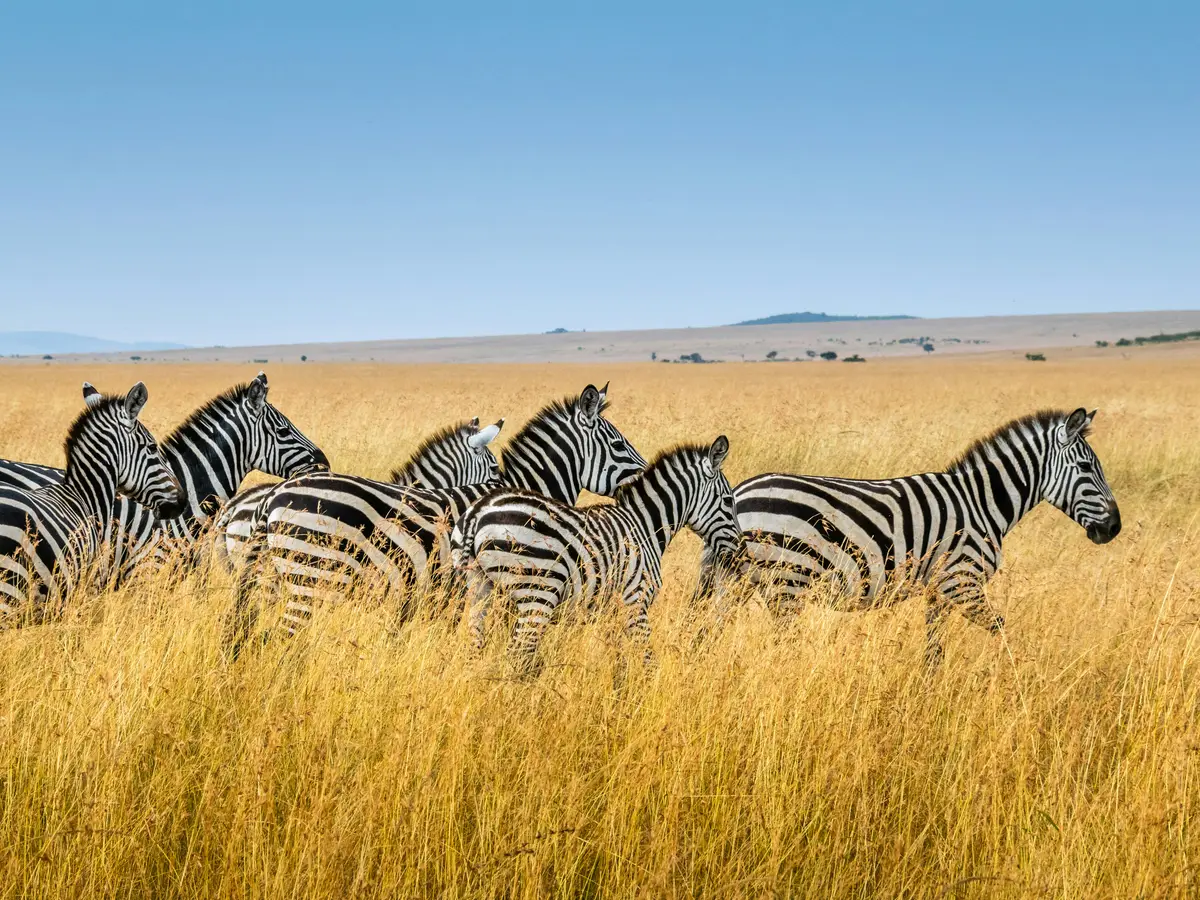
Kenya is a country where people can see many wild animals.
It has open grasslands, forests, and other habitats.
From July to October, millions of wildebeest travel through the Maasai Mara during the Great Migration.
Zebras and gazelles travel with them, and crocodiles wait near some river crossings.
Kenya also has many elephants and rhinos.
Ol Pejeta protects Najin and Fatu, the last two northern white rhinos.
Wildlife is often easier to spot during dry seasons because animals gather near water.
Roads, flights, and nearby airstrips help visitors travel between parks.

Kenya offers diverse wildlife habitats, from savannahs to dense forests, with access throughout the year.
The Maasai Mara hosts the Great Migration between July and October, when roughly two million wildebeest move from Tanzania’s Serengeti.
Kenya’s elephant population reached 42,072 in the 2025 National Wildlife Census, with about two-thirds living outside national parks.
Ol Pejeta Conservancy protects Najin and Fatu, the last two northern white rhinos, and is East Africa’s largest black rhino sanctuary.
Dry seasons from June to October and January to February generally provide the best wildlife-viewing conditions.
- Who
- Wildlife visitors, Kenya’s elephants and rhinos, and animals involved in the Great Migration.
- What
- A travel overview presenting Kenya as a destination for wildlife-focused holidays.
- Where
- Kenya, especially the Maasai Mara National Reserve and Ol Pejeta Conservancy; migrating animals come from Tanzania’s Serengeti.
- When
- The Great Migration occurs in the Maasai Mara from July to October; the best viewing periods are generally June to October and January to February.
- Why
- Kenya combines diverse habitats, notable wildlife populations, reliable sightings, and developed tourism infrastructure.
Key facts
- Elephant population
- 42,072 elephants were recorded in Kenya’s 2025 National Wildlife Census.
- Great Migration
- Roughly two million wildebeest, along with zebras and gazelles, move toward the Maasai Mara from Tanzania’s Serengeti.
- Migration season
- The Maasai Mara’s migration period is between July and October.
- Northern white rhinos
- Najin and Fatu are described as the last two northern white rhinos alive.
- Rhino population
- Kenya’s combined black and white rhino population reached 2,102 in 2025.
- Best viewing periods
- The dry seasons from June to October and January to February are generally considered the best times to visit.
- Wildlife access
- Domestic airstrips near major parks help connect international arrivals with wildlife destinations.
Sources
Related news
Five Wildest African Destinations for Spotting the Big Five
World Elephant Day 2026: India's best parks to see elephants

Banni Grassland Revival Could Elevate Kutch’s Global Tourism Profile
World Elephant Day: Five Bengal Spots to Spot Wild Elephants

Beyond the Safari: Discovering Kenya's Coast, Culture and Cuisine
Kenya Beyond the Famous Parks: Six Underrated Places to Visit

Tributes Follow Deaths of Kiran and Shilpa Nathwani

Kenyan Editor Found Safe Hours After Armed Abduction

Indian Duo Completes WRC3 Podium Hat-Trick In Paraguay

Kenya Airport Workers' Strike Leaves Hundreds of Passengers Stranded

Ethiopian Runners Win Hyderabad Marathon; Gopi, Nirmaben Lead Indians