1 hr ago
AI Data Centre Boom Could Lift US Gas Demand
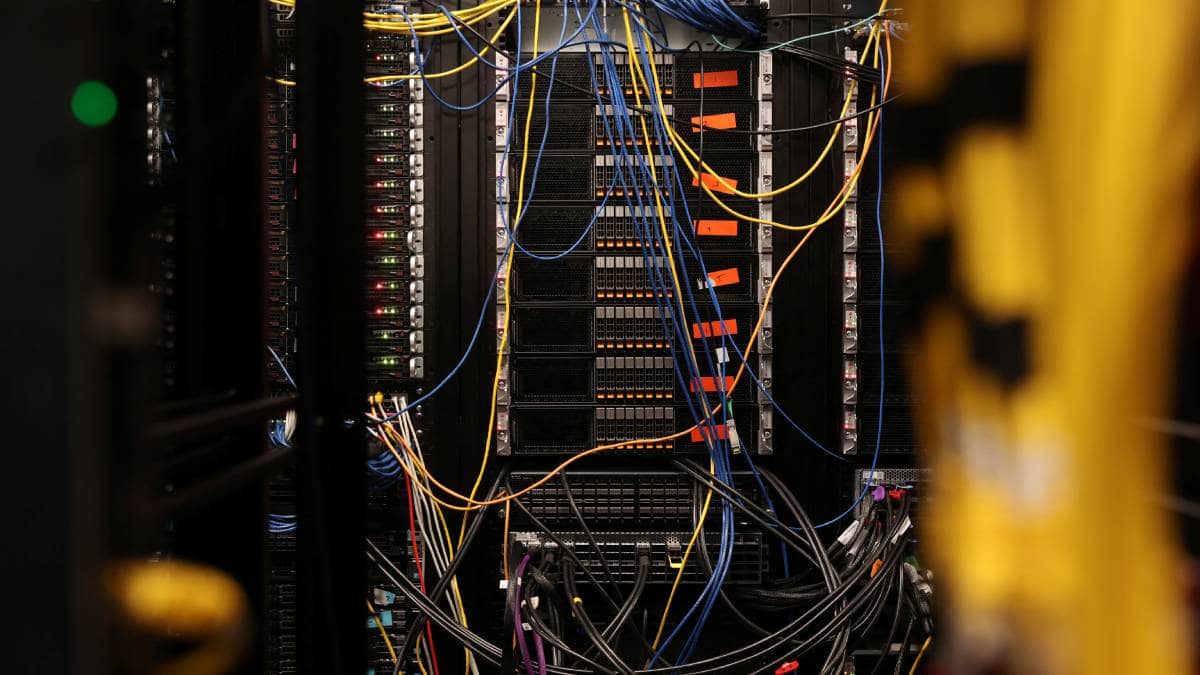
Artificial intelligence needs very large computer buildings called data centres.
These buildings use a lot of electricity to run computers and keep them cool.
Many of them may get some of that electricity from natural gas.
BloombergNEF says US data centres could use about 18 billion cubic feet of gas every day by 2035.
Some technology companies are planning gas plants next to their data centres.
Most of the extra demand may still come through the regular power grid.
More demand could make gas and electricity more expensive.
Burning more gas could also increase greenhouse gas emissions.
This shows that building more AI systems may create both economic and environmental challenges.

BloombergNEF forecasts US data centres could consume about 18 billion cubic feet of natural gas daily by 2035.
The projection is nearly double BloombergNEF’s estimate from nine months earlier and excludes some proposed projects unlikely to be completed.
Natural gas demand from data centres could grow more than from almost any sector, with only LNG exports expected to contribute more growth.
Onsite gas projects announced by Meta, Microsoft, Google and Amazon could require 2.9 billion to 3.4 billion cubic feet daily by 2035.
Higher gas use could increase energy costs and, using International Energy Agency estimates, represent roughly 1 million metric tons of greenhouse gas emissions per day.
- Who
- US data centres, technology companies including Meta, Microsoft, Google and Amazon, energy providers, households and other electricity users.
- What
- A forecast says AI-driven data-centre growth could substantially increase US natural-gas demand by 2035.
- Where
- The United States, including data centres connected to the power grid or using nearby onsite generation.
- When
- The forecast concerns 2035, with additional grid-related demand expected by the middle of the next decade.
- Why
- AI systems and supporting infrastructure require large amounts of electricity, increasing demand for gas-fired power and potentially onsite gas generation.
AI Expansion and Energy Supply
Cost and Climate Concerns
Economic impact
AI Expansion and Energy Supply
More natural-gas generation could help supply the electricity needed to expand AI infrastructure and data centres.
Cost and Climate Concerns
Higher gas demand could raise wholesale energy costs, affecting data-centre developers, households and other electricity users.
Energy strategy
AI Expansion and Energy Supply
Companies including Meta, Microsoft, Google and Amazon are pursuing onsite or nearby natural-gas plants to support data-centre operations.
Cost and Climate Concerns
The article says most additional demand is expected to come through the power grid, potentially increasing pressure on utilities and gas markets.
Environmental impact
AI Expansion and Energy Supply
Natural gas can provide the large, dependable energy supply required by electricity-intensive facilities.
Cost and Climate Concerns
If projected consumption occurs, the associated gas combustion and supply-chain emissions could create a significant increase in greenhouse-gas emissions.
Key facts
- Projected data-centre gas use
- About 18 billion cubic feet per day by 2035.
- Comparison
- The projected use would exceed the combined demand of Germany and Japan.
- Forecast revision
- The estimate is nearly twice BloombergNEF’s forecast from nine months earlier.
- Onsite generation
- Projects announced by Meta, Microsoft, Google and Amazon could require 2.9 billion to 3.4 billion cubic feet per day by 2035.
- Grid-connected demand
- Grid-connected data centres could add 15 billion cubic feet per day to power-sector gas consumption.
- Emissions estimate
- The additional data-centre gas demand could correspond to roughly 1 million metric tons of greenhouse gas emissions per day, based on the figures provided.
- Main competing demand source
- BloombergNEF expects only LNG exports to add more to overall US natural-gas demand growth over the coming decade.
Sources
Related news

US AI Boom Requires $110 Billion for New Power Plants

Malaysia Data Centres Drive Power Demand as Temperatures Rise

India’s AI Expansion Faces Growing Power and Infrastructure Demands
India’s Data Centre Capacity Could Triple by 2030
US AI Infrastructure Investment May Reach $1.4 Trillion
US and China Lead 2026 Global Economy Rankings
Indian athletes begin Asian Games check-in amid accommodation confusion
Parveen Hooda Returns to Asian Games Seeking Redemption
Indonesia Wildfires May Continue Until Early November Amid Drought