

3 weeks ago
Pentagon Drafts New Nuclear Strategy for Possible War With China, Russia

The Pentagon, which runs the US military, is writing a new plan for what to do if the United States ever fights China or Russia.
Right now, America relies mostly on huge, very powerful long-range nuclear missiles.
The new plan would also use smaller "tactical" nuclear weapons that could be used closer to a battlefield.
The person in charge of this plan is Elbridge Colby.
He thinks having smaller options makes the promise to protect allies more believable.
The plan would give the US president more choices during a crisis instead of only all-or-nothing options.
Some experts worry this makes it more likely that nuclear weapons actually get used.
The plan was going to be presented at a military base in Nebraska.
No nuclear weapon has been used in a war since 1945.
That is why people around the world are watching this debate closely.

The US Department of Defense is drafting a new nuclear strategy focused on a potential regional conflict with China or Russia.
Pentagon policy chief Elbridge Colby is leading the review, favoring a larger role for shorter-range tactical nuclear weapons.
Officials say the goal is to give President Donald Trump more realistic, credible options during a crisis and strengthen deterrence.
Critics warn the shift could lower the threshold for nuclear use and leave US forces less prepared for a full strategic nuclear exchange.
Colby was due to present the proposals at a closed US Strategic Command event in Nebraska after the last US-Russia arms control treaty lapsed in February 2026.
- Who
- Pentagon policy chief Elbridge Colby, leading the strategy review for the US Department of Defense, with President Donald Trump receiving revised nuclear options.
- What
- A new US nuclear strategy that emphasizes shorter-range tactical nuclear weapons for potential regional conflicts with China or Russia.
- Where
- United States; the proposals were to be presented at a closed military event in Nebraska at US Strategic Command.
- When
- The strategy is currently being drafted and reported by NBC News; Colby was due to present the proposals on a Wednesday during a visit to US Strategic Command, after the last US-Russia arms control treaty lapsed in February 2026.
- Why
- To prevent a conventional war from escalating into a nuclear one, deny adversaries an advantage, and give the US president more credible deterrence options.
Supporters of tactical nuclear options
Critics warning against lowering the nuclear threshold
Flexible nuclear options and deterrence
Supporters of tactical nuclear options
Providing smaller, usable nuclear capabilities makes extended deterrence credible and gives the president realistic options instead of extreme choices adversaries won't believe.
Critics warning against lowering the nuclear threshold
Emphasizing tactical weapons could weaken deterrence by making large-scale strike threats less credible and could lower the threshold for nuclear use in conventional wars.
Alignment with President Trump's goals
Supporters of tactical nuclear options
The strategy expands the president's option space with realistic and credible options, strengthening rather than limiting his choices in a crisis.
Critics warning against lowering the nuclear threshold
A senior congressional aide says the study is "big-time low-T" and out of line with Trump's goal of making the nuclear deterrent "great again," since he wants more capabilities, not fewer.
Key facts
- Lead strategist
- Elbridge Colby, deputy secretary of defense for policy
- Strategy focus
- Shorter-range tactical nuclear weapons in regional conflicts
- Principal nuclear rivals
- China and Russia
- Presentation venue
- US Strategic Command, Nebraska (closed military event)
- Arms control status
- Last US-Russia strategic arms control treaty lapsed in February 2026
- Defense watchlist
- 130 organizations in China, Russia, and Iran
- Last nuclear combat use
- Hiroshima and Nagasaki, 1945
- NATO interest
- Poland and Baltic states interested in hosting US nuclear weapons
Quotes
Senior United States Department of Defence official
Defense Department official reporting to NBC
“If you actually want extended deterrence to be credible, you have to provide the nation's political leadership with nuclear capabilities that common sense indicates you could actually use.”
 NDTV
NDTV
“It's hard to imagine a study that is more out of line with President Trump's stated position of making our nuclear deterrent great again.”
NDTV
Sources
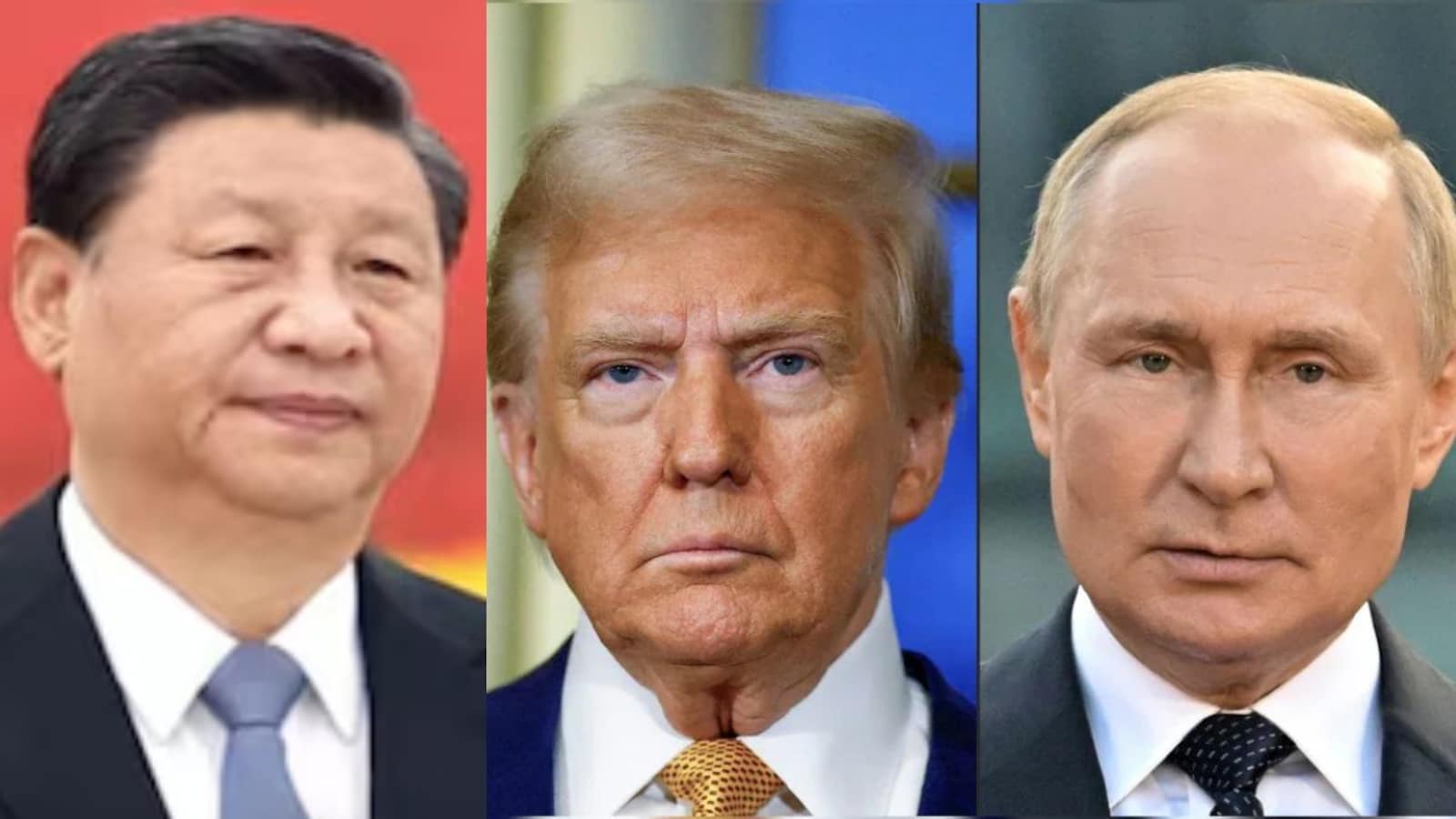
Related news
Report Raises Nuclear, NATO Escalation Concerns Over Ukraine War

North Korea Warns New US Nuclear Strategy Sparks Arms Race

Putin Could Strike NATO Allies to Test Bloc's Resolve

North Korea denounces US-South Korea drills, vows stronger nuclear deterrence

Poland Rejects Hosting Nuclear Warheads Despite Russian Threat Warnings
Pentagon Turmoil Deepens as Hegseth Tightens Grip on Military

Germany Blames Russia for Leipzig Drone Attack, Europe Vows Response
Erdogan Says Turkey Would Consider Full Shanghai Cooperation Organisation Membership

Augsburg Train Station Closed After Explosion, Suspicious Object Found

Taliban Offers Afghan Mineral Wealth as Washington Weighs Engagement