3 weeks ago
Pakistani Airstrikes in Balochistan's Surab District Kill Over 30 Civilians

A country called Pakistan has an air force with planes and helicopters, and it dropped bombs on an area called Balochistan.
The bombs hit homes and reportedly killed more than 30 people who were not soldiers, including women and children, some under ten years old.
People who care about human rights are very angry and say the bombing was not aimed at soldiers and that it hurt regular families.
They also say that soldiers blocked the hospitals, so hurt people could not see a doctor in time.
Rescue teams, doctors, ambulances, and journalists were reportedly kept away from the area.
One leader, Sabiha Baloch, said this kind of action is a 'genocide.'
Other groups called it a 'war crime' and a 'massacre.'
The families of the people who died held a protest on a big highway with the bodies of their loved ones, which blocked traffic.
Human rights groups are asking the United Nations and other countries to investigate what happened independently.
They want the people responsible to be held accountable and for the truth to be told to the world.

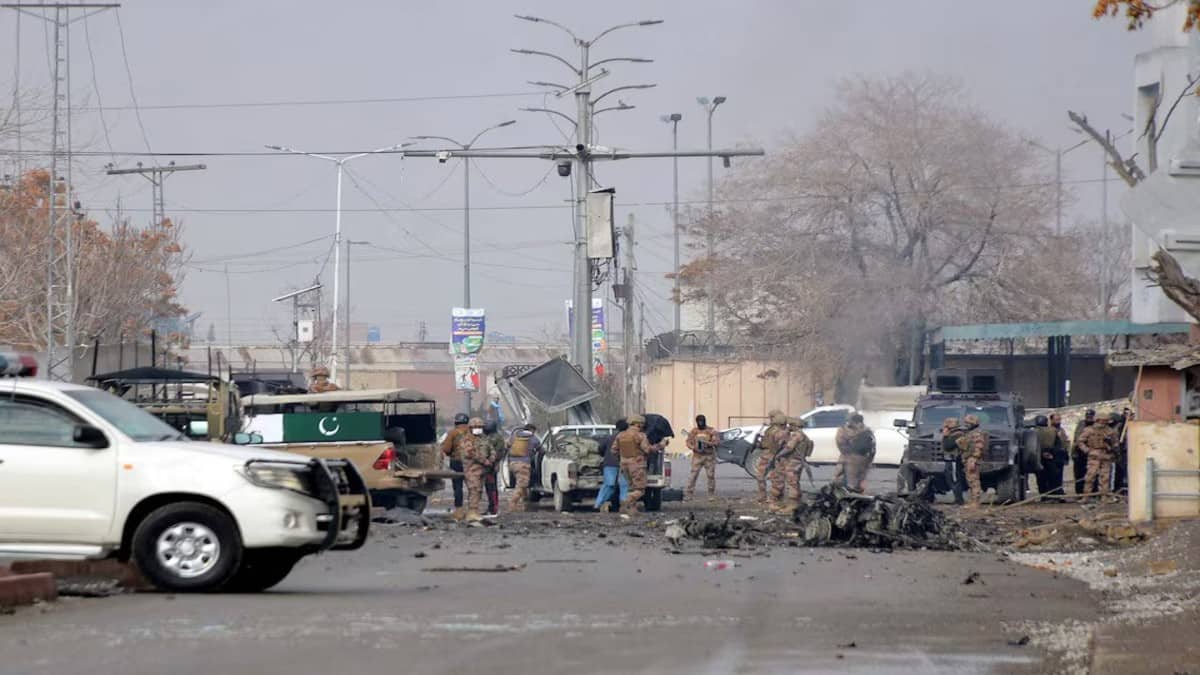
Pakistani airstrikes in the Gidar area of Balochistan's Surab district reportedly killed over 30 civilians, including women and children, and injured several others.
Human rights defender Mir Yar Baloch said the Pakistani Air Force carried out 'indiscriminate bombing' of civilian areas, with drones and Cobra gunship helicopters reportedly continuing to patrol the skies.
Reports allege military personnel surrounded hospitals and intimidated medical staff, causing some casualties because injured civilians could not reach care in time.
The Baloch National Movement (BNM) condemned the strikes as a 'blatant war crime,' while the Baloch Yakjehti Committee (BYC) described the incident as 'genocide' and a 'massacre.'
Relatives and residents staged a sit-in protest with the dead bodies in Surab's main square along the N-25 Quetta-Karachi highway, disrupting traffic on the key route.
- Who
- The Pakistani Air Force, accused by Baloch activists and human rights groups of conducting the airstrikes; the victims were Baloch civilians, including women and children.
- What
- Airstrikes reportedly killed over 30 civilians and injured several others, drawing accusations of 'indiscriminate bombing,' a 'blatant war crime,' 'genocide,' and a 'massacre.'
- Where
- The Gidar area of Surab district, Balochistan, Pakistan; a protest later took place in Surab's main square along the N-25 Quetta-Karachi highway.
- When
- Wednesday, in the early hours of the morning, according to reports.
- Why
- Activists allege the strikes are part of state violence against Baloch civilians; no official Pakistani explanation appeared in the reports.
Baloch groups' perspective
Official/government-aligned perspective
Nature of the strikes
Baloch groups' perspective
Baloch activists and human rights groups call the airstrikes on residential areas a 'blatant war crime,' 'genocide,' and a 'massacre' that flagrantly violates international humanitarian law and the Geneva Conventions.
Official/government-aligned perspective
No official Pakistani response appeared in the reports, though the BNM said the Inter-Services Public Relations (ISPR), the military's media wing, spreads 'one-sided propaganda and false narratives,' and the BYC alleged the military labels those killed as 'militants' to evade accountability.
Pattern vs. isolated incident
Baloch groups' perspective
The BYC said the attack is not an isolated incident but part of a documented pattern of aerial bombardment of civilian areas across Balochistan, from Zehri to Mastung, followed by victims being labelled as 'militants.'
Official/government-aligned perspective
Security operations would typically be framed as necessary military action against militant targets; no official account is included in the articles to confirm or deny a pattern.
International response
Baloch groups' perspective
Groups urge the UN, the United States, the United Kingdom, the EU, and international media to intervene, conduct an independent investigation, and for the EU to suspend Pakistan's GSP+ trade preferences until human rights standards are met.
Official/government-aligned perspective
Groups allege the international community remains silent, and no response from those governments or institutions is reported in the articles.
Key facts
- Reported casualties
- Over 30 civilians killed, including women and children; several others injured
- Location
- Gidar area, Surab district, Balochistan, Pakistan
- Alleged perpetrator
- Pakistani Air Force
- Allegations
- 'Indiscriminate bombing,' obstruction of medical access, 'genocide,' 'war crimes,' 'massacre'
- Condemning groups
- Baloch Yakjehti Committee (BYC), Baloch Voice for Justice (BVJ), Baloch National Movement (BNM), Baloch Women Forum (BWF)
- Demand
- Independent, transparent, internationally monitored investigation and accountability for those responsible
- International bodies urged to act
- United Nations, United States, United Kingdom, European Union
- Additional demand
- BNM urged the EU to suspend Pakistan's GSP+ trade preferences over human rights concerns
Quotes
Baloch Yakjehti Committee
Representative of the Baloch Yakjehti Committee
“"The identities and details of those killed and injured must be made public, and those responsible must be held accountable. Protecting civilians — particularly women and children — is a fundamental responsibility of the state, and all military operations must comply with international humanitarian law and the principles governing the protection of civilian life."”
 thehansindia.com
“This is not an isolated incident. It follows a documented pattern of aerial bombardment of civilian areas across Balochistan, from Zehri to Mastung, where the Pakistani military has repeatedly targeted residential areas and subsequently labelled those killed as ‘militants’ to evade accountability.”
thehansindia.com
Sources

Related news

Balochistan Drone Strike Kills Four, Sparks Outrage Over Civilian Deaths
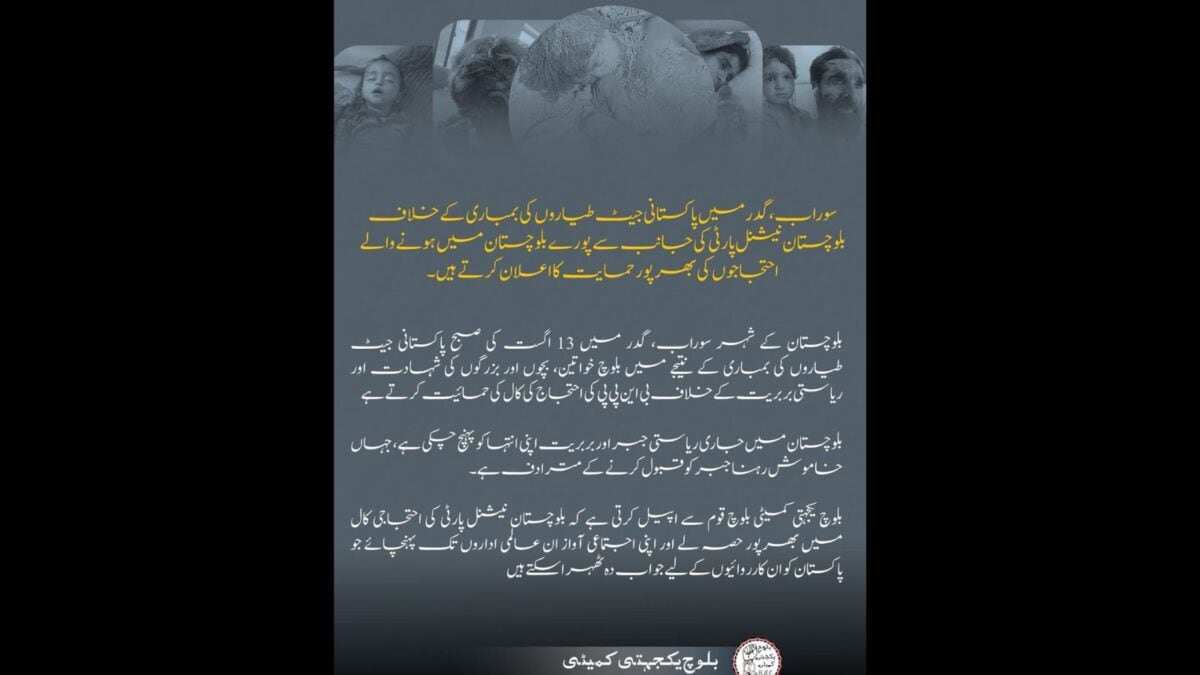
Baloch Yakjehti Committee Backs Protests Over Alleged Balochistan Airstrikes
Pakistan Accused of Hiding Balochistan 'Massacre' via Media Blackout
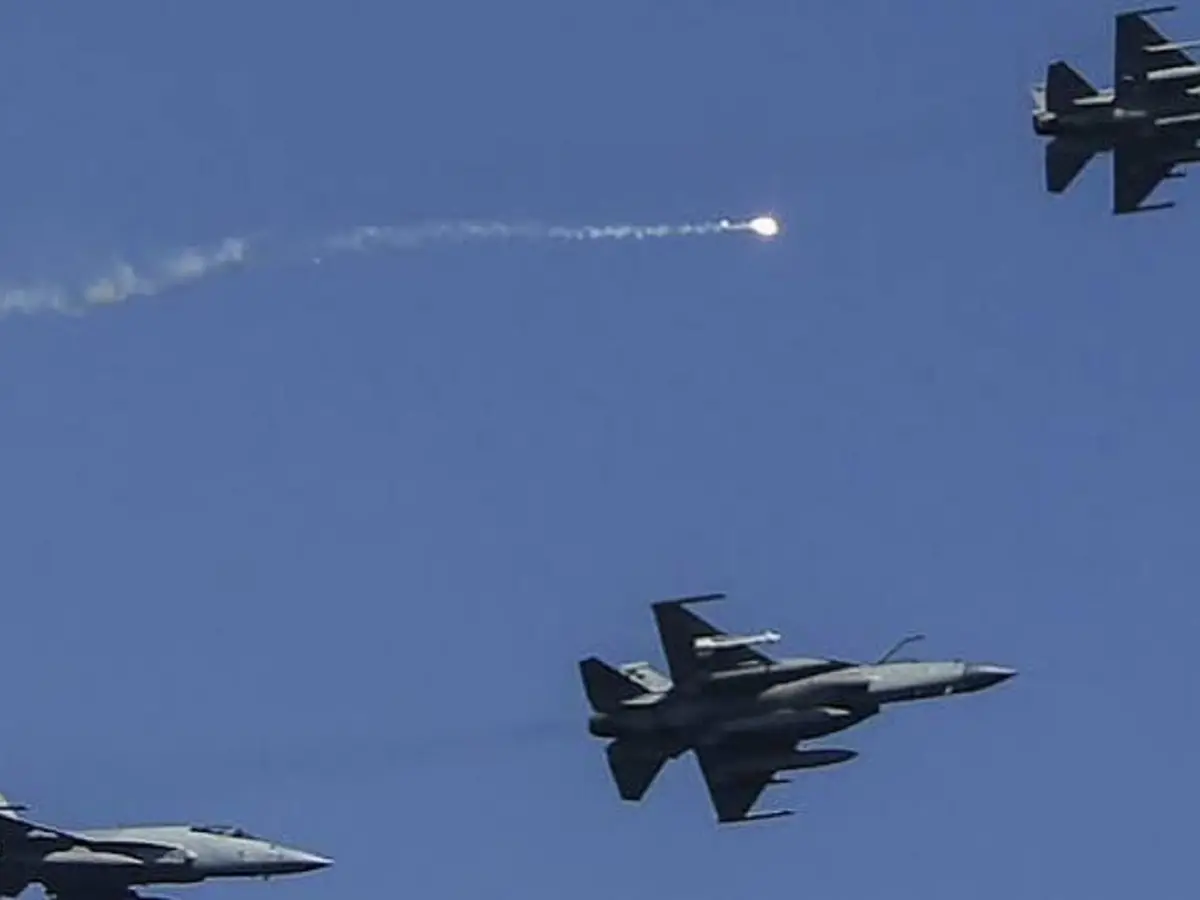
Pakistan Airstrikes in Balochistan Follow BLA Claims of Soldier Deaths

Rights body alleges Pakistani forces extrajudicially killed five in Balochistan