0 months ago
New study links PM2.5 air pollution to rheumatoid arthritis flare-ups
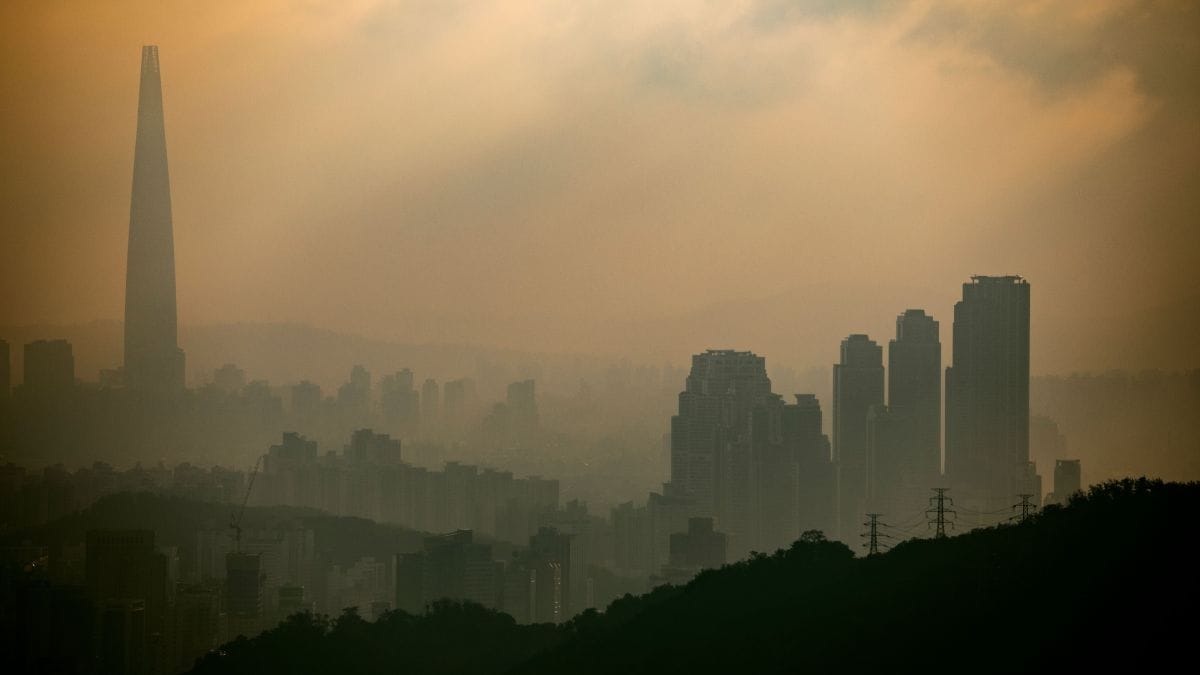
Scientists in South Korea wanted to find out why some people with rheumatoid arthritis sometimes feel much worse.
Rheumatoid arthritis is a sickness where the body's own defense system attacks the joints, causing pain and swelling.
The scientists studied more than one thousand patients and paid attention to the air they breathed.
They discovered that when the air is full of tiny pollution specks called PM2.5, the disease becomes more active.
These specks are smaller than red blood cells and can slip from the lungs into the blood.
Once in the blood, they can make the body create harmful chemicals that hurt cells and cause more swelling.
The scientists found that breathing very polluted air for more than two weeks is especially bad.
They recommend that patients with rheumatoid arthritis try to avoid very dirty air.
An editor of the medical journal agrees the finding is important but says more studies are needed to see if it applies to people in other countries.

A South Korean study published in the Annals of Rheumatic Diseases linked higher PM2.5 air pollution to increased rheumatoid arthritis (RA) disease activity and flare risk.
Researchers followed 1,070 RA patients across 12,583 outpatient visits at major South Korean medical centres from 2021 to 2024.
Prolonged exposure to elevated PM2.5, lasting more than two weeks, was particularly associated with worse disease activity.
PM2.5 particles can pass from the lungs into the bloodstream and trigger reactive oxygen species that damage cells and spark inflammation.
ARD editor-in-chief Josef Smolden cautioned the findings are limited to the Korean population and called for similar studies in other regions.
- Who
- A team of South Korean researchers led by Eun Bong Lee of Seoul National University, with commentary from Annals of Rheumatic Diseases editor-in-chief Josef Smolden.
- What
- Higher PM2.5 air pollution was linked to increased rheumatoid arthritis disease activity and flare risk, especially after prolonged exposure.
- Where
- Major South Korean medical centres.
- When
- Study data was collected from 2021 to 2024; findings were published in the Annals of Rheumatic Diseases.
- Why
- To understand how environmental factors such as air pollutants exacerbate rheumatoid arthritis and to inform public health policy.
Key facts
- Study population
- 1,070 rheumatoid arthritis patients
- Outpatient visits analysed
- 12,583
- Study period
- 2021-2024
- Journal
- Annals of Rheumatic Diseases (ARD)
- Key pollutant
- PM2.5 (fine particulate matter)
- Exposure linked to flares
- Elevated PM2.5 over more than two weeks
- Global RA prevalence
- 0.5%-1% of the global adult population
- Lead investigator
- Eun Bong Lee, Seoul National University
Quotes
Josef Smolden
Editor‑in‑chief, Annals of Rheumatic Diseases
“Our study found that higher PM2.5 concentration was associated with increased disease activity and flare risk, notably prolonged exposure to elevated PM2.5 over more than two weeks.”
 theprint.in
“We would recommend these patients avoid prolonged exposure to poor air quality, particularly high PM2.5 levels.”
theprint.in
Sources
Related news
Global Study Links Air Pollution to Millions of Cancer Cases

Delhi’s Air Pollution Linked to Brain Changes Beyond Lungs
29-Year-Old Faces Amputation After Long Fight With Psoriatic Arthritis

Saina Nehwal Opens Up About Arthritis Ending Her Badminton Career