2 hrs ago
How Lungs Recover After Quitting Smoking, From Hours to Years
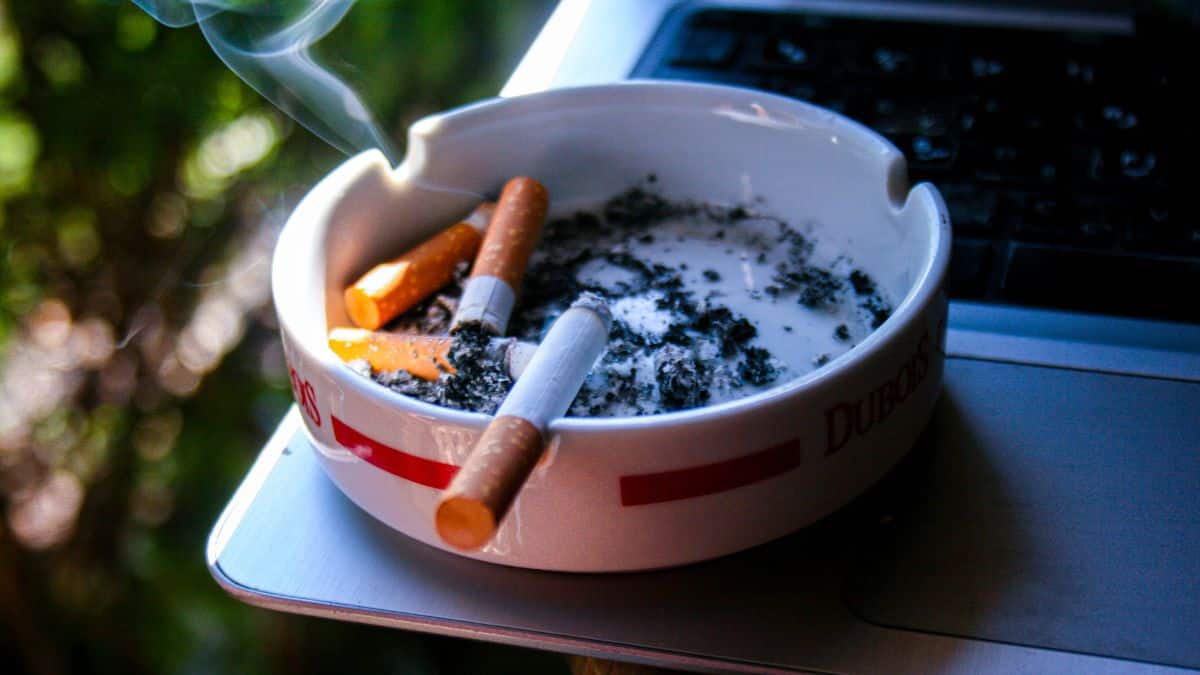
When someone stops smoking, the body begins repairing itself almost immediately.
Within 20 minutes, heart rate and blood pressure start moving toward normal.
After about 12 hours, the blood carries oxygen more effectively because carbon monoxide levels fall.
Over two to 12 weeks, circulation and lung function can begin to improve.
Tiny cleaners in the airways, called cilia, gradually become active again.
Some people cough more at first because the lungs are clearing mucus and debris.
After one to nine months, coughing and breathlessness often become less noticeable.
Quitting also lowers the chance of respiratory infections and future lung cancer.
Some damage may remain, especially if COPD or emphysema has developed, but quitting still helps at any age.

Heart rate and blood pressure begin moving toward normal within 20 minutes of quitting.
After 12 hours, falling carbon monoxide levels allow blood oxygen levels to improve.
Within two to 12 weeks, circulation and lung function begin recovering as cilia regain activity.
Between one and nine months, coughing and breathlessness typically decrease, while respiratory-infection risk begins to fall.
After 10 years, the risk of dying from lung cancer is about half that of someone who continues smoking.
- Who
- Pulmonologist Dr Sarath Chandra Bhrungi explains the effects of quitting smoking.
- What
- The article describes how lung and overall health begin recovering after a person stops smoking.
- Where
- When
- The recovery process begins within 20 minutes of the last cigarette and continues for years; the article discusses World Lung Day 2026.
- Why
- Stopping smoking reduces exposure to harmful chemicals, allows lung defenses and function to improve, and lowers long-term health risks.
Key facts
- Initial response
- Within 20 minutes, heart rate and blood pressure begin returning toward normal.
- Oxygen improvement
- By 12 hours, blood carbon monoxide levels fall and oxygen levels improve.
- Early lung recovery
- Within two to 12 weeks, circulation improves and lung function begins to recover.
- Cilia recovery
- As smoking effects decline, cilia regain activity and help clear mucus and debris.
- Symptom improvement
- Between one and nine months, coughing and breathlessness typically decrease.
- Lung cancer risk
- After 10 years, the risk of dying from lung cancer is about half that of someone who continues smoking.
- Limits of recovery
- Some structural damage may remain, particularly when COPD or emphysema has developed.
Quotes
Dr Sarath Chandra Bhrungi
Pulmonologist explaining lung recovery after smoking cessation
“Not all lung damage can be reversed. The extent of recovery depends on how long and how heavily a person has smoked, and whether conditions like COPD or emphysema have already developed.”
 firstpost.com
“Your lungs have a remarkable capacity to heal. It is never too late to quit smoking. No matter how long or how much you have smoked, the body begins to recover once the exposure stops.”
firstpost.com
Sources
Related news
How Long Do Lungs Take to Clear Cigarette Smoke?

Doctors Explain How Lungs Recover After Smoking And Pollution

Fitness Does Not Make Young People Immune to Lung Cancer
Nana Patekar Says Emotional Shock Helped End Smoking
H1N1 Usually Improves Within A Week, Cough May Linger

Prevention Could Reduce Patients and Healthcare Costs in India
Epidemiologist Warns Against Ignoring Shortness of Breath
Women Face Higher COPD Risk: Causes and Risks Explained