38 mins ago
Bengal Muslims Detained in Midnight Raids Over Citizenship Claims
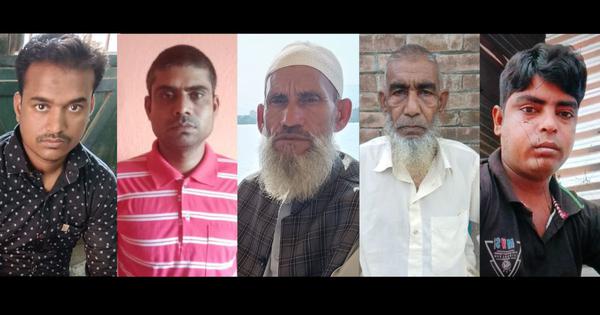
A report says police in West Bengal took several Muslim people from their homes at night.
The police suspected that some of them were citizens of Bangladesh instead of India.
Families say the people had documents showing connections to India.
They also say the police did not clearly explain the arrests or let the detainees challenge the accusations first.
Some detainees were sent to holding or detention centres.
In one case, the Border Security Force sent a man back to the police after he said he was Indian.
Police officials said they acted under government instructions.
Lawyers and rights groups say the detentions may violate people’s legal and constitutional rights.
Families are asking courts to locate relatives and review the detentions.

A Scroll investigation reports that at least nine Muslim men and two children were detained by West Bengal Police since June over allegations that they were Bangladeshi nationals.
Most detainees were reportedly taken from their homes at night without warrants, remand orders, or immediate explanations of the legal grounds.
Families and lawyers say detainees had Indian identity, land, electoral, or other documents and were not given a fair chance to prove citizenship.
Police officials said the detentions followed government guidelines or executive orders, while activists called them unlawful and opaque.
In one documented case, the Border Security Force returned Jalil Akhtar to police custody after he insisted he was Indian and refused deportation.
- Who
- At least nine Muslim men and two children, their families, West Bengal Police, lawyers, activists, and the Border Security Force.
- What
- Muslim residents were detained on allegations that they were Bangladeshi nationals; families and lawyers are challenging the detentions and the lack of clear legal process.
- Where
- The detentions were reported mainly in Murshidabad district, with additional cases in Uttar Dinajpur district, West Bengal, India.
- When
- The reported detentions occurred since June, with several incidents described as taking place in June and July; related court and police actions continued through August.
- Why
- Police said the action concerned suspected foreign nationals and followed government guidelines or an executive order; families and activists say the allegations lack adequate investigation and legal basis.
Families, Lawyers, and Rights Groups
Police and Government Position
Legality of detention
Families, Lawyers, and Rights Groups
Families, lawyers, and activists say taking people without arrest memos, warrants, prompt FIRs, or court production is unlawful and violates fundamental rights.
Police and Government Position
Police officials said the detentions were carried out under government instructions, guidelines, or an executive order, and one official said an FIR was not necessary.
Citizenship evidence
Families, Lawyers, and Rights Groups
Families say detainees had Indian documents, had voted or appeared in electoral records, and were not given a meaningful opportunity to prove citizenship.
Police and Government Position
Police alleged that the detainees were Bangladeshi nationals and said, in Ibrahim Sheikh’s case, that the family knew the people were Bangladeshi.
Treatment of Muslims
Families, Lawyers, and Rights Groups
Families and activists allege that Muslims were selectively targeted and that some officers expressed communal views favoring Hindu migrants.
Police and Government Position
The reported police statements focused on suspected nationality and government procedures; the articles do not report a detailed police response to the communal-bias allegations.
Key facts
- Reported detainees
- At least nine Muslim men and two children, according to the investigation.
- Main locations
- Most cases were reported in Murshidabad district; one was reported in Uttar Dinajpur district.
- Detention pattern
- Families said most people were taken from their homes during midnight raids.
- Documents cited by families
- Identity cards, voter records, land documents, passports, birth certificates, school records, and ration cards were among the documents cited.
- Jalil Akhtar case
- Police records said Akhtar was handed to the Border Security Force for deportation on July 4, but the force returned him to police custody after he insisted he was Indian.
- Court action
- Ibrahim Sheikh’s family filed a habeas corpus petition in the Calcutta High Court on August 25.
- Police position
- Officials said the detentions were conducted under government guidelines or an executive order and that an FIR was not required in at least one case.
Quotes
Abhijit Basu Mallick
Senior police official at Suti Police station
“This is not a police state. Detaining any person, treating them as a Bangladeshi, and pushing them back without any investigation is illegal.”
 scroll.in
“They don’t know the country’s law. The detention has been done as per the government's executive order. There is no need for an FIR.”
scroll.in
Sources
Related news
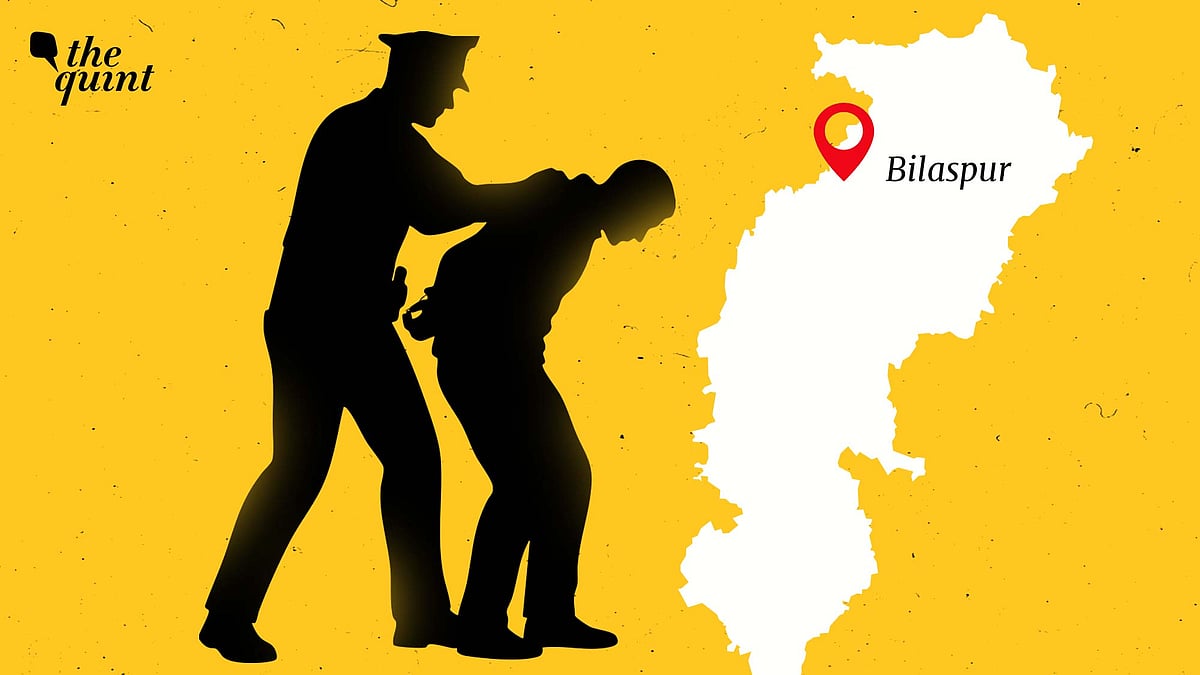
23 Workers Detained as Bangladeshis in Bilaspur, Families Seek Answers
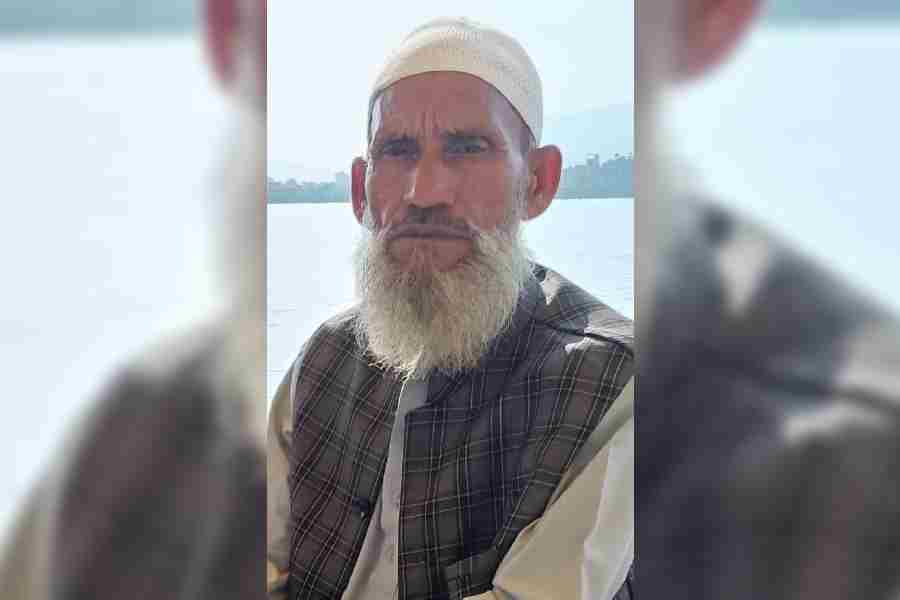
Indian Citizenship Dispute Leaves 66-Year-Old Man in Custody
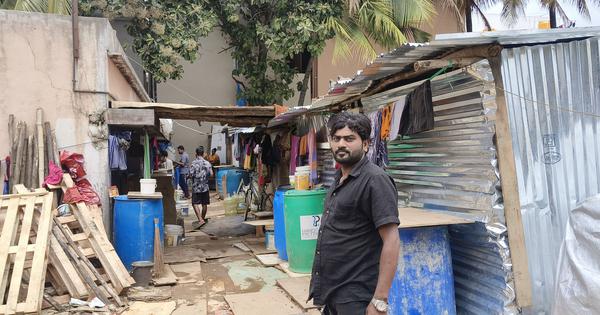
Karnataka migrant drive puts Bengali Muslims under citizenship scrutiny

Bangladeshi National Detained in Bengal, Sent to Detention Centre
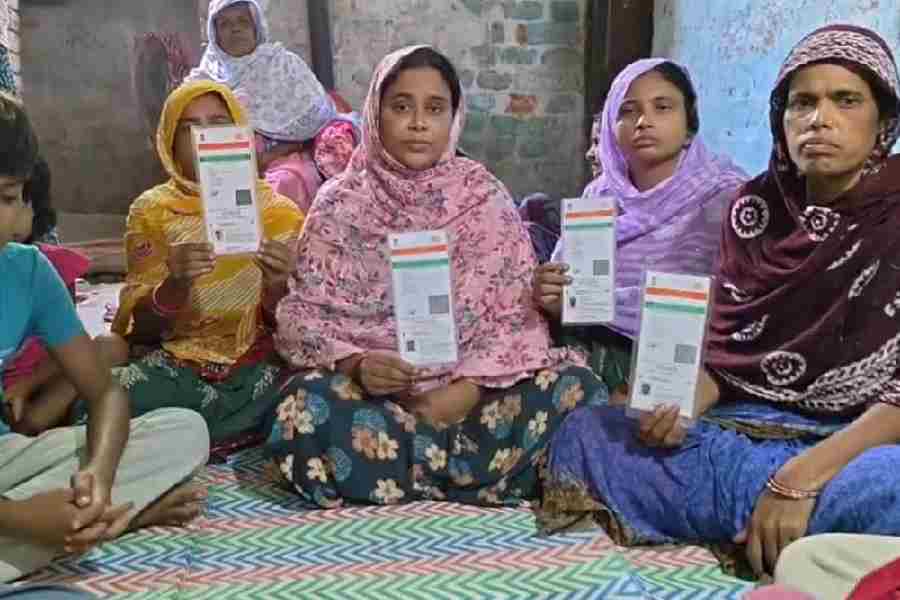
23 Murshidabad Workers Held in Chhattisgarh Over Citizenship Suspicion

Bangladeshi Suspect Escapes Police Custody in West Bengal

Textiles Seen as Key to India’s Mass Job Creation
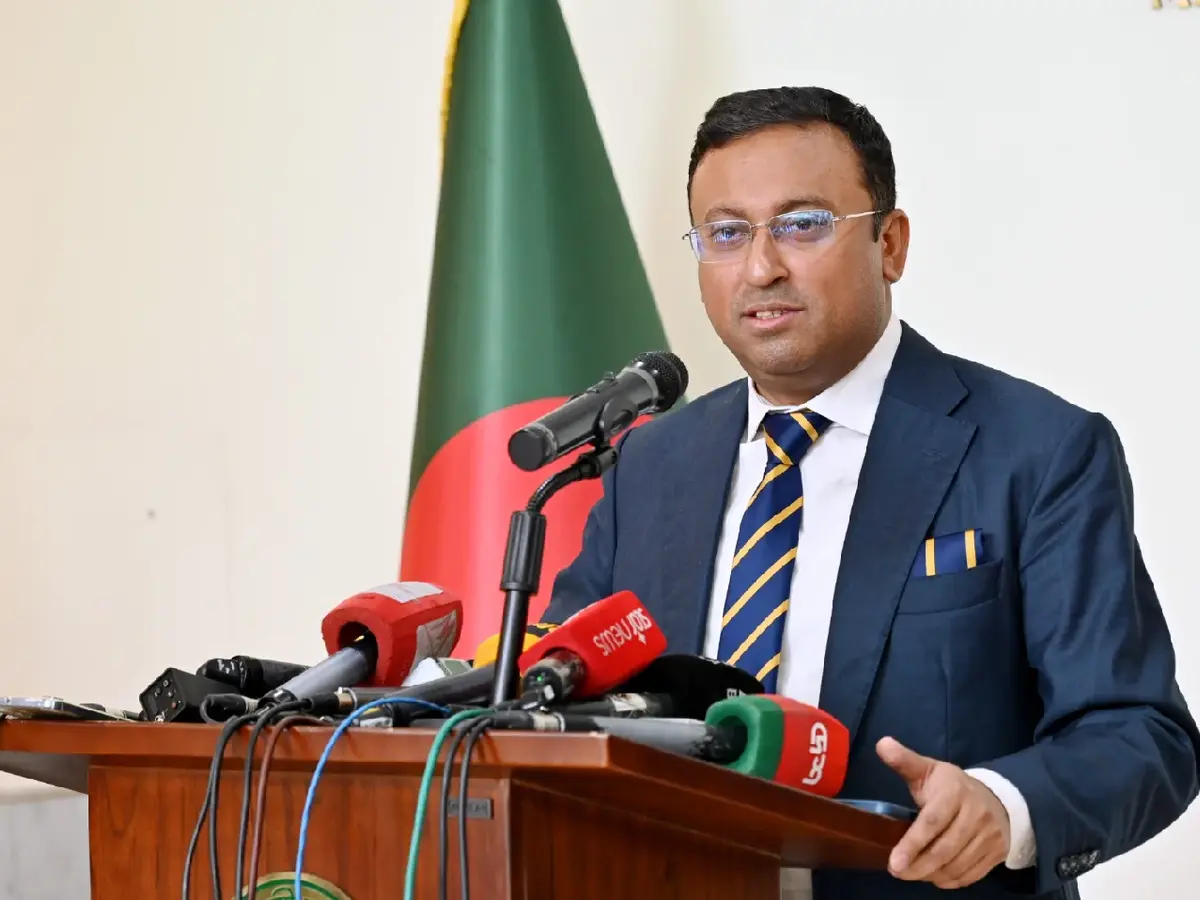
Bangladesh Seeks Reset of Bilateral Relations With India

India Reclaim Women’s Asia Cup Crown for Record Eighth Title
India Complete Unbeaten Run To Eighth Women’s Asia Cup Title