2 hrs ago
Israeli Public Condemns Jewish West Bank Rioters, Poll Finds

A poll asked Israelis what they thought about Jewish rioters in the West Bank.
About one-third called the rioters “Israeli terrorists.”
Another group called them “nationalist criminals.”
Only 5% said they supported the rioters.
The incident happened in the Palestinian village of Kusra.
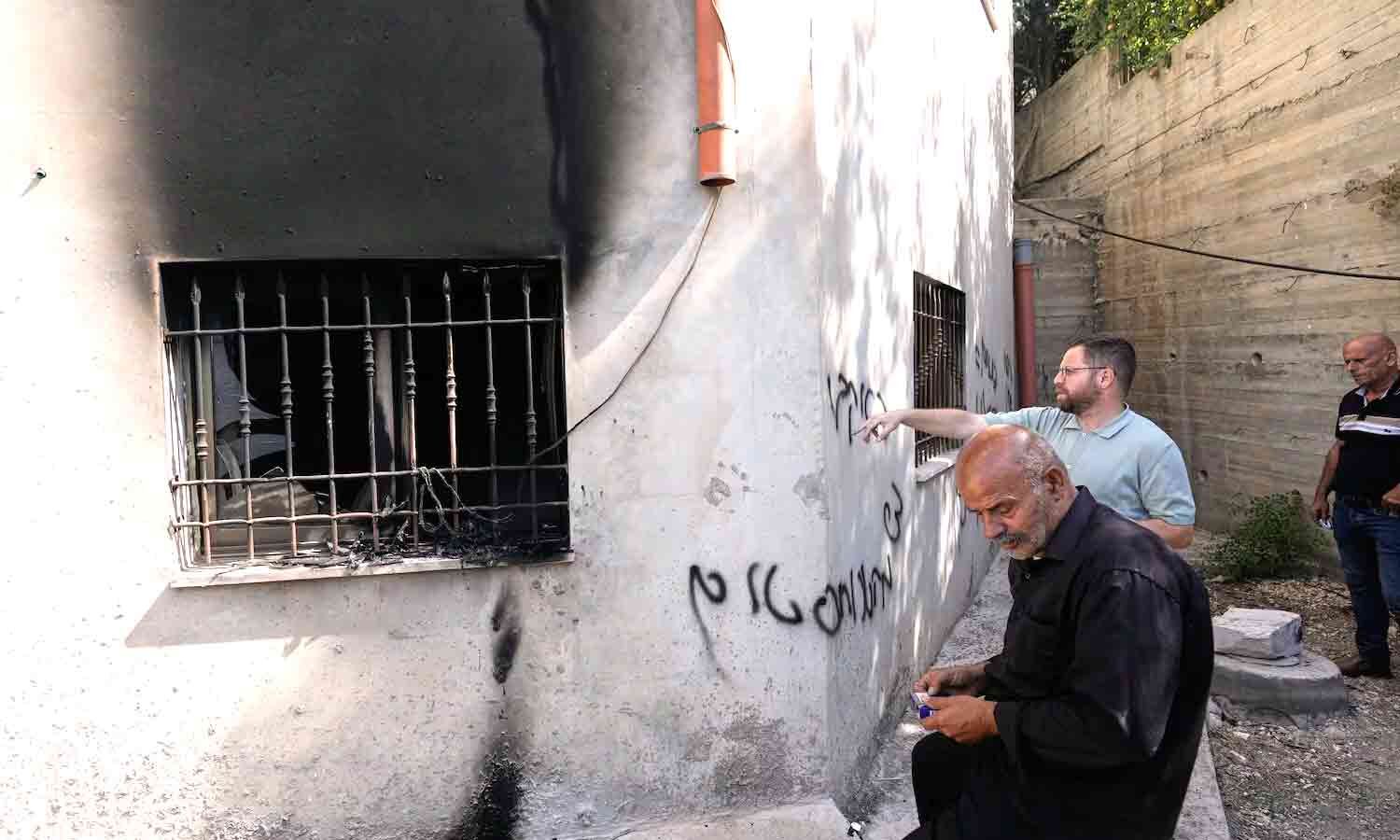
Masked Israelis reportedly threw stones and entered a Palestinian family’s home.
Several Palestinians were hurt, and the rioters left when security forces arrived.
Israel’s government is under pressure to take stronger action against this kind of violence.

About one-third of Israelis called Jewish rioters in Kusra “Israeli terrorists,” according to a Jewish People Policy Institute survey.
Another 18% described the rioters as “nationalist criminals,” while only 5% expressed support for them.
The survey found major political differences, with 63% of left-wing respondents and 3% of right-wing respondents using the term “Israeli terrorists.”
The Kusra incident reportedly involved masked Israelis throwing stones, entering a Palestinian home and wounding several Palestinians.
Prime Minister Benjamin Netanyahu faces international pressure to respond more strongly, while far-right coalition parties have shown varying sympathy toward settlers.
- Who
- Jewish rioters, Palestinian residents, Israeli respondents, Prime Minister Benjamin Netanyahu and U.S. Ambassador Mike Huckabee are central to the report.
- What
- A poll measured Israeli views of violence by Jewish rioters in Kusra, where Palestinians were reportedly attacked and wounded.
- Where
- Kusra, a Palestinian village in the West Bank.
- When
- The survey was released on Monday; the Kusra incident was described as recent, and Netanyahu ordered some outposts removed earlier this month.
- Why
- The incident has drawn attention because Israel faces pressure from the United States and European governments to address Jewish settler violence more forcefully.
Stronger condemnation and enforcement
Political constraints and differing views
How to describe the rioters
Stronger condemnation and enforcement
Many respondents, especially those on the left and Arab Israelis, described the rioters as terrorists or criminals.
Political constraints and differing views
Right-wing respondents were far less likely to use the term “Israeli terrorists,” with 3% choosing it.
Government response
Stronger condemnation and enforcement
The United States, European governments and critics of settler violence are pressing Israel to take stronger action.
Political constraints and differing views
Netanyahu faces political constraints because far-right coalition parties have expressed varying degrees of sympathy toward settlers involved in violence.
Public support
Stronger condemnation and enforcement
The survey indicates broad public condemnation, with more than half describing the rioters as terrorists or criminals.
Political constraints and differing views
A minority uses more lenient descriptions, and 13% called the rioters either young people who sometimes go too far or “the salt of the earth.”
Key facts
- Israeli terrorists
- About 33% of respondents used this description for the rioters.
- Nationalist criminals
- 18% of respondents selected this description.
- Support for rioters
- 5% of respondents supported the rioters.
- Political divide
- The “Israeli terrorists” label was chosen by 63% on the left, 49% in the center and 3% on the right.
- Jewish-Arab divide
- 55% of Arab Israelis and 27% of Jewish Israelis used the “Israeli terrorists” description.
- Kusra incident
- Several Palestinians were wounded; the rioters reportedly fled after security forces arrived, and no arrests were made.
- Survey organization
- The poll was released by the Jewish People Policy Institute.
Quotes
Yedidia Stern
President of the Jewish People Policy Institute, which conducted the survey
“The survey shows that support among Israelis for the Jewish rioters in the West Bank is truly negligible, at just 5%. More than half the public judges them very harshly, as terrorists or criminals, while others view them with varying degrees of severity. This represents an unusually broad consensus in Israel’s polarized society.”
 wionews.com
Sources
Related news
Netanyahu Condemns Settler Violence in West Bank Villages
Netanyahu Condemns Settler Attack as Qusra Residents Report Abuse
Huckabee Calls Violent Israeli Settlers Terrorists During West Bank Visit

Palestinian American raises US flag amid settler siege
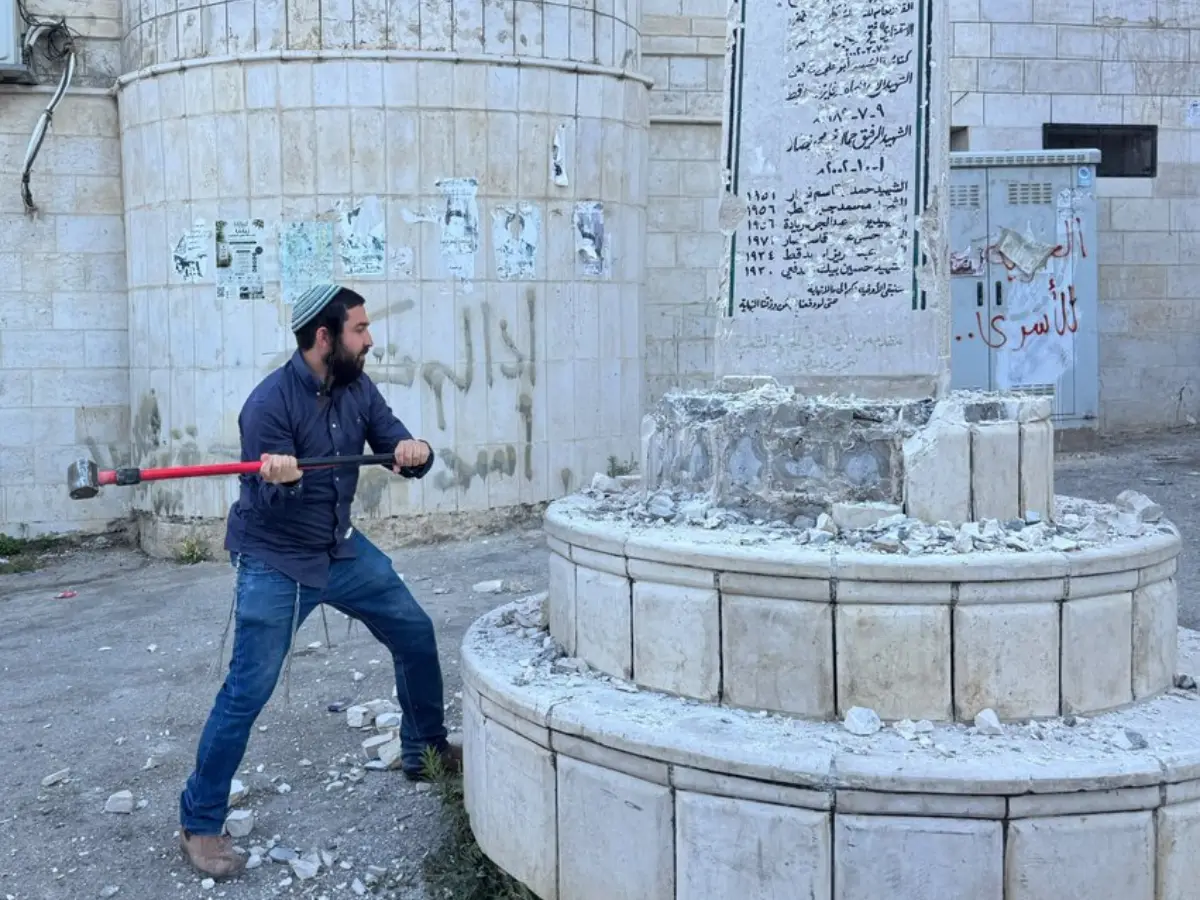
Israeli Far-Right Lawmaker Damages Palestinian Memorial in West Bank

Ed Sheeran’s Loop Tour loses four acts after Macklemore removal

Macklemore Removal Deepens Dispute Over Sheeran’s Loop Tour

BRICS Summit Builds Bridges Despite Deep Global Divisions
BRICS Condemns Israel as Pressure Mounts Over Gaza War