1 hr ago
RBI FX Swaps Open Cheaper Dollar Funding For Indian Firms

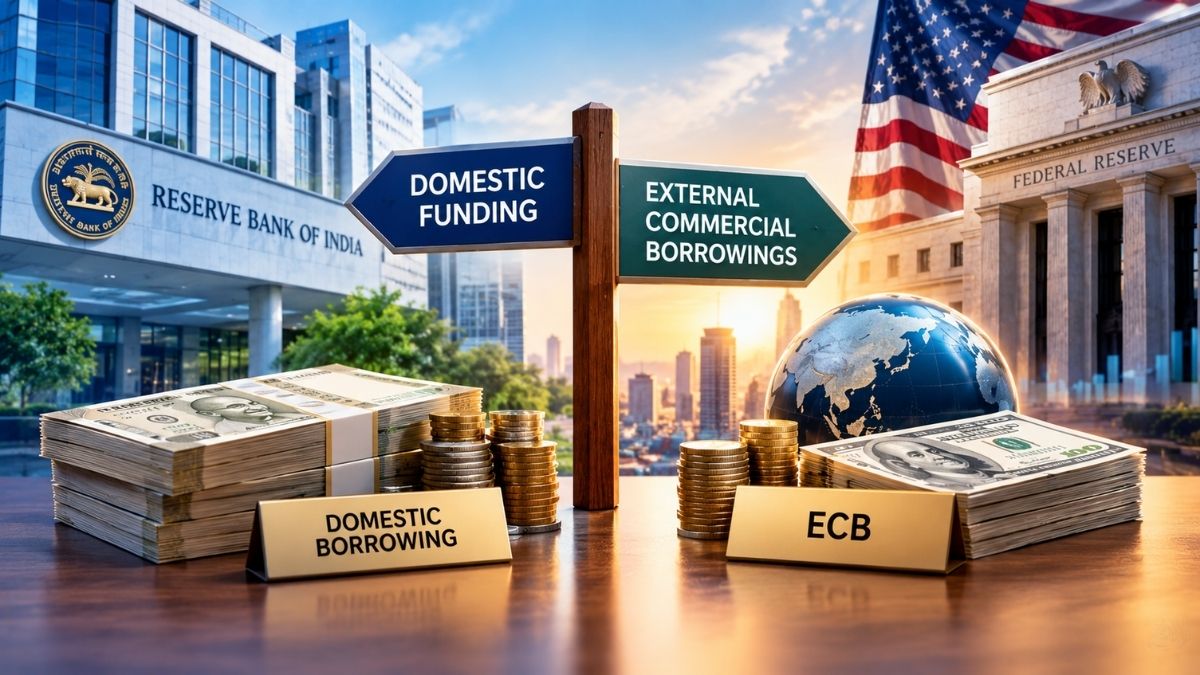
The Reserve Bank of India has been using swaps involving dollars and rupees to manage money in the banking system.
These transactions have pushed up the cost of trading rupees for dollars in the future.
This change can help some Indian companies borrow money in rupees and then use a swap to turn that borrowing into dollars.
For eligible companies, this may cost less than borrowing dollars directly from overseas markets.
Direct dollar borrowing has become more expensive because US government bond yields have risen.
Expectations of more Federal Reserve rate increases may add to those costs.
Banks are offering companies combined loan and currency-swap arrangements.
Companies usually want these arrangements for up to three years.
The final savings depend on the company’s credit rating and the borrowing rates available in India and abroad.

The Reserve Bank of India’s dollar-rupee swaps have increased FX forward premiums in India.
Higher forward premiums can make rupee borrowing combined with currency swaps cheaper than direct dollar borrowing.
Rising US Treasury yields and expectations of further Federal Reserve rate hikes are increasing direct dollar-funding costs.
Banks are offering structures combining rupee loans, commercial paper or non-convertible debentures with dollar-rupee swaps.
Implied rates for two-, three- and five-year rupee-dollar swaps have risen by 90 to 110 basis points.
- Who
- The Reserve Bank of India, Indian corporate borrowers and banks, including DBS Bank India.
- What
- RBI foreign-exchange swaps have changed funding economics, creating a potential lower-cost route for Indian firms to obtain dollar exposure.
- Where
- India, including domestic banking markets and GIFT City branches.
- When
- The report was published on October 1, 2026; swap pricing changes and recent bank structures are discussed in the report.
- Why
- Higher US dollar borrowing costs and increased FX forward premiums have made rupee borrowing combined with currency swaps potentially cheaper than direct overseas dollar borrowing.
Key facts
- Central bank
- Reserve Bank of India
- Swap maturities cited
- Two-, three- and five-year swaps
- Change in implied swap rates
- Up 90 to 110 basis points
- Typical corporate tenor
- Up to three years
- Eligible companies
- Firms meeting minimum net worth and risk-management requirements
- Alternative funding structure
- Rupee borrowing combined with a dollar-rupee cross-currency swap
- Key cost drivers
- US Treasury yields, Federal Reserve rate expectations, credit ratings and borrowing spreads
Quotes
Sameer Karyatt
Managing director and head of trading at DBS Bank India
“The extent of the cost advantage would depend on the customer’s credit rating and the relative borrowing spreads available in the domestic and overseas markets.”
 thehindubusinessline.com
“result in a lower all-in US dollar funding cost”
thehindubusinessline.com
Sources
Related news

RBI Conducts $10 Billion Forex Swaps to Drain Liquidity

RBI Forex Swap Attracts $136.4 Billion, Led by FCNR(B)

RBI drains $20 billion to manage India’s excess liquidity

RBI Forex Swap Facility Attracts $143.6 Billion Inflows

FCNR-B Inflows May Cost RBI ₹2 Lakh Crore
Fed Rate Hike May Push Indian Corporates Toward Domestic Loans

DBS Says India Stocks Look Expensive as Earnings Growth Lags

India’s FY27 Growth Seen Moderating Amid Inflation and Liquidity Risks
FCNR(B) Inflows Leave RBI Facing Liquidity and Redemption Risks

DBS Bank India expands DBS MAX for multi-gateway digital collections