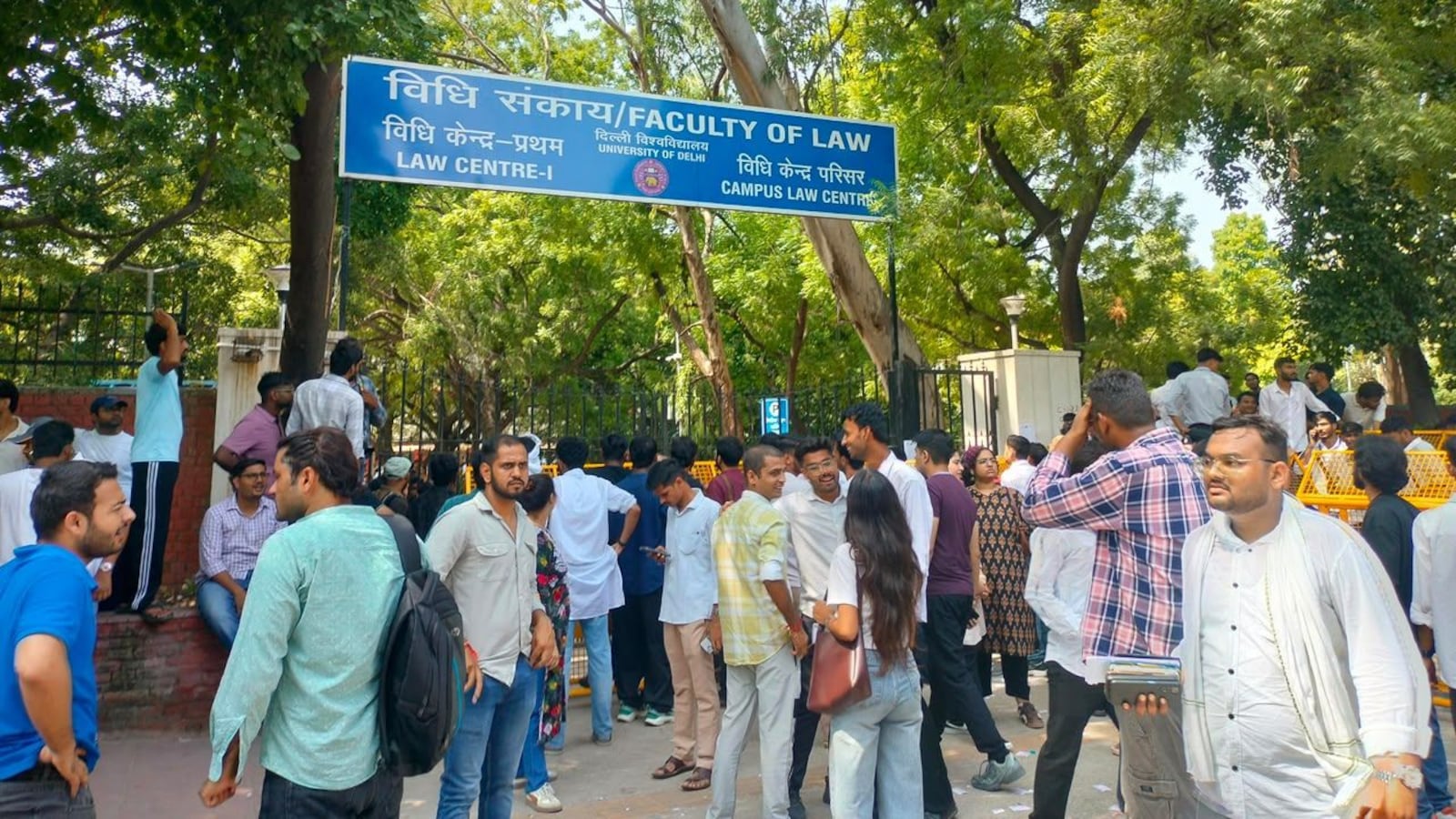
1 hr ago
DUSU Elections Evolve From Rs 150 Grant To Political Battleground
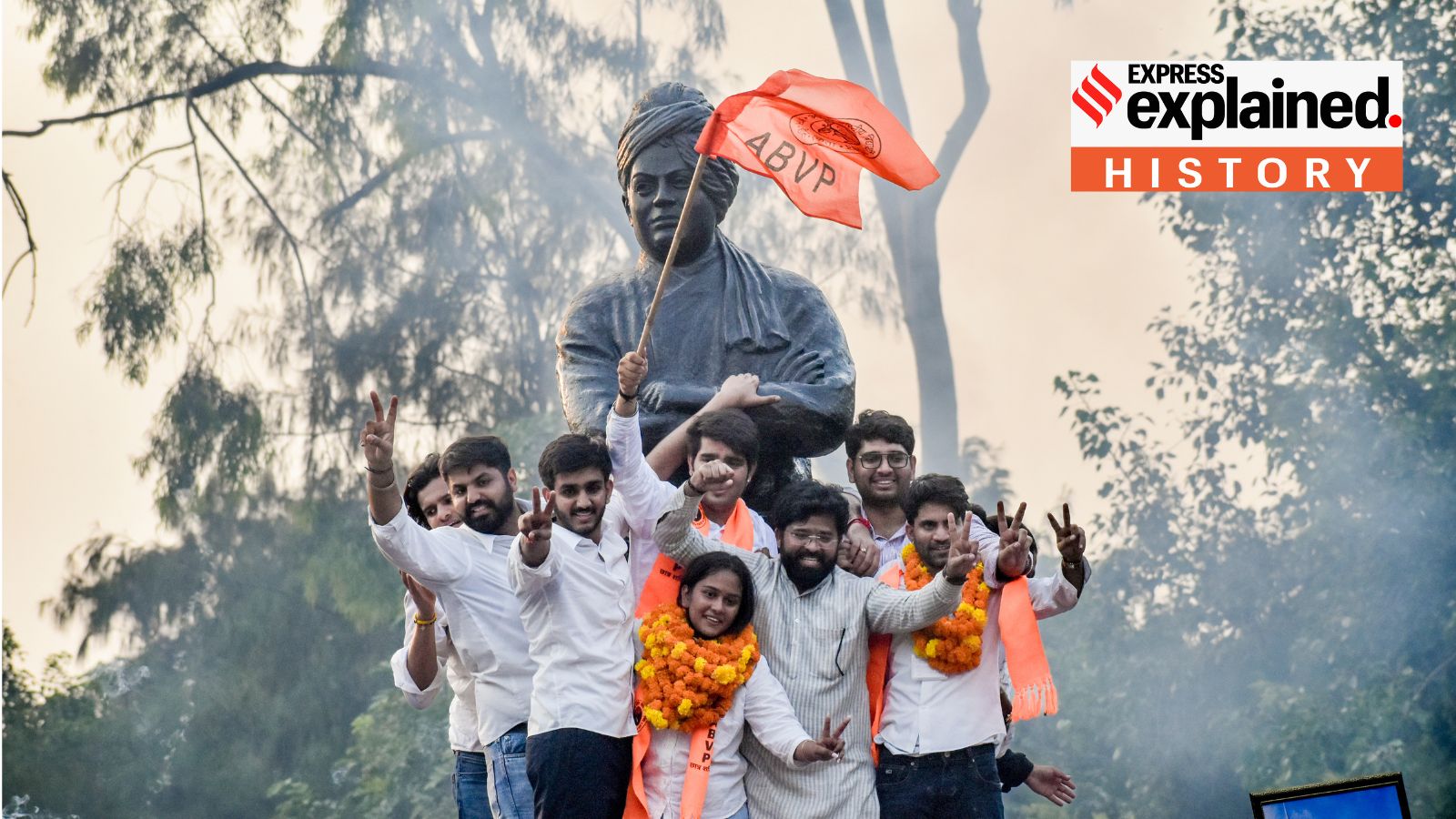
The Delhi University Students’ Union, or DUSU, started as a small student group.
Its first proposed funding was only Rs 150.
At first, students chose college representatives, who then chose the union’s leaders.
In 1973, students demanded and won the right to elect the main leaders directly.
Political student groups such as ABVP, NSUI and Left organisations then became more important in the elections.
DUSU elections were stopped in 1991 during protests over reservation policies.
They were also paused for four years during the Covid period.
When elections returned in 2023, candidates were accused of covering public places with illegal posters and graffiti.
Courts have since ordered stricter action against campaign violations, violence and victory processions.

The Delhi University Students’ Union began with a proposed Rs 150 grant in 1947 and was formally inaugurated in 1949.
The first official ballot was held in 1954, initially using an indirect system in which college councillors selected union leaders.
Direct elections began in 1973 after a 50-day student agitation, with ABVP candidates winning all four major posts.
DUSU elections were cancelled in 1991, and a four-year freeze during the Covid period ended when voting resumed in 2023.
Campaigning has repeatedly violated Lyngdoh Committee rules, prompting court action over spending, defacement, violence and processions.
- Who
- The Delhi University Students’ Union, its student voters, ABVP, NSUI and Left student organisations.
- What
- A history of DUSU’s development from a small student forum into a major arena for organised student and political competition.
- Where
- The University of Delhi, including its colleges, North Campus and areas around Chhatra Marg.
- When
- The union was proposed in 1947, inaugurated in 1949, first voted on in 1954, shifted to direct elections in 1973, and resumed elections in 2023 after a four-year Covid-era freeze.
- Why
- Student elections became more politically significant as organisations linked to national political movements used the campus for mobilisation, visibility and leadership development.
Campus welfare and regulation
Political mobilisation and competition
Purpose of student elections
Campus welfare and regulation
DUSU began mainly as an internal campus body focused on student welfare, library access and grievance redressal.
Political mobilisation and competition
As national political organisations entered campus politics, elections became contests involving ideological mobilisation, visibility and wider political networks.
Campaign rules
Campus welfare and regulation
The Supreme Court-backed Lyngdoh Committee framework limits spending and restricts posters, vehicles, loudspeakers and other campaign methods.
Political mobilisation and competition
The article describes repeated violations of these restrictions, including illegal posters, banners, graffiti, vehicle use and campaign-related misconduct.
Election activity and public order
Campus welfare and regulation
The Delhi High Court and law-enforcement authorities have pursued restoration, criminal or contempt proceedings and bans on post-poll processions to address defacement and violence.
Political mobilisation and competition
Student organisations and candidates have continued highly competitive campaigns, with rivalry sometimes leading to clashes and complaints by multiple sides.
Key facts
- Initial grant
- Rs 150 was proposed in 1947 to cover the initial expenses of a students’ union.
- Formal inauguration
- Prime Minister Jawaharlal Nehru inaugurated DUSU on April 9, 1949.
- First official ballot
- The first official DUSU election was held in 1954 under an indirect voting system.
- Direct elections
- Direct elections for president, vice-president, secretary and joint-secretary began in 1973.
- Campaign spending limit
- The Lyngdoh Committee recommended a maximum campaign spending limit of Rs 5,000 per candidate.
- Election cancellation
- DUSU elections were cancelled in 1991 amid protests against implementation of the Mandal Commission recommendations.
- 2026 campaign enforcement
- The article reports 998 challans and 47 impounded vehicles during the run-up to the 2026 elections.
Sources
Related news
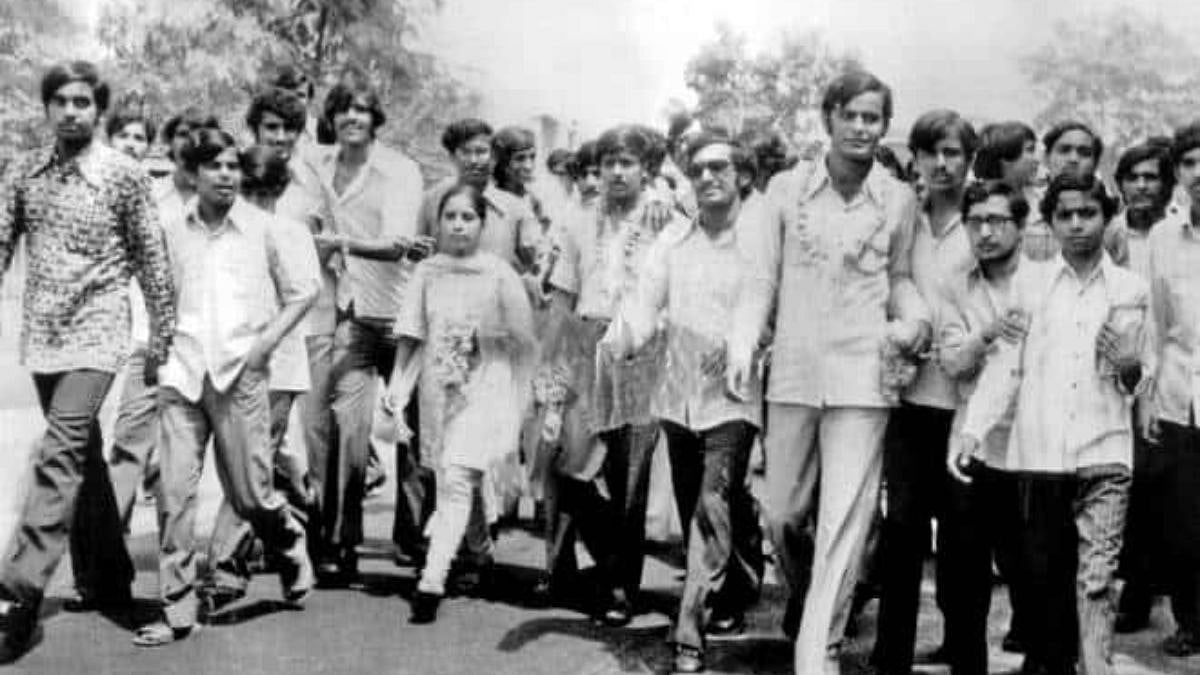
DUSU’s Journey From 1947 Student Proposal to Political Force
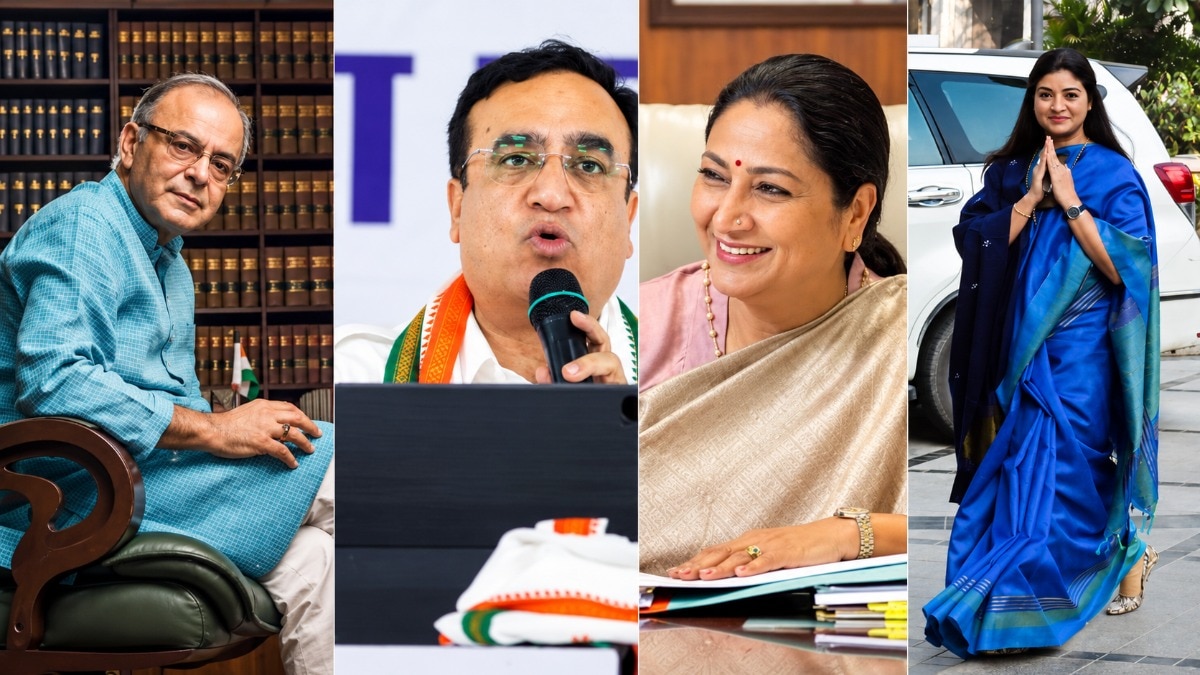
DUSU Leaders Who Later Shaped India’s Political Landscape

DUSU Polls Report Nearly 40% Turnout, ABVP, NSUI Contest

DUSU 2026 Counting Begins in ABVP-NSUI Contest Amid Court Ban

Delhi University Students Vote in DUSU Elections Amid Assault Report
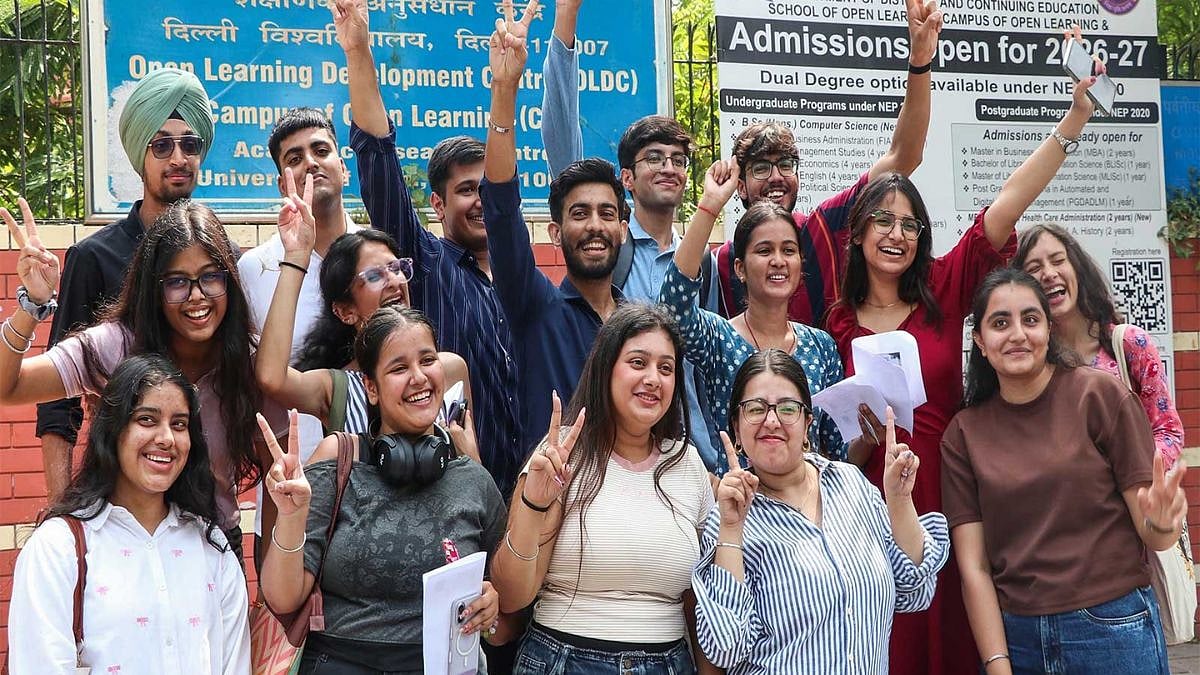
DUSU Election 2026 Counting Begins as ABVP Leads Key Posts
ABVP Wins Three DUSU Posts as NSUI Loses Ground

NSUI Takes Presidential Lead as DUSU Counting Continues