

3 weeks ago
Jharkhand Students Face Tear Gas as Reels Shape Protest Attention
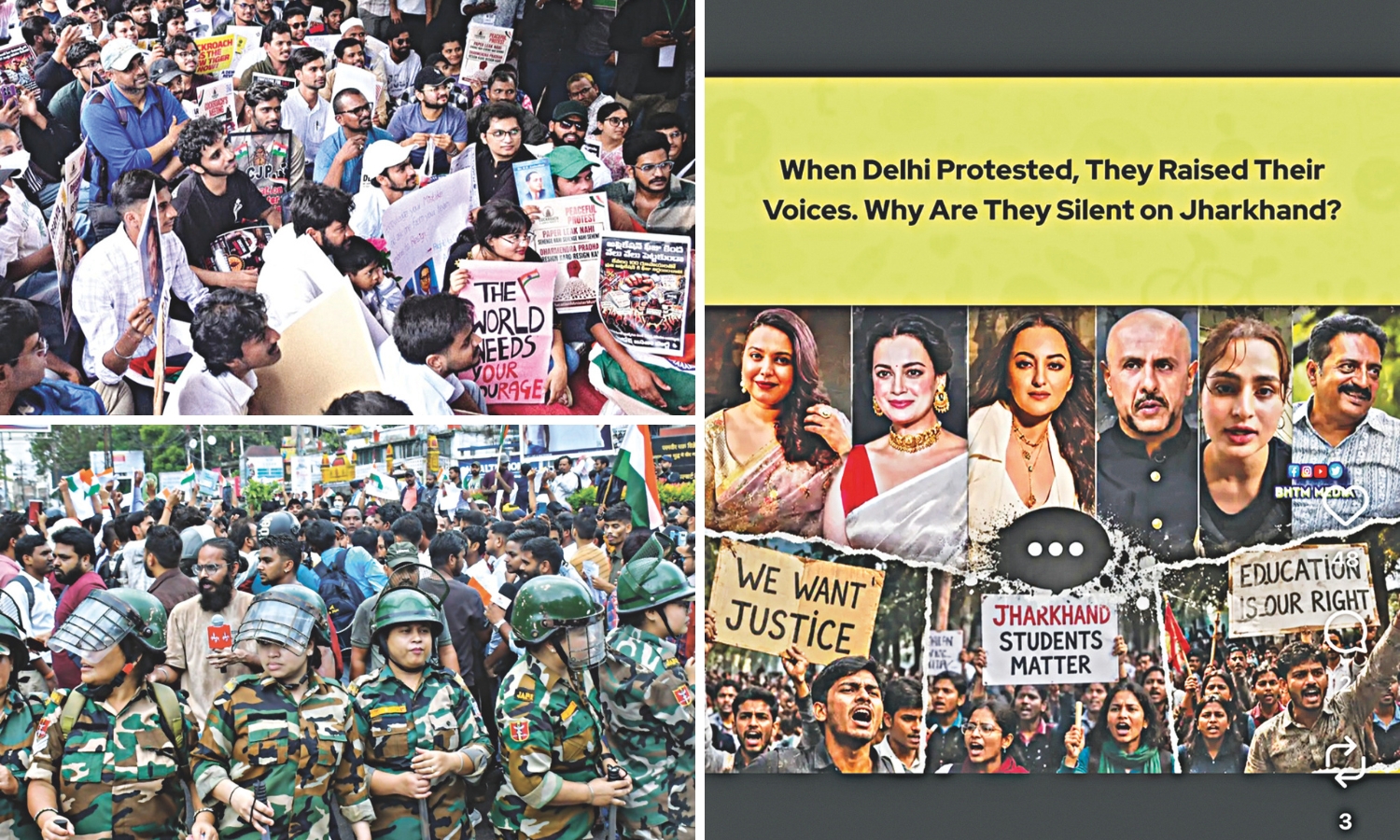
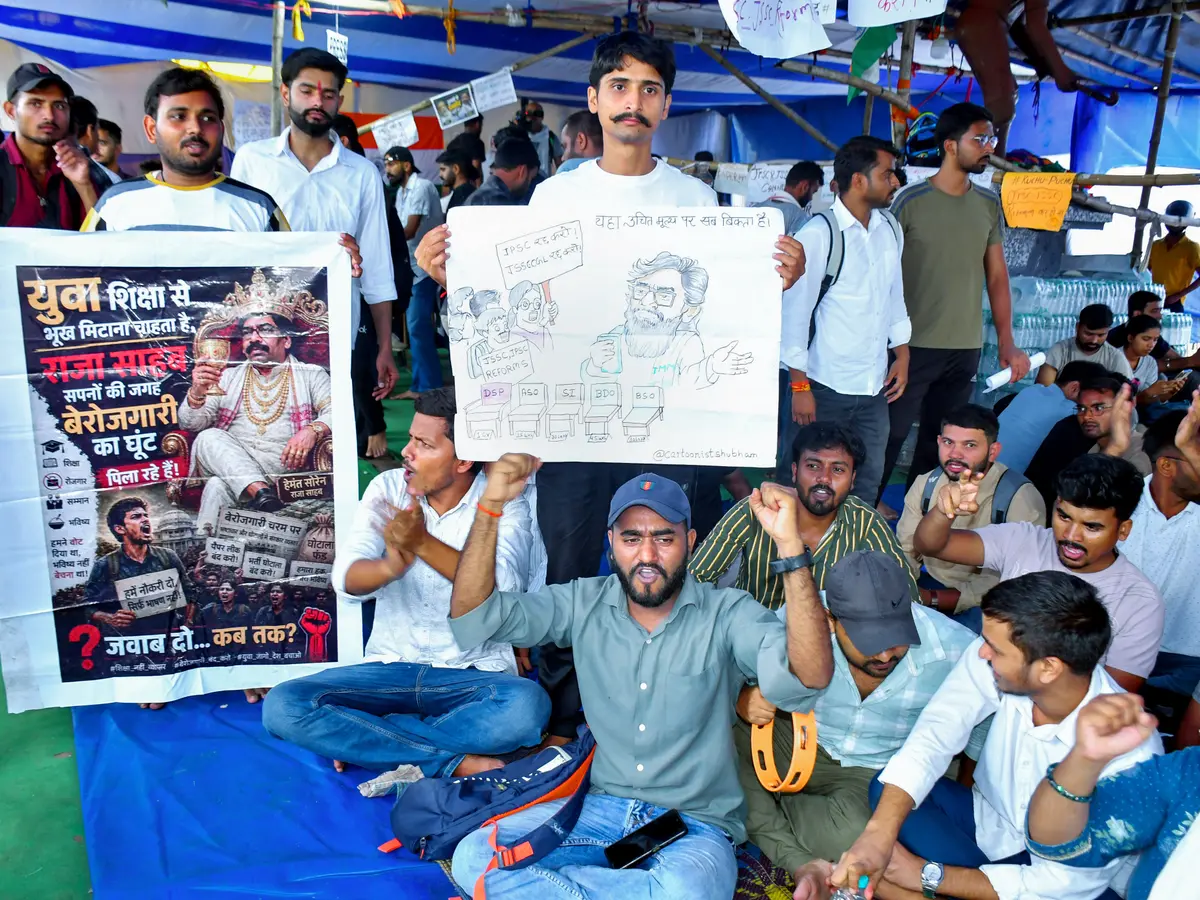
Many students in a place called Jharkhand went out into the hot sun to protest for hours.
They are angry because they studied for years for exams and jobs, but they do not trust the system that decides their future.
The police used water cannons, tear gas, and sticks (called lathi-charge) to stop them from reaching the State Assembly.
Around the same time, another protest about leaking exam papers became very famous on social media.
Millions of students could relate to it, and influencers and celebrities talked about it online.
Experts say social media is not neutral — it shows people what they want to see.
Some people think this makes activism selective, meaning only some protests get attention.
Protests that happen in big cities like the capital get noticed more than protests in places like Jharkhand.
This story asks us to think about who gets heard and how attention works in the digital age.

Thousands of students in Jharkhand protested for hours in the heat over exam and job irregularities.
Police used water cannons, tear gas shells, and lathi charges as protesters tried to breach barricades and reach the State Assembly.
A student protester said they refuse to let their future be decided by a system they cannot trust.
The CJP protest over NEET exam paper leaks gained far more online traction than the Jharkhand protests.
Commentators argue social media activism has become selective, driven by algorithms, relatability, and influencer amplification.
- Who
- Thousands of student job aspirants in Jharkhand, the Jharkhand police, and commentators Arpit Sharma and Manthan Gattani.
- What
- A student protest over exam and job irregularities met with water cannons, tear gas, and lathi charges, alongside a debate over why the CJP protest about NEET paper leaks went viral while Jharkhand's did not.
- Where
- Jharkhand, India; protesters marched toward the State Assembly.
- When
- Not specified in the articles.
- Why
- Students said they spent years preparing for exams and jobs and refuse to let their future be decided by a system they cannot trust.
Digital Amplification
Selective Activism
Social media and protest visibility
Digital Amplification
Digital platforms can mobilise people on a massive scale, and online narratives drove significant on-ground participation at the CJP protest.
Selective Activism
Social media activism is 'selective': algorithms and audience bias decide which protests get attention, sidelining legitimate movements like the one in Jharkhand.
Influencer and celebrity involvement
Digital Amplification
Micro-influencers speak the same language as ordinary audiences, and celebrity participation acts as a 'stamp — verified & approved' that boosts a protest's visibility.
Selective Activism
Very few people are genuinely concerned about a cause; many are just doing 'selective activism' or joining out of herd mentality.
Gen Z participation
Digital Amplification
Gen Z is fearless and always online, bringing energy and speed to movements.
Selective Activism
Gen Z often lacks deep understanding because their source of knowledge is Instagram reels, so speed and visibility can come at the cost of nuance.
Key facts
- Location
- Jharkhand, India
- Protesters
- Thousands of student job aspirants
- Police response
- Water cannons, tear gas shells, lathi charges
- Protest target
- State Assembly
- Core grievance
- Exam and job irregularities; distrust in the system
- CJP protest focus
- Hunger strike over NEET exam paper leaks
- Key commentators
- Arpit Sharma (political content creator) and Manthan Gattani (teacher and content creator)
- Central observation
- Social media activism has become 'selective' and algorithm-driven
Quotes
Teacher and content creator Manthan Gattani
Educator and content creator commenting on algorithmic influence
“For many people Instagram has become the source of news and algorithms show you what part of the narrative you want to see.”
 deccanchronicle.com
“A protest becomes ‘digitally legible’ if it’s instantly recognisable, easy to understand, and simple to replicate online.”
deccanchronicle.com
Sources
Related news

Gen Z Sees Delhi, Jharkhand Protests Through A Different Lens
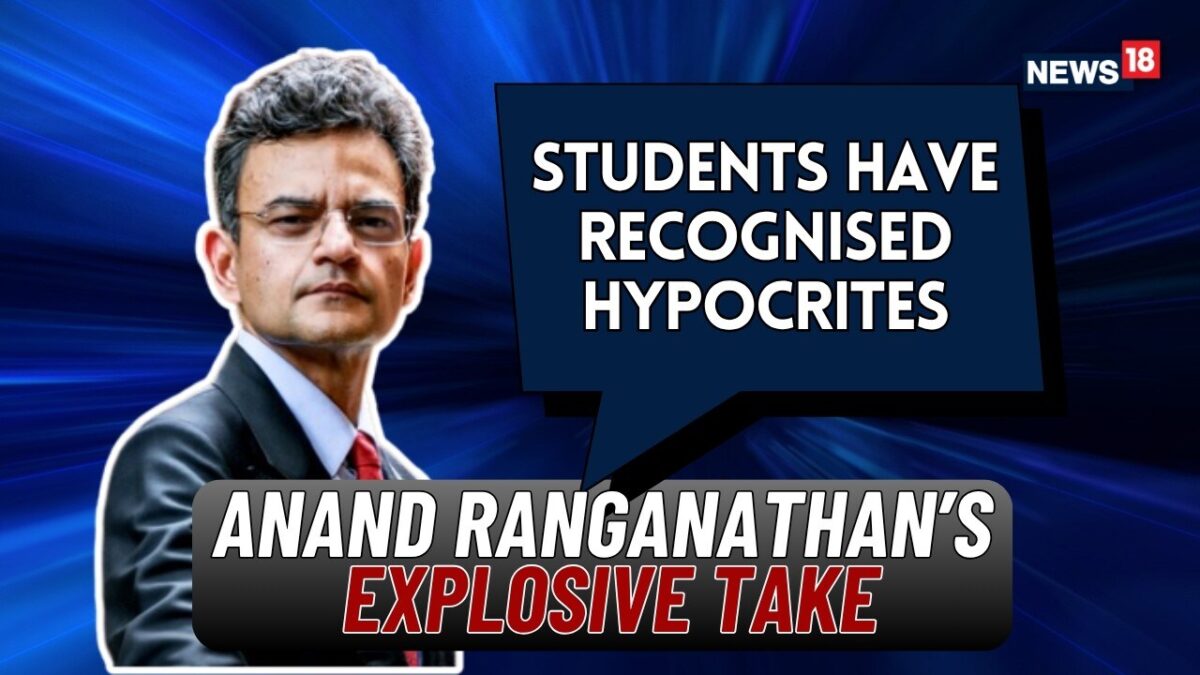
Ranganathan Says Jharkhand Students Saw Through Jantar Mantar Hypocrisy
Reels vs Results: Political messaging won't win over young voters
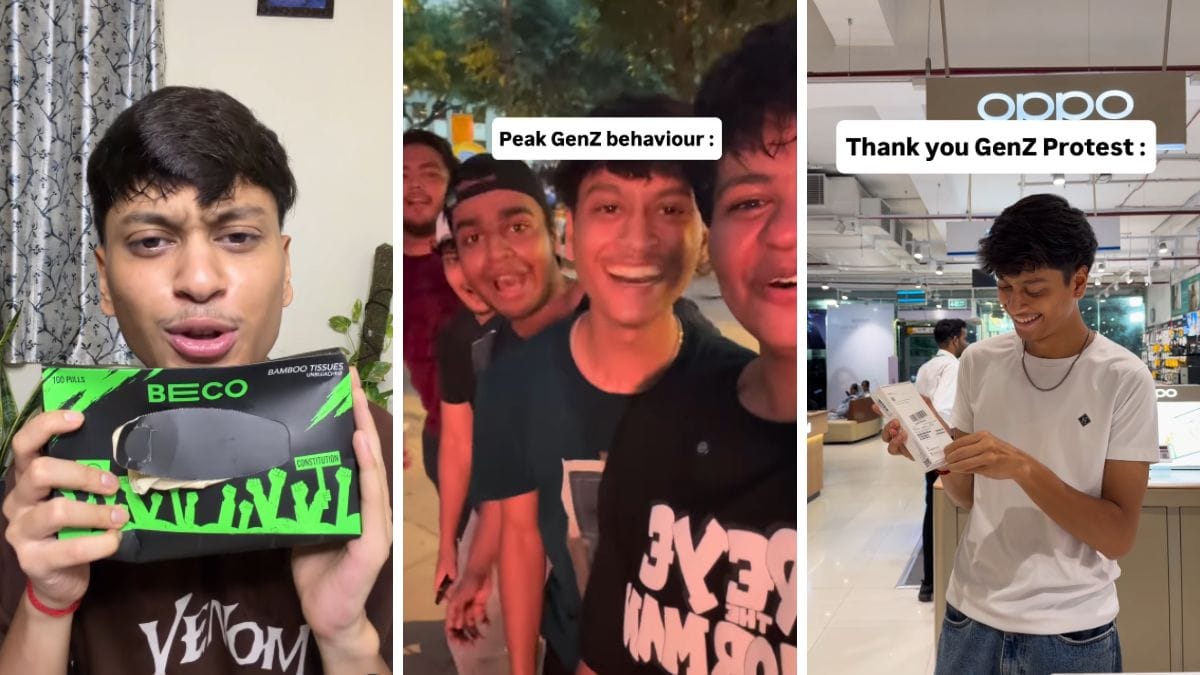
Abhinav Bisht, CJP Protest Star, Turns Viral Reel Into Career
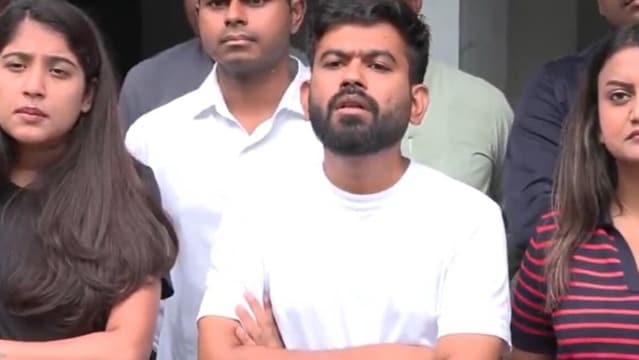
CJP's Abhijeet Dipke Backs Jharkhand Aspirants Amid Hypocrisy Claims
Vice-President Radhakrishnan Defends Public Examinations Bill To Curb Unfair Means
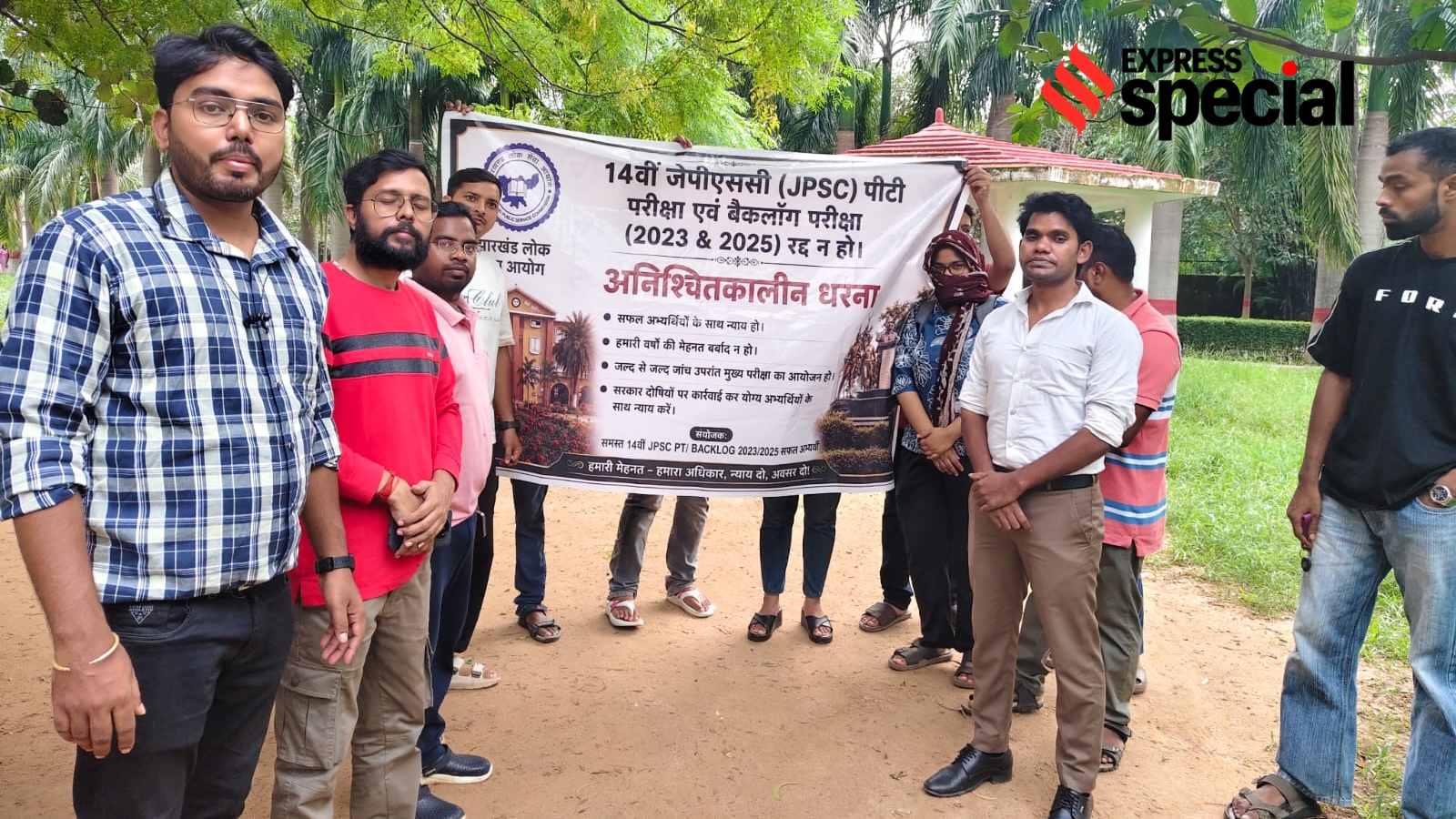
Jharkhand exam cancellation devastates candidates who cleared prelims
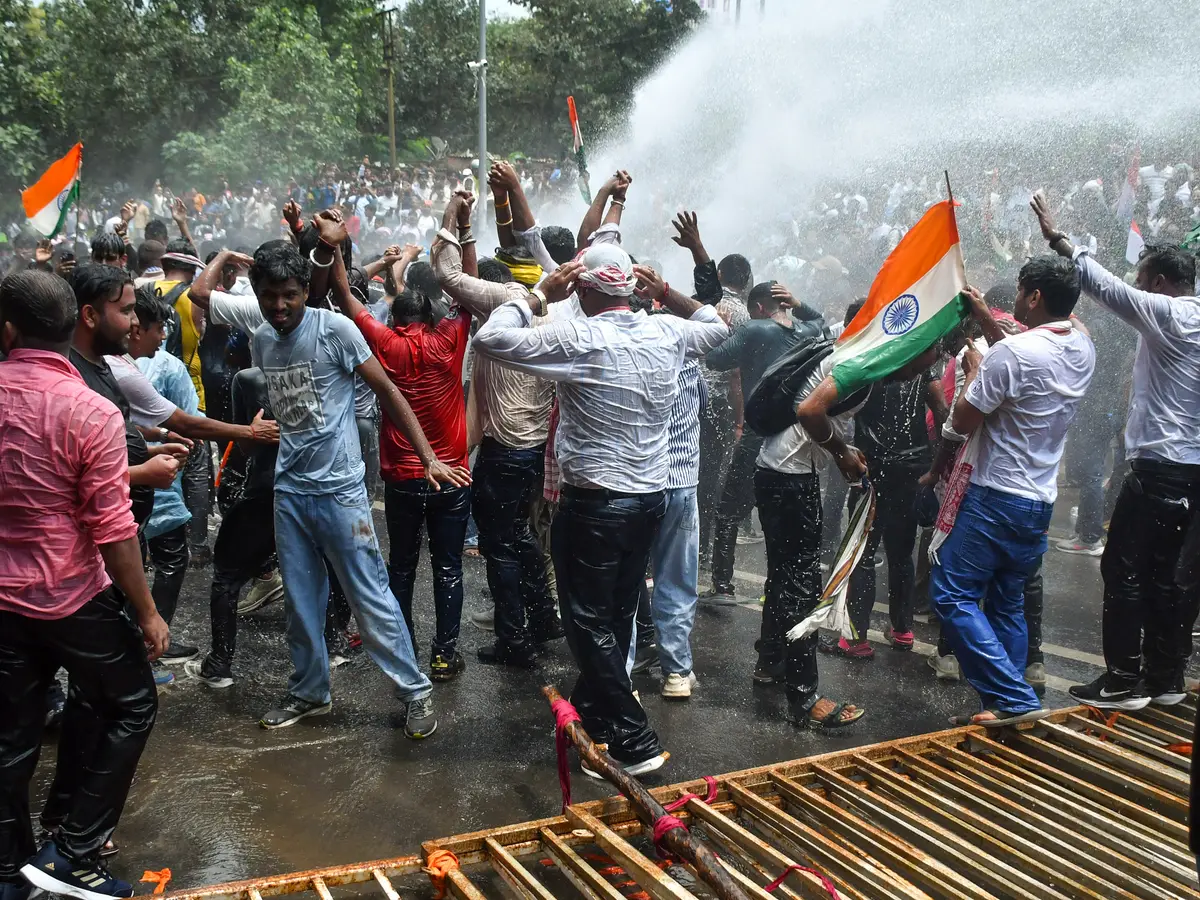
Jharkhand police file FIR against 600 protesters over Assembly march

Jharkhand Student Leader Devendra Mahto Seeks to Leave Hospital

LoP Babulal Marandi urges removal of barricades around CM residence
